


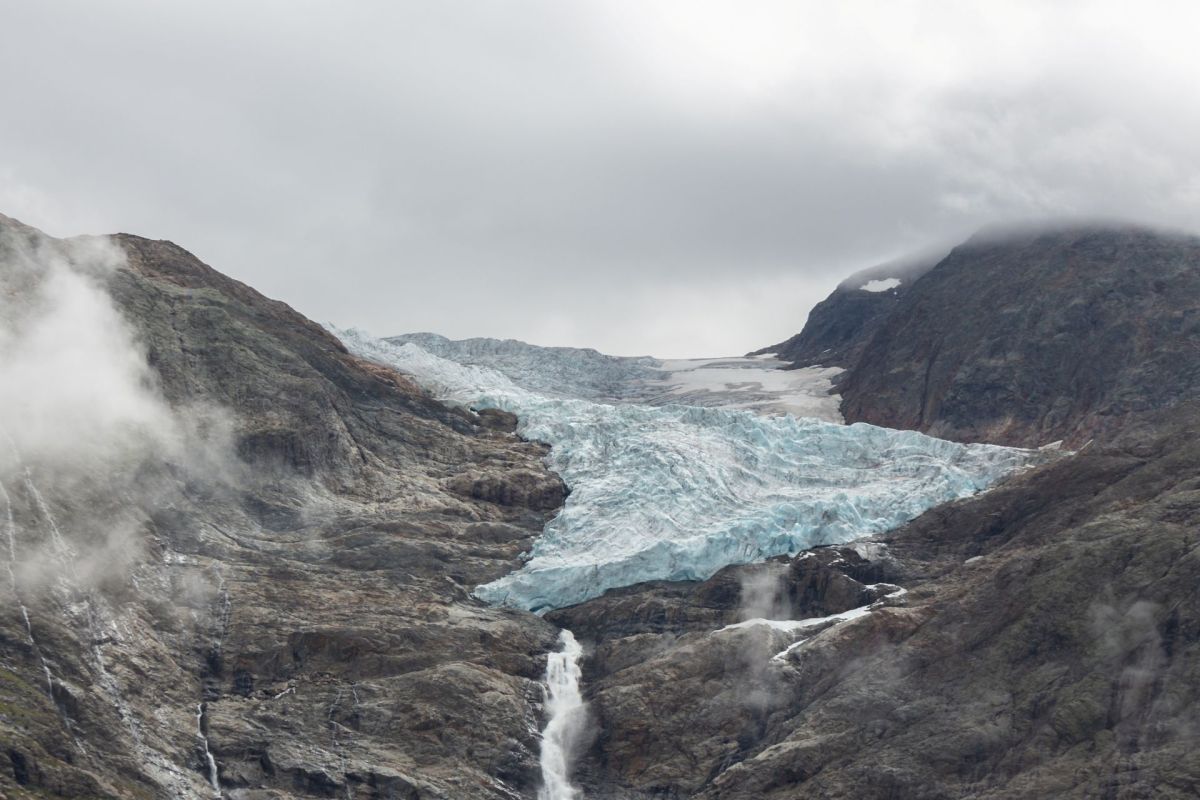
One of the largest glaciers in European history is shrinking at a rapid pace, researchers say, providing an ominous glimpse into ice melt across the continent.
What's happening?
A new report from glacier-monitoring organization GLAMOS has shown that Switzerland's glaciers lost 3% of their ice mass this year, Reuters reported, the fourth-largest shrinkage in recorded history.
To highlight just how much the ice has retreated, researchers pointed to the Rhone Glacier. Europe's largest glacier during the Ice Age, the Rhone Glacier lost nearly 1.5 meters in thickness during this hydrological year, which runs from October through September.
Previous research indicated the glacier has lost about 60% of its volume since 1850.
"This is really a lot," GLAMOS director Matthias Huss told Reuters.
Why is melting ice concerning?
Although Rhone Glacier is one of the most prominent in Switzerland, it is far from the only one melting away.
TCD Picks » Quince Spotlight
💡These best-sellers from Quince deliver affordable, sustainable luxury for all




In the past decade, the country has lost about 25% of its glacier volume, GLAMOS said. And between 2016 and 2022, about 100 glaciers disappeared.
This year's loss was largely attributed to heatwaves and low snowfall — two conditions that are a direct result of heat-trapping pollution being pumped into our atmosphere.
That pollution causes global temperatures to rise, which also causes extreme weather conditions, such as heatwaves, to happen with more frequency and severity.
As all of that causes glaciers to melt worldwide, that influx of water also causes sea levels to rise. Last year, ocean levels rose on average by nearly a quarter-inch, and the rate at which oceans are rising has many experts worried about the future of coastal communities.
|
Should the government provide incentives to buy EVs?
Click your choice to see results and speak your mind. |
 Absolutely 💯
 What's being done about melting glaciers?
We all can take actions to reduce our carbon footprint and help keep the planet from further warming. Steps like using less plastic, eating more plant-based food, and installing solar panels all promote a cleaner, healthier planet.
Unfortunately, researchers said, that may not be enough to keep more glaciers from disappearing.
"Unfortunately, there is not much we can do to save the glaciers," Huss told Reuters. "They will continue retreating anyway, even if the climate is stabilized today."

Join our free newsletter for good news and useful tips, and don't miss this cool list of easy ways to help yourself while helping the planet.







