


Concerns about a so-called "super El Niño" escalated after the National Oceanic and Atmospheric Administration issued an early forecast in March, Euronews reported.
What's happening?
NOAA and the National Weather Service issued a preliminary El Niño/Southern Oscillation update for late spring and early summer.
As Euronews noted, forecasts can be less reliable earlier in the year. However, the March 12 projection placed the likelihood of El Niño this year at 62%.
Citing a "large amount of heat in the subsurface ocean and the expected weakening of the low-level trade winds," NOAA and the NWS Climate Prediction Center estimated a 1 in 3 chance of a "strong" El Niño from October to December.
The bulletin acknowledged the forecast remained "very uncertain."
In the interim, the agencies anticipated a transition to ENSO neutral — the phase between La Niña and El Niño — expecting it to persist from May through July.
Why is this concerning?
Notably, neither the NWS nor NOAA used the word "super" to describe El Niño, but the term became a staple in news coverage of the long-range forecast.
El Niño and La Niña are dueling climate patterns: the former is its warm phase, and the latter is its cool phase, according to NOAA.
The University of Virginia's UVA Today spoke with associate professor of environmental science Kevin Grise to better understand what a super El Niño might look like.
"This recent behavior has perplexed atmospheric scientists and oceanographers, and it is currently the focus of a lot of research in the field," Grise said, describing recent strong El Niño events as well as "long-lived" La Niñas since about 2000.
TCD Picks » Quince Spotlight
💡These best-sellers from Quince deliver affordable, sustainable luxury for all




|
Which of these savings plans for rooftop solar panels would be most appealing for you?
Click your choice to see results and earn rewards to spend on home upgrades. |
 Save $1,000 this year 💸
 In 2024, a study published in the journal Nature found that if pollution was not reduced and rising temperatures were not curbed, 1 in 2 El Niño events could be "strong" or "super" by the year 2050.
El Niño's warming effect on sea surface temperatures, coupled with higher average temperatures, increases atmospheric evaporation, supercharging various weather patterns.
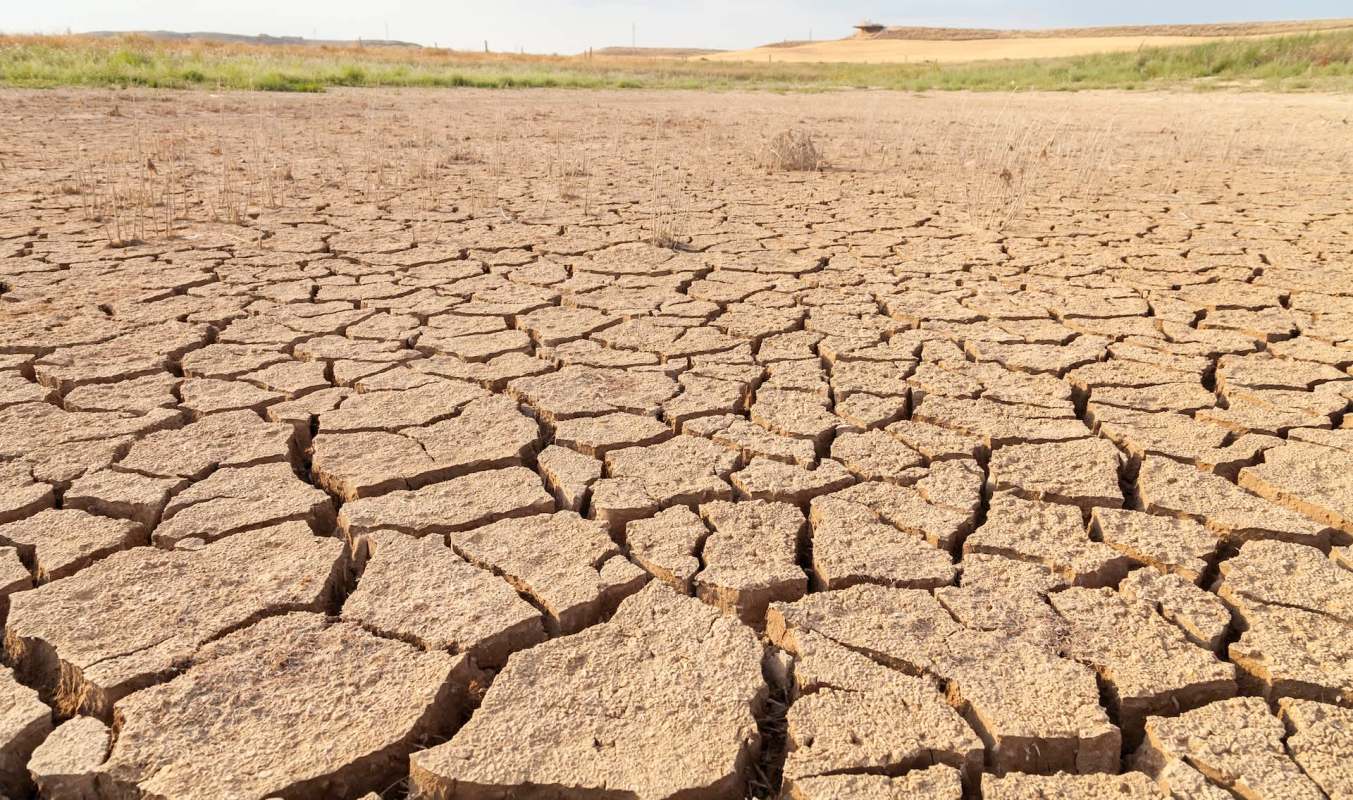
In North and South America, El Niño can bring heavy rain and flooding, whereas drought and wildfires plague the Southern Hemisphere.
As the California Coastal Commission explains, while El Niño and La Niña are both "part of a natural climatological cycle," the systems are known to exacerbate extreme weather events.
Extreme weather is a multifaceted, worldwide problem affected by human activity, with impacts on everything from crop yields to the housing market.
As the planet overheats, extreme weather becomes costlier and deadlier each year, jeopardizing lives and livelihoods with its increasingly volatile and violent nature.
What's being done about it?
El Niño and La Niña are part of Earth's natural rhythms, but extreme weather isn't.
Understanding key environmental issues, such as the causes and impacts of extreme weather, is important, and demanding that lawmakers take action on rising temperatures is also crucial, as change must be effected at scale to turn the tide from a future of higher average temperatures and more frequent extreme weather events.

Get TCD's free newsletters for easy tips to save more, waste less, and make smarter choices — and earn up to $5,000 toward clean upgrades in TCD's exclusive Rewards Club.
Cool Picks




