


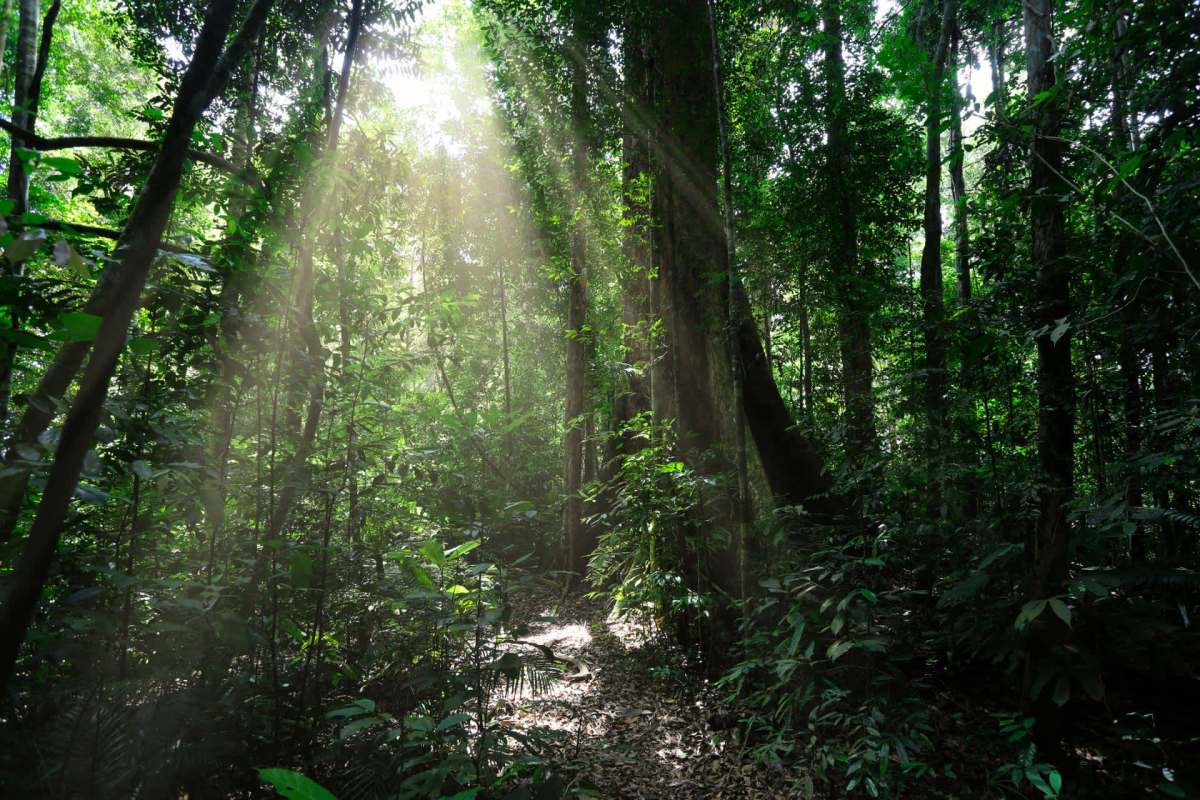
Hidden camera traps in Indonesia have picked up a heartening glimpse of one of the world's most elusive big cats.
As the Daily Express reported, a sighting of the critically endangered Sumatran tiger occurred in the Batutegi Protection Forest in Lampung, Sumatra. The images were the product of a multiagency effort between conservation groups and local officials.
Richard Moore of the Yayasan Inisiasi Alam Rehabilitasi Indonesia said: "It reminds us that hope remains, and with the right mix of technology, partnerships, and community-based conservation, there is still time to safeguard their future."
Tigers are already seldom seen in the wild, but the Sumatran tiger is one of the rarest big cats of all. According to National Geographic, they are the smallest subspecies of tiger and can be recognized by their darker orange coat and distinctive stripe pattern. The Sumatran is Indonesia's last surviving tiger species, as the Java and Balinese tigers are now extinct. The International Tiger Project estimates fewer than 300 Sumatran tigers remain in the wild.
Their numbers have been decimated by a combination of rampant deforestation destroying their habitat and poaching. Sumatra has lost almost half of its forest cover to logging (legal and illegal) and palm oil plantations in the last 22 years. That's equivalent to 12 million hectares (nearly 30 million acres), per WWF.
Like other tigers, the Sumatran acts as an umbrella species for other wildlife in the area. They keep prey populations under control, which mitigates the damage done to plants by herbivores, and each successful hunt provides a meal for scavengers. Tigers make around one large kill a week, and they don't clear their plates. The WildCats Conservation Alliance estimates they will only finish about 65%-75% of the meat from their kills.
The sighting of such a rare big cat offers hope for their future by galvanizing the public to protect these magnificent guardians of the forest. Trail cameras are a critical tool in conservation work as they provide a way of monitoring elusive wildlife without encroaching on their habitats. Additionally, captive breeding programs could sustain the tigers for a future reintroduction, so while the outlook seems bleak, the battle can still be won.
In a press release relating to the sighting, Gavin Bruce, CEO of International Animal Rescue, said: "This tiger is a symbol of everything we stand to lose and everything we still have the power to protect."
|
Do you think America does a good job of protecting its natural beauty? Click your choice to see results and speak your mind. |
 Definitely 👍
Join our free newsletter for good news and useful tips, and don't miss this cool list of easy ways to help yourself while helping the planet.
Cool Picks






