


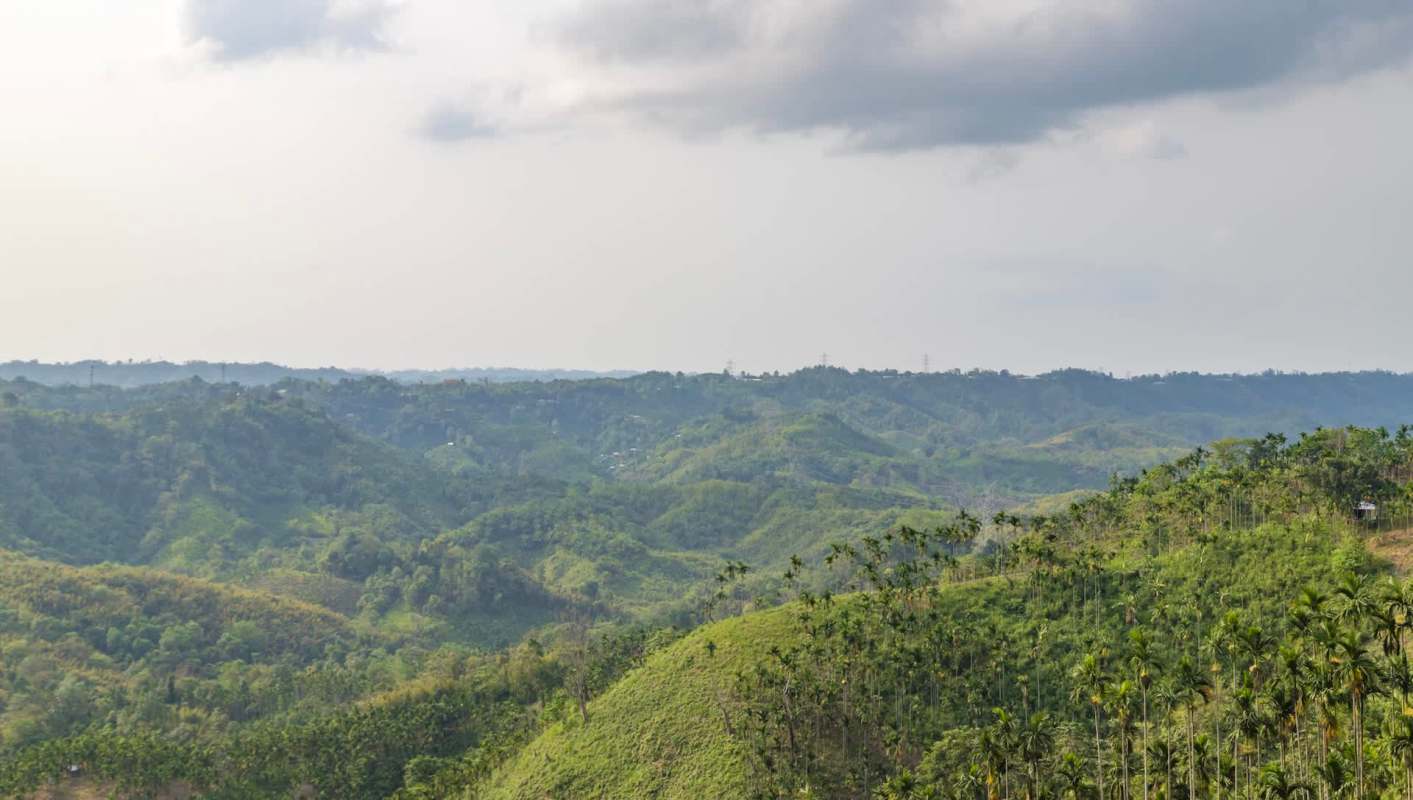
Botanists in India have rediscovered a species of flower lost for almost 100 years, East Mojo reported.
The plant, Strobilanthes parryorum, is a rare species first described 96 years ago by British botanist Annie Dunnet Parry. It's a shrub at just over eight feet tall with tube-shaped yellow flowers. It was found in Mizoram, in the area then called the Lushai Hills. However, it had not been seen since.
Last November, though, a research team from Mizoram and Tamil Nadu, led by Lucy Lalawmpuii and Kholhring Lalchhandama from Pachhunga University College in Aizawl, retraced Parry's steps. They found the species they were after and confirmed its identity by comparing it with preserved samples and analyzing it with scanning electron microscopy. The team identified multiple mature members of the species: fewer than 35, which is a small but significant population of the plant, though it means that the species is still rare.
Part of the problem with finding this plant is that it doesn't bloom very often. It demonstrates a phenomenon called plietesial flowering, meaning that individuals grow for several years, then all flower at the same time, then die.
The researchers published their findings in the Journal of Threatened Taxa, proposing that the species should be listed as "Data Deficient" under the IUCN Red List.
"This is the first confirmed record of the species in almost a century," the study noted, according to East Mojo.
Perk up the winter blues with natural, hemp-derived gummies Camino's hemp-derived gummies naturally support balance and recovery without disrupting your routine, so you can enjoy reliable, consistent dosing without guesswork or habit-forming ingredients. Flavors like sparkling pear for social events and tropical-burst for recovery deliver a sophisticated, elevated taste experience — and orchard peach for balance offers everyday support for managing stress while staying clear-headed and elevated.
Learn more → |

Discoveries like this one underscore the need to protect unique habitats like the one that gives rise to this rare species. This flower exists nowhere else on Earth and could easily be lost to habitat destruction or pollution.
It is already somewhat worrisome that the research team found it significantly farther north than it was documented growing 100 years ago; as the world heats up, plants and animals that are used to a cooler environment may not be able to continue existing in the areas that they used to thrive in.
For now, this remarkable flower still exists in the wild. There is still time to save it, and many other unique species like it.
|
Should the government be allowed to ban certain plants? Click your choice to see results and speak your mind. |
 Definitely 👍
💰Get TCD's free newsletters for easy tips to save more, waste less, and make smarter choices — and earn up to $5,000 toward clean upgrades in TCD's exclusive Rewards Club.
TCD Picks » Upway Spotlight
💡Upway makes it easy to find discounts of up to 60% on premium e-bike brands





Cool Picks






