


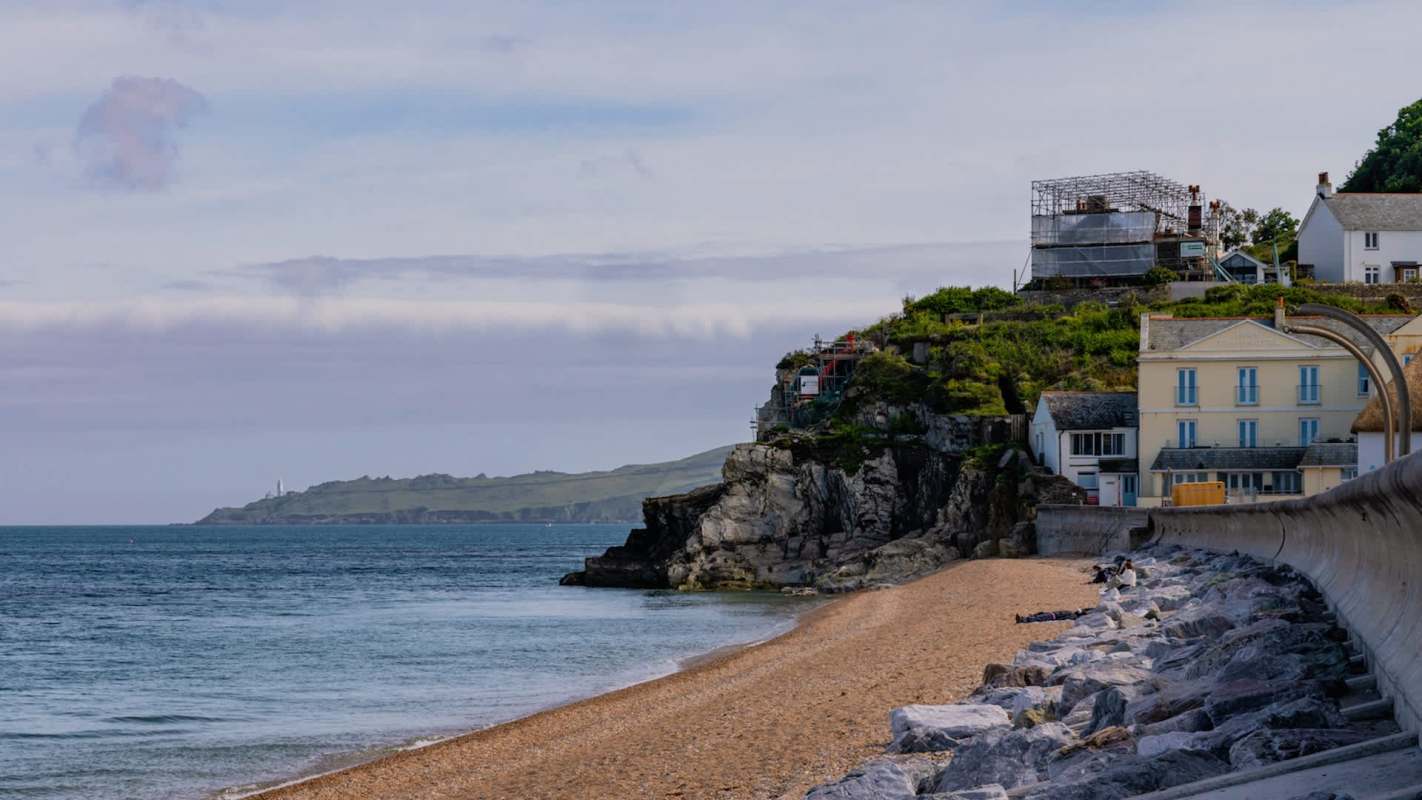
A roadway along the shore in the United Kingdom was devastated by recent storms and rising seas, which battered even steel reinforcements.
What's happening?
Storms washed away large sections of road in Devon, England, when coastal sea defences were damaged, according to The Conversation.
The damage, visible between the villages of Torcross and Slapton, affected around 200 meters of the roadway and completely destroyed part of a nearby parking lot. Powerful waves overwhelmed even steel-reinforced barriers.
In recent years, the area's beaches have eroded due to rising sea levels, reducing the sediment that has served as a natural barrier against storms.
Why is this storm damage so concerning?
Residents of Devon and other seaside counties are no doubt worried about the impact of these storms on their homes, businesses, and communities.
As humans continue to burn oil and gas for fuel, planet-heating pollution is released. This causes ice caps to melt and sea levels to rise, posing threats to coastal regions worldwide.
What's being done about coastal erosion?
Often, the first solutions considered are hard defences like seawalls and rockfronts. However, this often just diverts the problem elsewhere and does not tackle the root of the issue. In Devon, the steel barriers themselves were toppled by waves.
Though it can be a more costly and lengthy process, looking to nature for solutions can be a huge help in protecting vulnerable areas. Restoring wetlands, dunes, marshes, and mangroves can mitigate wave damage while also benefiting local biodiversity.
According to academic co-authors Avidesh Seenath and Scott Mahadeo at The Conversation, some adaptation plans hold that coasts should be allowed to shift naturally and receive "no active intervention" at all. Other environmentalists continue to advocate for a global transition to clean energy as the ultimate solution.
But communities already impacted by sea level rise also need effective strategies right now. Coastal communities are having to move further inland, but many around the world do not have the financial resources to leave their homes behind.
TCD Picks » Quince Spotlight
💡These best-sellers from Quince deliver affordable, sustainable luxury for all




According to Seenath and Mahadeo, "Long-term resilience means accepting how coasts really behave and being practical about where to defend, where to adapt, and where it may be wiser to step back and let the shoreline reshape itself."
|
What's the most you'd pay per month to put solar panels on your roof if there was no down payment?
Click your choice to see results and speak your mind. |
 $200 or more 💰
Get TCD's free newsletters for easy tips to save more, waste less, and make smarter choices — and earn up to $5,000 toward clean upgrades in TCD's exclusive Rewards Club.
Cool Picks




