


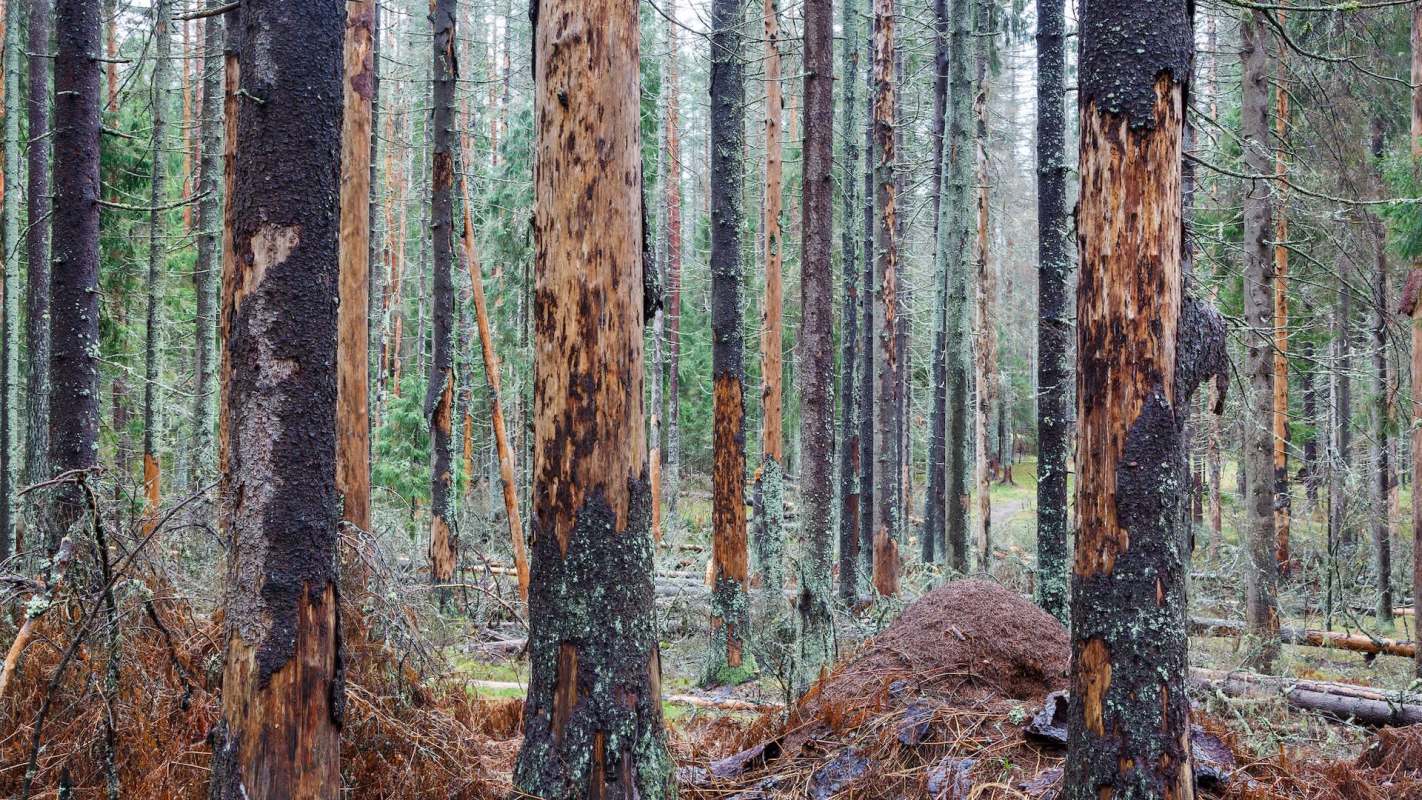
Officials in coastal Massachusetts are sounding the alarm after confirming the presence of a highly destructive forest pest that has already reshaped ecosystems across the Northeast.
What's happening?
Town officials in Falmouth confirmed the presence of the southern pine beetle, an insect considered one of the most destructive forest pests in the region.
While the beetle is native to the U.S., it was rarely seen this far north until the past decade. It was first detected in Massachusetts in 2015 and has since killed large numbers of pine trees across Martha's Vineyard and Nantucket.
"The Town of Falmouth is now working in collaboration with Barnstable County officials to develop a local response plan … to allow private property owners to report any suspected damage to trees on their property," Tree Warden Jeremiah Pearson said in a CapeCod.com report.
Until that local portal is launched, residents are being asked to report suspected damage through the Massachusetts Department of Conservation and Recreation's Forest Health Program.
Why are southern pine beetles concerning?
On its own, a single southern pine beetle does little harm. The danger comes from numbers. The insects reproduce quickly and release pheromones that summon swarms, overwhelming trees in a matter of weeks. Once a tree is infested, it rarely survives.
This outbreak highlights how fragile ecosystems can become when key species disappear. One of the beetle's main natural predators, the northern long-eared bat, has declined by roughly 98% over the past two decades.
This decline in population is due to white-nose disease, an invasive fungal infection believed to have been introduced from Europe. Fewer bats mean fewer beetles kept in check, allowing infestations to explode.
As pine forests die off, communities can face ripple effects, including higher wildfire risk and lost wildlife habitat.
What's being done about these beetles?
Local officials are developing response plans and educational tools to help residents spot infestations early. Reporting damage quickly can help slow the spread and prevent entire forest patches from being lost.
TCD Picks » Quince Spotlight
💡These best-sellers from Quince deliver affordable, sustainable luxury for all




Experts have also emphasized the importance of protecting native species and restoring balanced ecosystems. Planting and preserving native trees and plants helps maintain natural food webs and reduces the likelihood of runaway infestations.
|
Which of these savings plans for rooftop solar panels would be most appealing for you?
Click your choice to see results and speak your mind. |
 Save $1,000 this year 💸
Get TCD's free newsletters for easy tips to save more, waste less, and make smarter choices — and earn up to $5,000 toward clean upgrades in TCD's exclusive Rewards Club.
Cool Picks






