


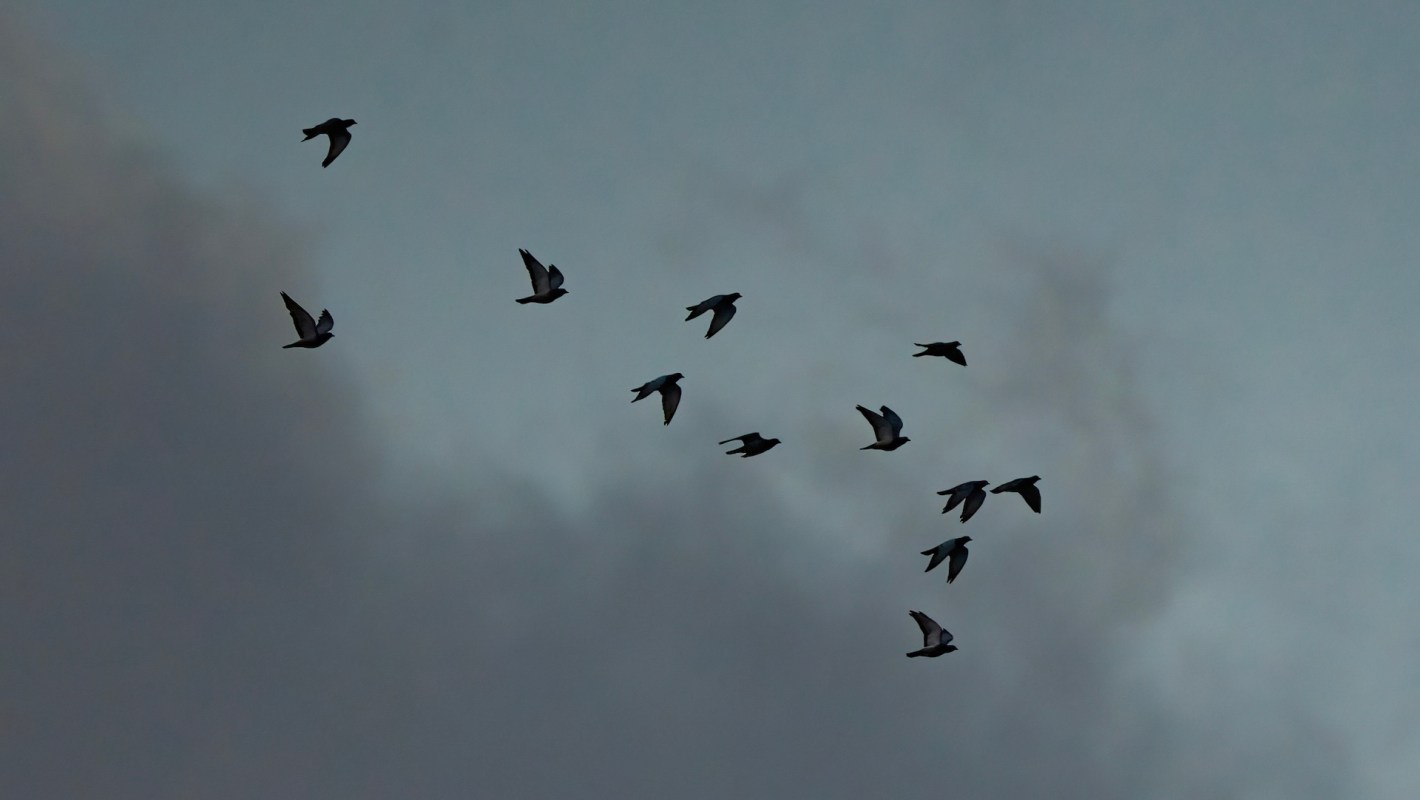
In South Australia, a new study has found that a specific type of noise pollution is negatively impacting the population of a local threatened species of songbird.
What's happening?
The study — published in Ibis by researchers at Flinders University — delved into the impact of traffic noise on the southern emu-wren, a tiny wren species endemic to Australia.
Julian Behrens, a Ph.D. candidate and researcher at the Flinders BirdLab, explained that this species of songbird is fairly sedentary and territorial, making noise pollution very detrimental to its well-being.
"Anthropogenic noise [from human activity] has the potential to negatively impact wildlife by disrupting communication and reducing overall fitness," he noted.
Why is noise pollution concerning for Australian songbird populations?
In the study, researchers specifically studied four populations of southern emu-wren for their territory defense abilities when exposed to traffic noise.
"Traffic noise not only affects birds' ability to communicate for mating, but also influences how they defend their territories, as changes in detection and response behavior can directly affect territorial outcomes," said Dr. Diane Colombelli-Négrel, director of the BirdLab research group.
Traffic noise pollution is the progression of wider repercussions of urbanization on wildlife conservation. Increased urban development can force native animals out of their natural habitats, altering biodiversity levels and overall ecosystem health.
These issues can even cause animals to adapt to urban living through a process called synurbanization, forcing species into more dangerous human interaction.
What's being done about urbanization's impact on wildlife?
If the ecological well-being of a region suffers, it can have global implications, from rising global temperatures to impacts on food supply, which is why studies like these are crucial to help conserve native wildlife.
When used in conjunction with similar studies of rare and endangered species, scientists and lawmakers alike can align to protect vulnerable animal populations.
TCD Picks » Quince Spotlight
💡These best-sellers from Quince deliver affordable, sustainable luxury for all




|
Do you worry about companies drilling too deep into the ground? Click your choice to see results and speak your mind. |
 Definitely 💯
 In the case of Flinders University's BirdLab, they can use another study from Dr. Lauren Common, Ph.D., on the ecological health of Floreana Island in the Galápagos to glean the value to protected sites on bird species.
"Invertebrate community structure, abundance and diversity clearly differed between agricultural land and national park sites, highlighting another aspect for conservation management priorities," Dr. Common said.

💰Get TCD's free newsletters for easy tips to save more, waste less, and make smarter choices — and earn up to $5,000 toward clean upgrades in TCD's exclusive Rewards Club.
Cool Picks






