


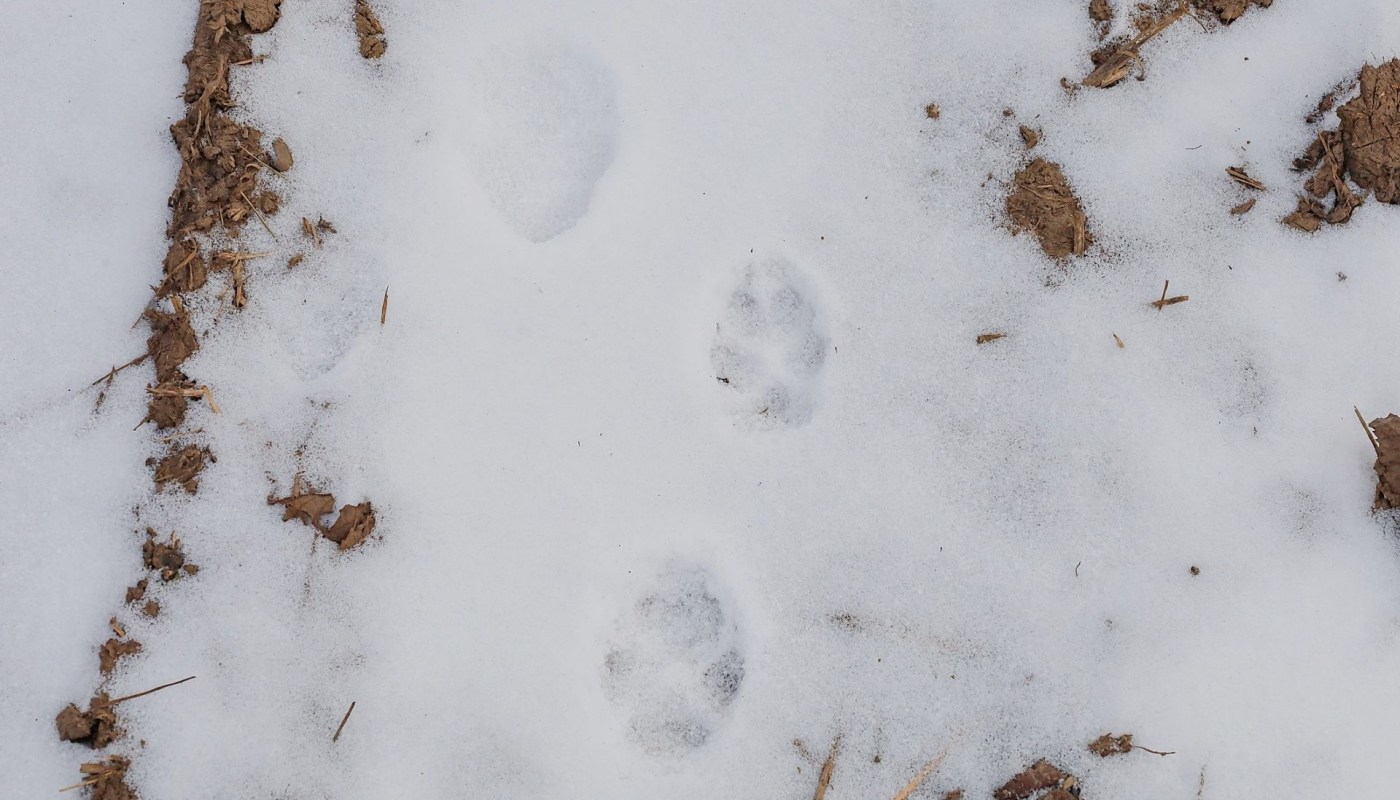
It's been a great last few months for both Sierra Nevada red foxes and the conservationists who are rooting for a resurgence of the elusive carnivore in the Lake Tahoe Basin.
A trail camera confirmed the first sighting in the basin since the mid-1900s, as CBS News reported.
The California Department of Fish and Wildlife shared the November footage to its Facebook page, saying it was taken at around 7,000 feet of elevation in the Blackwood Canyon area.
Paired with other developments and sightings, the video made CDFW scientists "believe the extremely limited population may be growing and expanding."
The news follows a major breakthrough in the Mammoth Lakes area, where the researchers outfitted one fox with a GPS-tracking collar for the first time. That is expected to help conservationists learn more about the creature's movements and aid in its recovery.
"This represents the culmination of 10 years of remote camera and scat surveys to determine the range of the fox in the southern Sierra and three years of intensive trapping efforts," CDFW environmental scientist Julia Lawson said at the time. "Everyone on the team was thrilled to see our hard work pay off."
The population of the Sierra Nevada red fox is uncertain, but there are believed to be fewer than 50 in the wild. The creature was thought to be locally extinct until 2010, as the Los Angeles Times described. Conservationists think hunting and trapping in the 20th century hastened the animal's declining numbers.
These breakthroughs reveal just how hard it is to keep track of Sierra Nevada red foxes. They are small, weighing in at just 7-10 pounds. They take residence in high-elevation areas, and their speed and reclusiveness make them difficult to track.
Still, trail cameras and other measures such as using dogs to identify their scat are clearly bearing fruit. Camera sightings are uncovering that the animal still resides in the mountains. The use of GPS collars can help facilitate better understanding of the animal's movements, dens, and reproductive behavior.
Already, researchers are exploring measures such as genetic rescue to boost the species' numbers, but better understanding its day-to-day habits and threats is critical.
TCD Picks » Quince Spotlight
💡These best-sellers from Quince deliver affordable, sustainable luxury for all




As researchers spot Sierra Nevada red foxes in more areas and unearth information about their subjects, there's new hope that the creature can flourish again.
|
Which of these savings plans for rooftop solar panels would be most appealing for you?
Click your choice to see results and speak your mind. |
 Save $1,000 this year 💸
Get TCD's free newsletters for easy tips to save more, waste less, and make smarter choices — and earn up to $5,000 toward clean upgrades in TCD's exclusive Rewards Club.
Cool Picks






