


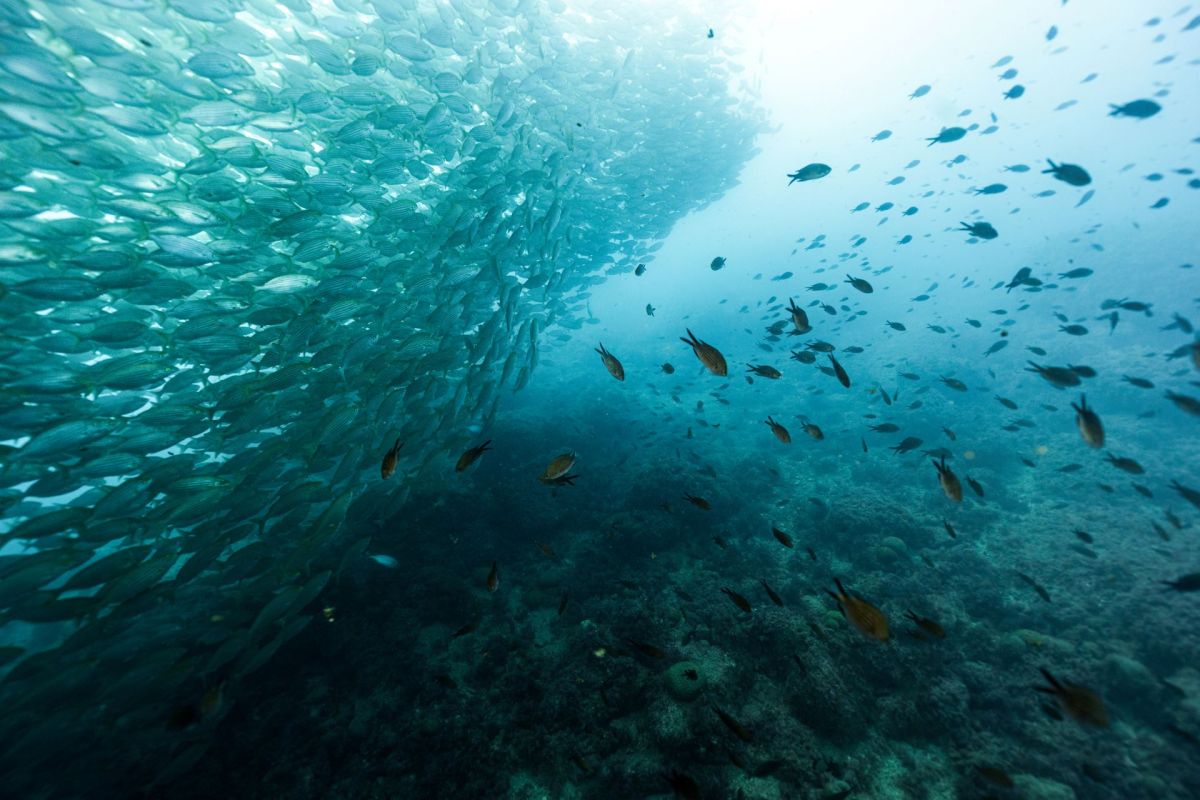
Sharks could lose their diversity if current extinction trends continue, with widespread negative effects on the ocean.
What's happening?
Global shark biodiversity is in decline, and the most threatened species are those that tend to have uncommon physiologies and specialized ecological roles, according to a new Stanford-led study.
Loss of these species, which live at the surface and depths of the ocean, would result in less trait diversity, according to a summary of the research. This would lead to what the article describes as "survival of the blandest," in which shark body types and habitats dwindle to "only medium-sized sharks in a narrow band of mid-ocean depths."
"With this huge loss of shark traits, humans would be undoing all of this evolutionary work that's gone on for millions and millions of years," said senior study author Jonathan Payne. "When we undo all of this work, we're not only losing things that give us joy, but we're also losing potential practical evolutionary solutions to problems, such as disease treatments or insights into new materials. We lose in basically every way when we drive species extinct."
Why is this study important?
"This broader erosion of unique shark morphologies would mean that many distinctive features of each species, and the functions that they have in a given ecosystem, would go away," Payne added.
Sharks are crucial members of their marine habitats. As top predators, they help keep prey populations such as fish in check, according to the National Oceanic and Atmospheric Administration's National Marine Sanctuaries.
By keeping grazer and mid-level predator populations in check, they also help protect important habitats such as seagrass meadows, coral reefs, and kelp forests. Plus, healthy shark populations can help boost coastal economies through ecotourism.
But sharks face a variety of threats, including overfishing, habitat destruction, warming global temperatures, pollution, and marine debris. For instance, one recent study revealed serious abnormalities in the reproductive systems of sharks due to microplastics.
What's being done to protect sharks?
Despite their findings, the researchers expressed hope that such trends could be reversed through tougher laws, stricter enforcement, and changes in behavior.
For instance, Brazil is considering new laws that would offer greater protection to blue sharks, which are a frequent target of the fin trade.
TCD Picks » Quince Spotlight
💡These best-sellers from Quince deliver affordable, sustainable luxury for all




All of us can help with the plastic problem that endangers sharks and other marine life by cutting down on plastic use.
|
How concerned are you about the plastic waste in our oceans? Click your choice to see results and speak your mind. |
 Extremely 😫
💰Get TCD's free newsletters for easy tips to save more, waste less, and make smarter choices — and earn up to $5,000 toward clean upgrades in TCD's exclusive Rewards Club.
Cool Picks






