


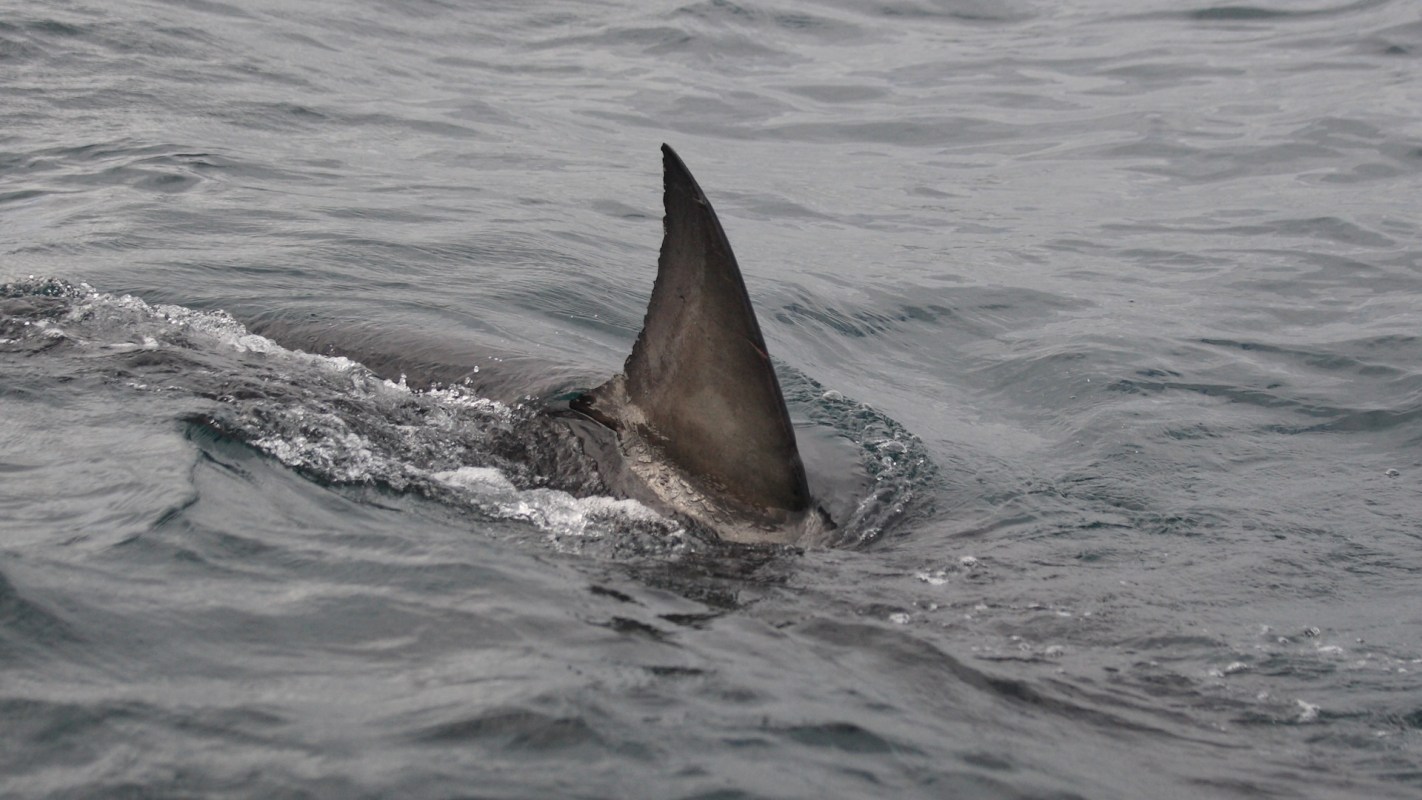
A 12-year-old Texas boy survived a shark attack during a family trip in the Bahamas after his older brother used a swimsuit as a makeshift tourniquet more than 60 miles offshore, as KPRC 2 reports.
What happened?
Before the attack, the family had spent the day visiting several islands, swimming with pigs, feeding iguanas, and spending time around nurse sharks, the station noted. Then, while on a family excursion in the Bahamas, 12-year-old Parker Roll of Friendswood, Texas, was in the water with his older brother, Jack Roll, at a secluded beach when the shark attacked.
Jack at first thought there was nothing to fear. But Parker said he had noticed something unusual in the water and told the station he thought it was a large rock that resembled a shark.
Jack recalled to KPRC 2, "I was like, 'Oh, it's just a nurse shark.'" That impression changed almost immediately.
"I just hear this ear-piercing scream, and the clearest blue water turned to the murkiest red," Jack told the network.
To slow the bleeding, KPRC 2 said Jack pulled Parker out, removed his swimsuit, and tied it tightly around his brother's badly injured leg. Because the group was far offshore without cell service or radio contact, it was about 45 minutes before they were able to reconnect and call for help.
TCD Picks » Quince Spotlight
💡These best-sellers from Quince deliver affordable, sustainable luxury for all




The family told KPRC 2 that Parker later needed about 1,000 stitches, and while he's currently sidelined from walking unassisted, he's expected to fully recover.
Why does it matter?
Humans are increasingly entering wild marine habitats through tourism, boating, and shoreline recreation.
While there is no evidence this attack was caused by any one activity, experts have long noted that feeding wildlife, clustering in shallow coastal waters, and expanding human presence in animal habitats can increase the likelihood of dangerous interactions.
Sharks play an essential role in maintaining healthy ocean ecosystems, and attacks remain extremely rare compared with the millions of people who enter the water each year.
Still, it's worth being very cautious when seeing anything that resembles a shark and keeping a healthy distance if possible.
What are people saying?
Jack described how serious the situation was.
"We were 60 miles offshore, our phones don't work, and we're on an island with nobody around us," he pointed out to KPRC 2. "It's either we help him or nobody can really help him."
Parker, meanwhile, said he knows how much worse the outcome could have been to the station.
"I didn't lose my leg," he told KPRC 2. "But there was a high possibility if I kept bleeding and it wasn't stopped."

Get TCD's free newsletters for easy tips, smart advice, and a chance to earn $5,000 toward home upgrades. To see more stories like this one, change your Google preferences here.







