


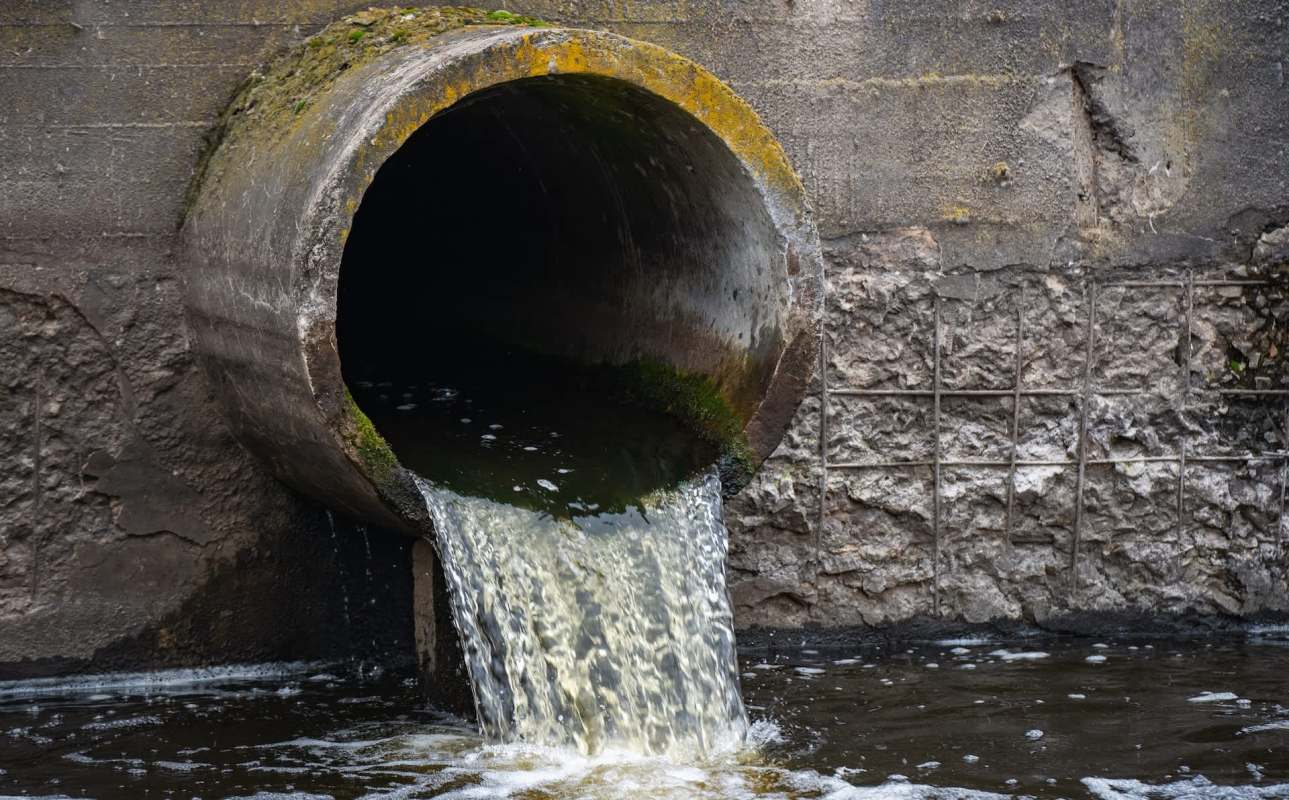
Raw sewage spills surged across England's waterways last year, raising fresh concerns about pollution levels even during unusually dry conditions, the Guardian reported.
What's happening?
New data from the Environment Agency shows water companies discharged raw sewage into rivers and seas 291,492 times in 2025.
While that marks a 35% decrease from the previous year, the numbers are still alarming, especially given that 2025 was England's driest spring in over a century and one of its warmest years on record.
Storm overflows, designed to release excess wastewater only during heavy rainfall, were used far more frequently than expected. In total, sewage flowed into waterways for an estimated 1.8 million hours.
"When sewage is pouring out even in a dry year, you really know the system is broken," said Richard Benwell, chief executive of Wildlife and Countryside Link, per the Guardian. "These aren't stormwater overflows; they're all-weather waste pipes. Rivers, lakes, and seas should not be pressure valves for pollution. Any sewage in our waters is too much."
Why is this concerning?
Sewage spills release harmful bacteria, viruses, and a cocktail of toxic pollutants into the environment, threatening ecosystems and public health.
During drought conditions, when rivers are already low, the pollution becomes even more concentrated, increasing risks for wildlife and for communities that rely on these waters for drinking, recreation, and economic activity.
"We expected to see a lower number of untreated sewage discharges in 2025 as it was such a dry year, but this should not be mistaken for progress," said Michelle Walker, technical director for the Rivers Trust, per the Guardian. "Far too many of these [discharges] will be happening on dry days and therefore be illegal."
The issue also points to deeper infrastructure challenges. Campaigners say years of underinvestment have left systems unable to cope, turning what should be emergency overflows into routine releases.
"This is what systemic failure looks like: multiple sources of pollution, weak oversight, and no single body taking responsibility for the health of our waters," Benwell added.
TCD Picks » Quince Spotlight
💡These best-sellers from Quince deliver affordable, sustainable luxury for all




|
Which of these savings plans for rooftop solar panels would be most appealing for you?
Click your choice to see results and earn rewards to spend on home upgrades. |
 Save $1,000 this year 💸
 What's being done about it?
Environmental groups argue that stronger oversight and faster action are needed to prevent further damage.
"Sewage spills are awful, and we are working to end them as fast as we physically can. While the dry weather in 2025 will have led to fewer spills, we are also starting to see the effect of a tripling of water company investment. By building bigger storm tanks and expanding capacity at sewage treatment works, we will halve spills over the next five years," said Water UK, per the Guardian.

Get TCD's free newsletters for easy tips to save more, waste less, and make smarter choices — and earn up to $5,000 toward clean upgrades in TCD's exclusive Rewards Club.
Cool Picks




