


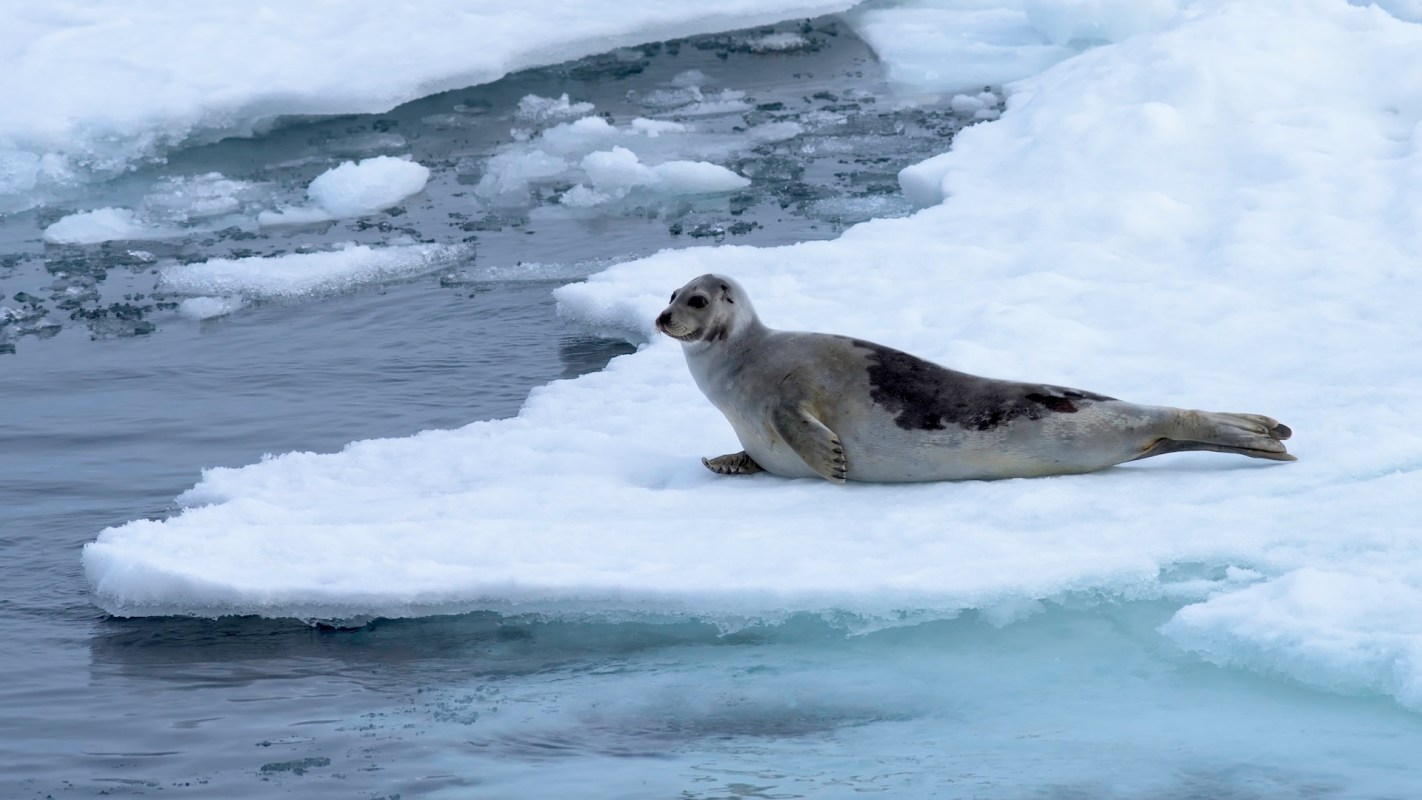
A new study shows that seals are increasingly willing to risk it all for the right mix of foods in the Arctic.
What's happening?
The University of British Columbia monitored 26 ringed seals and 39 polar bears using GPS to explore how the changes to the climate are impacting their predator-prey relationship.
Their study, published in the journal Ecology Letters, revealed that ringed seals may inadvertently endanger themselves by pursuing new offerings in their environment.
As key food sources shift, seals must follow. That can lead them into precarious situations that they'd rather avoid. Indeed, the researchers found that seals would gamble with longer dives in areas with more fish, even if there were more polar bears around.
That led researchers to believe that they weighed the risk accordingly alongside the promise of more coveted food. The more places they could explore, the more valuable they were to the seals.
"The seals aren't putting all their fish in one basket," said lead author Dr. Katie Florko in a UBC news release.
The research suggested a nuanced view of how seals and polar bears are adjusting to their changing surroundings, such as melting sea ice. All of that will be critical to conservation.
"If we map critical habitat while ignoring how bears and seals interact, we risk potentially protecting areas that animals are actually avoiding in a climate-changed future," Florko offered.
Why is the behavior of seals and polar bears important?
The fate of ringed seals hinges not only on the immediate effects of melting ice caps but also on the swiftly changing dynamics of their ecosystem. Not only are these animals important members of their ecosystem, but local humans are also dependent on their survival.
"Communities across the North rely on healthy seal and fish populations, so more accurate maps of these populations also help support food security and wildlife management," said senior author Dr. Marie Auger-Méthé in the release.
TCD Picks » Quince Spotlight
💡These best-sellers from Quince deliver affordable, sustainable luxury for all




|
Which of these savings plans for rooftop solar panels would be most appealing for you?
Click your choice to see results and earn rewards to spend on home upgrades. |
 Save $1,000 this year 💸
 What's being done to protect the Arctic's wildlife, including seals?
The researchers hope that this study can help planners build more accurate habitat models. For ringed seals, this includes considering new threats, such as killer whales, that could be more effective than polar bears against seals' defenses, like their strong swimming.
Another consideration they had was that polar bears might experience a brief surge in density on shrinking sea ice, which could imperil ringed seals. These ideas emphasize the UBC team's takeaway that planners should take into account the full dynamic of the food chain when building protections.
"When we factor in predators and prey together, we make smarter decisions for wildlife and for the people who depend on them," Florko concluded.

Get TCD's free newsletters for easy tips, smart advice, and a chance to earn $5,000 toward home upgrades. To see more stories like this one, change your Google preferences here.
Cool Picks






