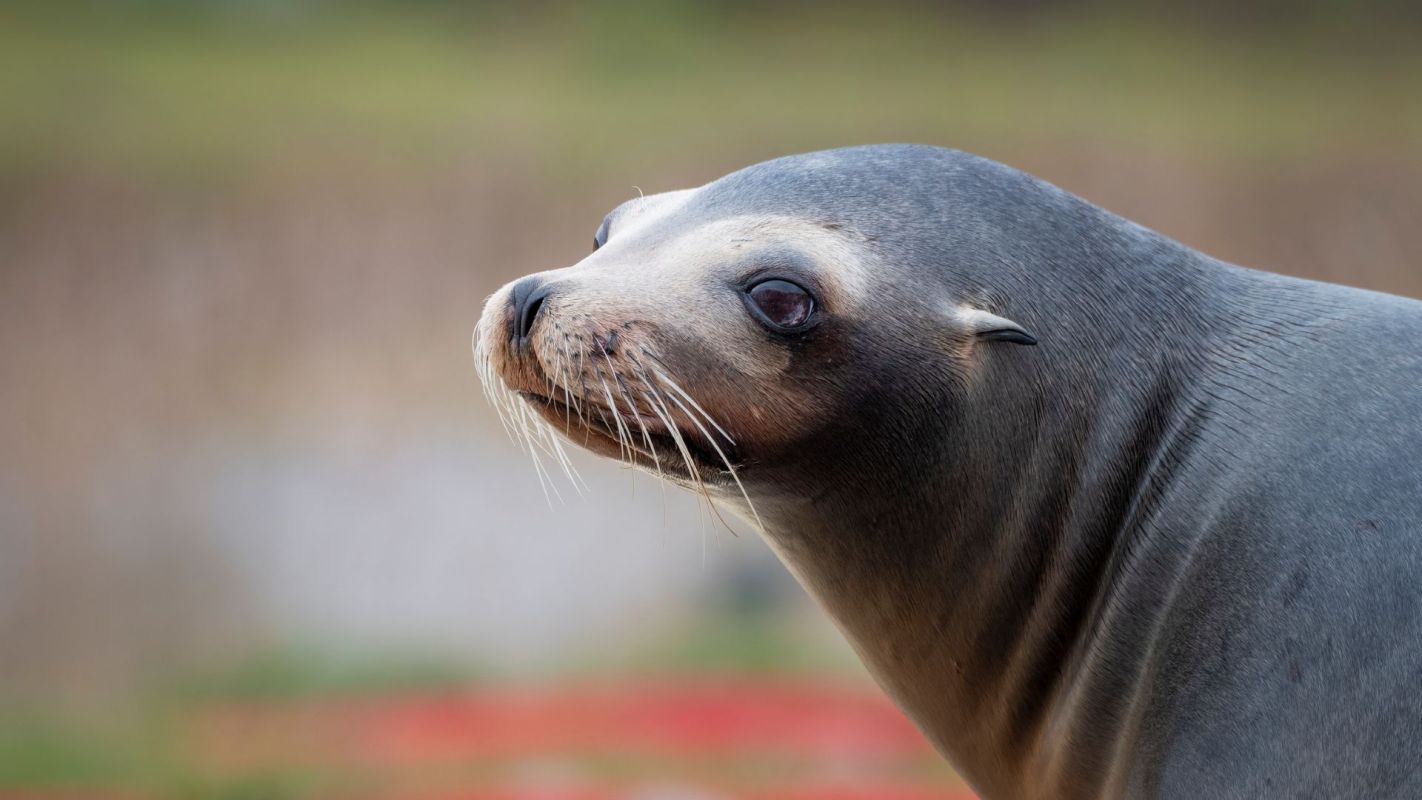
Wildlife-vehicle collisions are already a serious issue in California, and one recent rescue showed how easily even marine animals can end up in danger because of human infrastructure.
A disoriented juvenile sea lion pup named Sierra was found wandering near U.S. Highway 101 in the San Francisco area, highlighting how development, traffic, and food shortages can push wildlife into unsafe places.
What happened?
According to A-Z Animals, Sierra appears to have come from nearby Brisbane while looking for food, climbed an embankment, and got close to crossing Sierra Point Parkway before reaching Highway 101.
An off-duty officer noticed Sierra, called for assistance, and remained nearby until staff from the Marine Mammal Center in Sausalito got there. The rescue likely saved her life.
The incident may seem unusual, but it is not the only case of wildlife ending up in harm's way. California sees thousands of wildlife-vehicle collisions each year, and road traffic is a leading cause of animal deaths in cities, including San Francisco.
Sierra was also not the only sea lion pup to be rescued from a dangerous human environment this year. A-Z Animals noted that another pup, named Irving, turned up on a San Francisco street corner in April after moving through several streets in a severely malnourished state.
TCD Picks » Quince Spotlight
💡These best-sellers from Quince deliver affordable, sustainable luxury for all




Rescuers described Sierra as a "wayward" pup, meaning a young sea lion that has left its habitat to look for food. It is more common in late spring, as food becomes harder to find and pups move toward adulthood.
Why is this sea lion rescue important?
Sierra's story ended well, but many wildlife encounters near roads do not.
Sea lions are more mobile on land than many people realize. As A-Z Animals explained, sea lions can turn their hind flippers into leg-like supports and use all four flippers to cover surprising distances on land. That means a hungry or confused pup can move from shoreline habitat into neighborhoods, train corridors, and major roads in a short time.
Human activity is a major reason why these encounters happen. Coastal development can leave sea lions closer to heavy traffic, food scarcity can keep them moving, and the noise and motion of urban roads may confuse them even more.
That creates risks for both animals and people. For wildlife, the danger is clear: A collision with a vehicle can be deadly. For people, these incidents can disrupt traffic, require emergency response, and put drivers and rescuers in unsafe situations.
What's being done about sea lion road encounters?
In Sierra's case, quick action from an off-duty officer and the Marine Mammal Center made the rescue possible. Wildlife rescue groups play an important role in responding to stranded or malnourished animals, caring for them, and returning them to safer habitats when possible.
Long-term solutions go beyond any one rescue. Protecting coastal habitat could help lower the chances of pups ending up in traffic. While they may not be as beneficial to sea lions, wildlife bridges can provide a safe way for animals to get across large highways.
If you see a stranded wild animal, the most important thing is not to approach or try to move it. Instead, keep a safe distance, give the animal space, and contact trained rescuers or local wildlife officials. Supporting marine rescue organizations and habitat restoration efforts can also help.

Get TCD's free newsletters for easy tips, smart advice, and a chance to earn $5,000 toward home upgrades. To see more stories like this one, change your Google preferences here.