


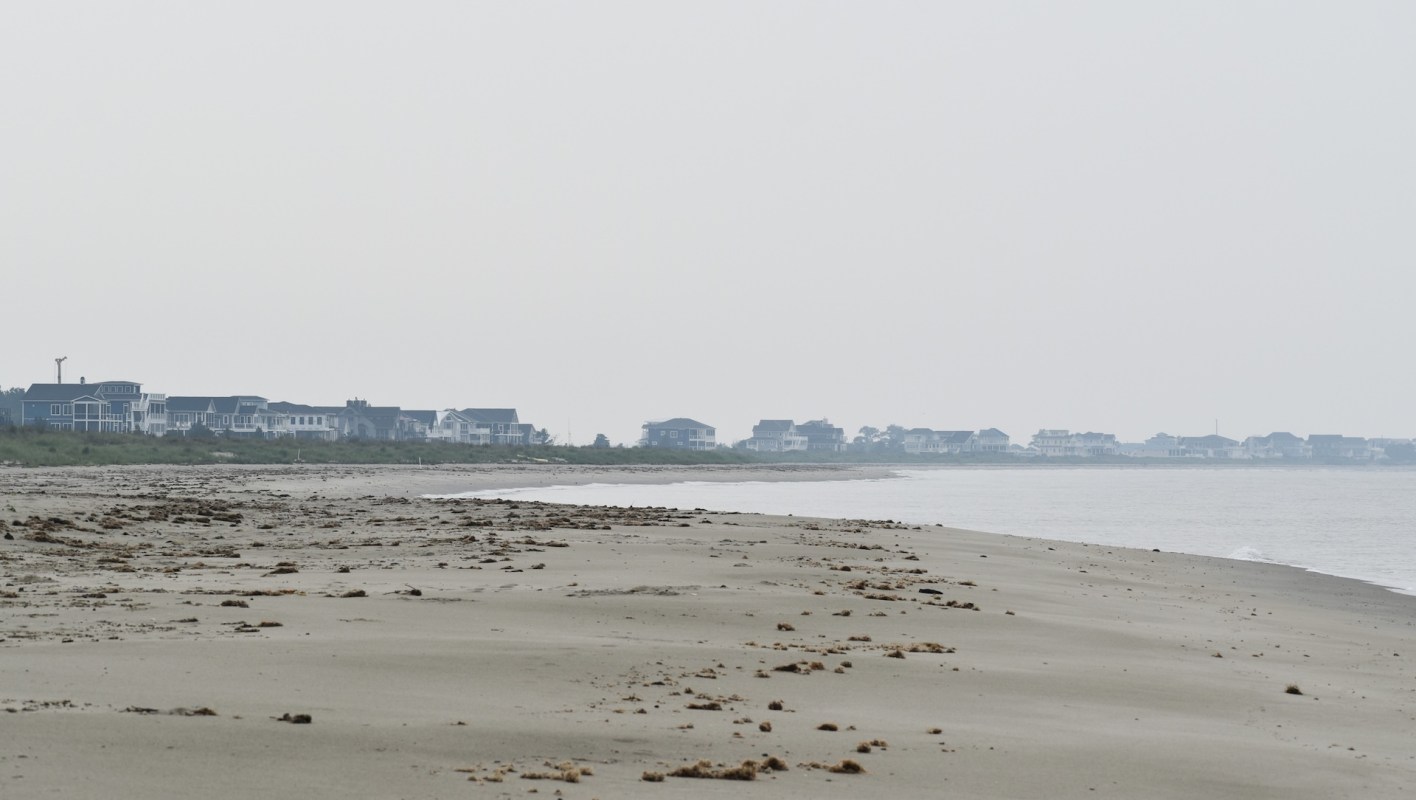
Rising sea levels are threatening to unleash toxic pollutants hidden at contaminated industrial sites along Delaware's waterways, creating potential health hazards to communities that depend on these waters for drinking supplies.
What's happening?
According to Spotlight Delaware, saltwater moving farther north and inland along the Delaware coast could trigger chemical reactions that mobilize arsenic and other toxins buried at polluted sites.
About 75% of northern Delaware residents rely on surface waters for clean drinking water, putting them at risk if contaminants spread through salty floodwaters.
"Once it happens, it's a big problem," said Holly Michael, director of the Delaware Environmental Institute at the University of Delaware, per the article. "Until it happens, you don't notice."
The Delaware River Basin Commission closely monitors a mixing zone between freshwater and saltwater that usually hovers around Claymont. This salt line has reached its most upstream position at least three times in the past 10 years, the farthest intrusion since the 1960s.
Why is saltwater intrusion important?
Burning oil, coal, and gas drives the ongoing sea-level rise and also contributes to droughts that reduce freshwater flow in rivers. This combination allows denser saltwater to push farther upstream, threatening the drinking water supplies and mobilizing long-buried toxins.
The chemistry is similar to what happened in Flint, Michigan, where officials switched water supplies without understanding that chemical reactions would cause lead to leach into the drinking water. Saltwater's corrosive nature can damage infrastructure and industrial piping, even at very low concentrations.
Unfortunately, removing salt from water via desalination remains both expensive and difficult, with no Delaware municipality currently possessing that capability.
Worsening conditions from sea-level rise endanger lives and livelihoods by threatening public health through contaminated water, undermining community safety, and destabilizing local economies dependent on clean water resources.
What's being done about saltwater intrusion?
The Delaware River Basin Commission manages a drought program that releases freshwater from upstream reservoirs when the salt line creeps too far north — a system that has protected the Philadelphia-area drinking water intakes during recent droughts.
TCD Picks » Quince Spotlight
💡These best-sellers from Quince deliver affordable, sustainable luxury for all




|
Do you worry about having toxic forever chemicals in your home?
Click your choice to see results and speak your mind. |
 Majorly 😥
 University of Delaware researchers continue studying the threat to help develop solutions before the contamination spreads.
Local water provider Veolia also operates an inflatable dam on White Clay Creek, deploying it when stream levels drop or salt levels rise too high in the Delaware River. The commission issued a report in 2023 exploring backup options for freshwater storage if current solutions remain underwhelming.

Get TCD's free newsletters for easy tips to save more, waste less, and make smarter choices — and earn up to $5,000 toward clean upgrades in TCD's exclusive Rewards Club.
Cool Picks






