


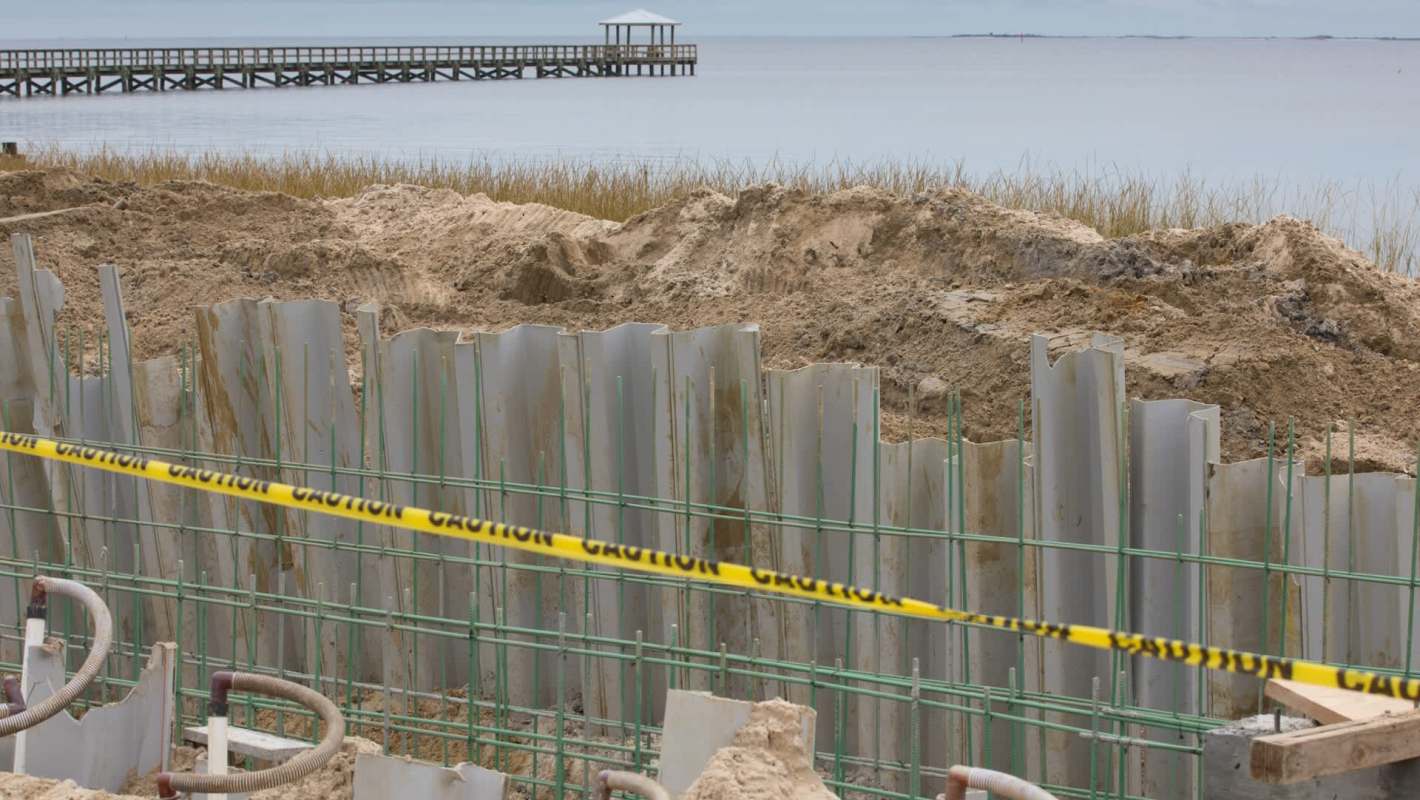
Fresh research indicates sea-level rise is accelerating faster than previously anticipated, according to WBUR.
What's happening?
The Woods Hole Oceanographic Institution has found that the rate of sea-level rise in the United States has more than doubled over the last 125 years. In 1900, oceans rose by less than 2 millimeters, but in 2024 they rose by 4 millimeters (0.16 inches). This goes contrary to U.S. Department of Energy forecasts, which concluded that there have been no obvious accelerations in sea-level rise.
Cumulatively, this has meant the sea in Boston has risen 1 foot over the last century, while that figure for Portland, Maine, is 0.65 feet.
Why is sea level rise important?
Sea-level rise is a critical climate issue for one key reason.
Study author Christopher Piecuch said, per WBUR: "40% of the people in the U.S. — almost 130 million people — live in coastal counties. So this has direct bearing on how we live and work near the sea."
Sea-level rise can flood residential areas, precipitating costly evacuations. It can also eat into valuable agricultural land, forcing farmers to either make expensive adaptations or abandon their crops altogether.
Perk up the winter blues with natural, hemp-derived gummies Camino's hemp-derived gummies naturally support balance and recovery without disrupting your routine, so you can enjoy reliable, consistent dosing without guesswork or habit-forming ingredients. Flavors like sparkling pear for social events and tropical-burst for recovery deliver a sophisticated, elevated taste experience — and orchard peach for balance offers everyday support for managing stress while staying clear-headed and elevated.
Learn more → |

What's being done about sea-level rise?
Many coastal jurisdictions are investing in costly adaptations to deal with the likely sea-level rise in the future. For example, a low-lying South Carolinian island community is looking to increase the number of stormwater pipes, raise its causeway to the mainland, and build more rain gardens to stem flooding conditions.
These measures tend to be more expensive than addressing the root cause, however. One study suggested that by 2100, sea-level rise could cost coastal communities $3 trillion.
Mitigating sea-level rise before it worsens will require lowering atmospheric pollution, which has been melting ice caps. Some of the best ways of contributing to this on an individual level include switching to an electric vehicle, eating less meat, upgrading to a heat pump, and increasing the adoption of solar power.
|
How worried are you about rising ocean levels? Click your choice to see results and speak your mind. |
 Very 😰
Get TCD's free newsletters for easy tips to save more, waste less, and make smarter choices — and earn up to $5,000 toward clean upgrades in TCD's exclusive Rewards Club.
TCD Picks » Upway Spotlight
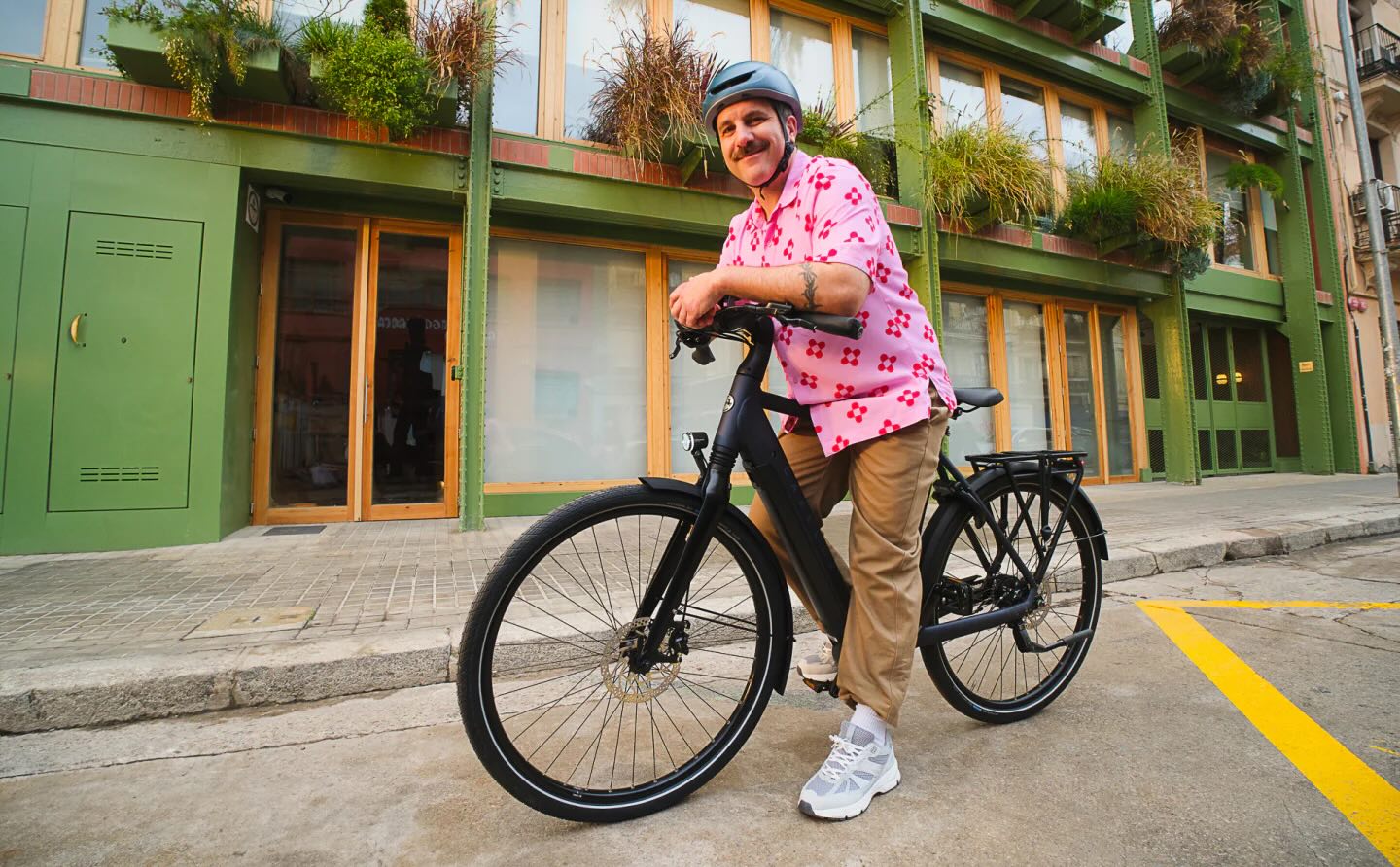
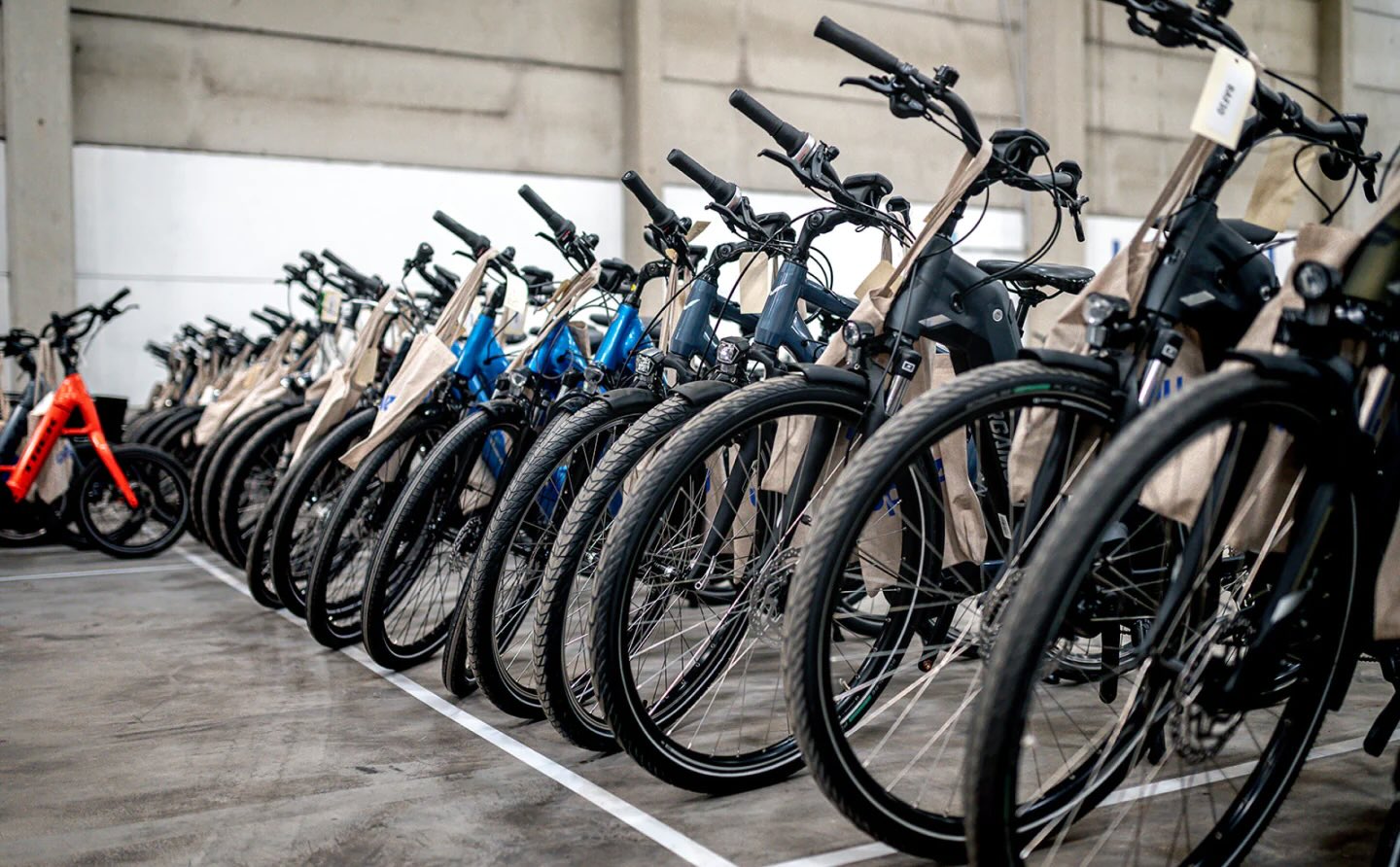
💡Upway makes it easy to find discounts of up to 60% on premium e-bike brands



Cool Picks






