


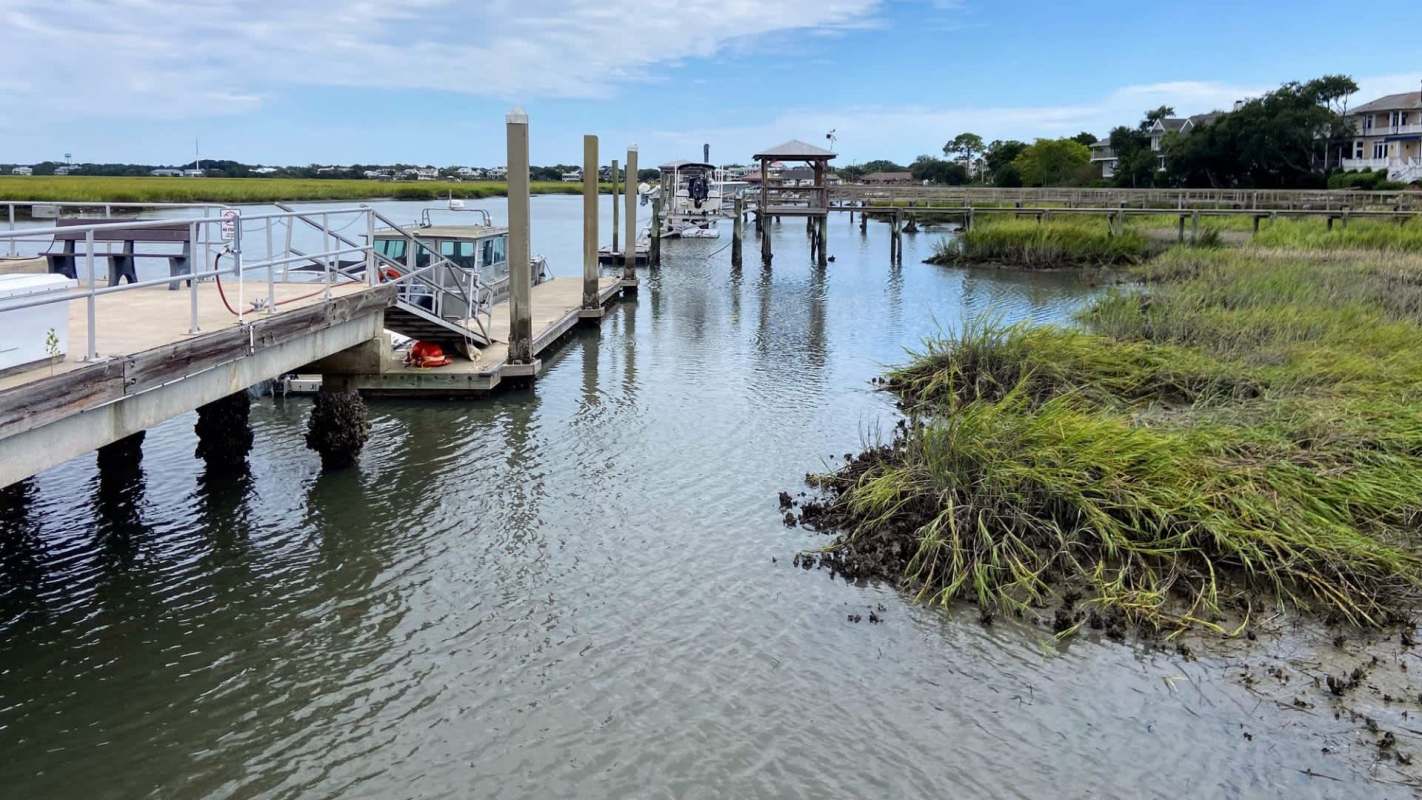
Rising tides are closing in on Sullivan's Island, and town leaders are racing to stay ahead of the water. WCBD News 2 shared the latest update on the island's long-term flood mitigation plan.
What's happening?
Sea levels in Charleston, South Carolina, have been rising by about 3.51 millimeters every year, according to the National Oceanic and Atmospheric Administration. This means water levels around Sullivan's Island are rising faster than the global average of 3.3 mm per year, a figure reported by NASA.
In fact, researchers at NOAA estimate that by 2050, sea levels in the area could rise by roughly 14 to 18 inches. Local factors, such as land subsidence — the gradual sinking of land — also contribute to this rise.
As sea levels continue to rise, the region could face up to 115 days of high-tide flooding per year by 2050, compared with approximately 12 days this year, as projected by NOAA.
Why is this issue concerning?
What's happening on Sullivan's Island shows what other low-lying areas may face next — rising seas and stronger storms reshaping entire communities.
Floods and other extreme weather have always occurred, but human-driven shifts in the planet's climate are making them hit harder and more often. Communities like Sullivan's Island are feeling the impact firsthand.
TCD Picks » Quince Spotlight
💡These best-sellers from Quince deliver affordable, sustainable luxury for all




Heat-trapping pollution from burning dirty energy warms oceans and melts land ice, pushing water levels higher. Even without hurricanes, flooding will grow more frequent as tides move farther inland and reach streets and yards more often.
Around the world, some coastal communities are already confronting similar threats. The Indigenous Guna people are being relocated to the mainland as rising seas make their island uninhabitable. Coastal communities in Florida and towns along the Gulf of Mexico are battling stronger storms and coastal erosion.
What's being done about the issue?
According to WCBD News 2, consultants presented the final draft of the sea level adaptation and resilience plan on October 21. The plan lays out strategies to safeguard the island's resources, restore natural systems, and protect the community from flooding, erosion, and high tides.
One of its key proposals is the elevation of the Ben Sawyer Causeway — a vital evacuation and emergency route during hurricanes.
|
Do you think America does a good job of protecting its natural beauty? Click your choice to see results and speak your mind. |
 Definitely 👍
 Other proposed solutions include installing larger stormwater pipes and building rain gardens and permeable parking to absorb excess runoff.
While this proactive strategy marks significant progress, it also needs support from broader efforts that address the warming driving sea-level rise.
Wider discussions about environmental problems, continued investment in clean energy, and ongoing coastal restoration work all contribute to building safer, more resilient communities.

Join our free newsletter for good news and useful tips, and don't miss this cool list of easy ways to help yourself while helping the planet.







