


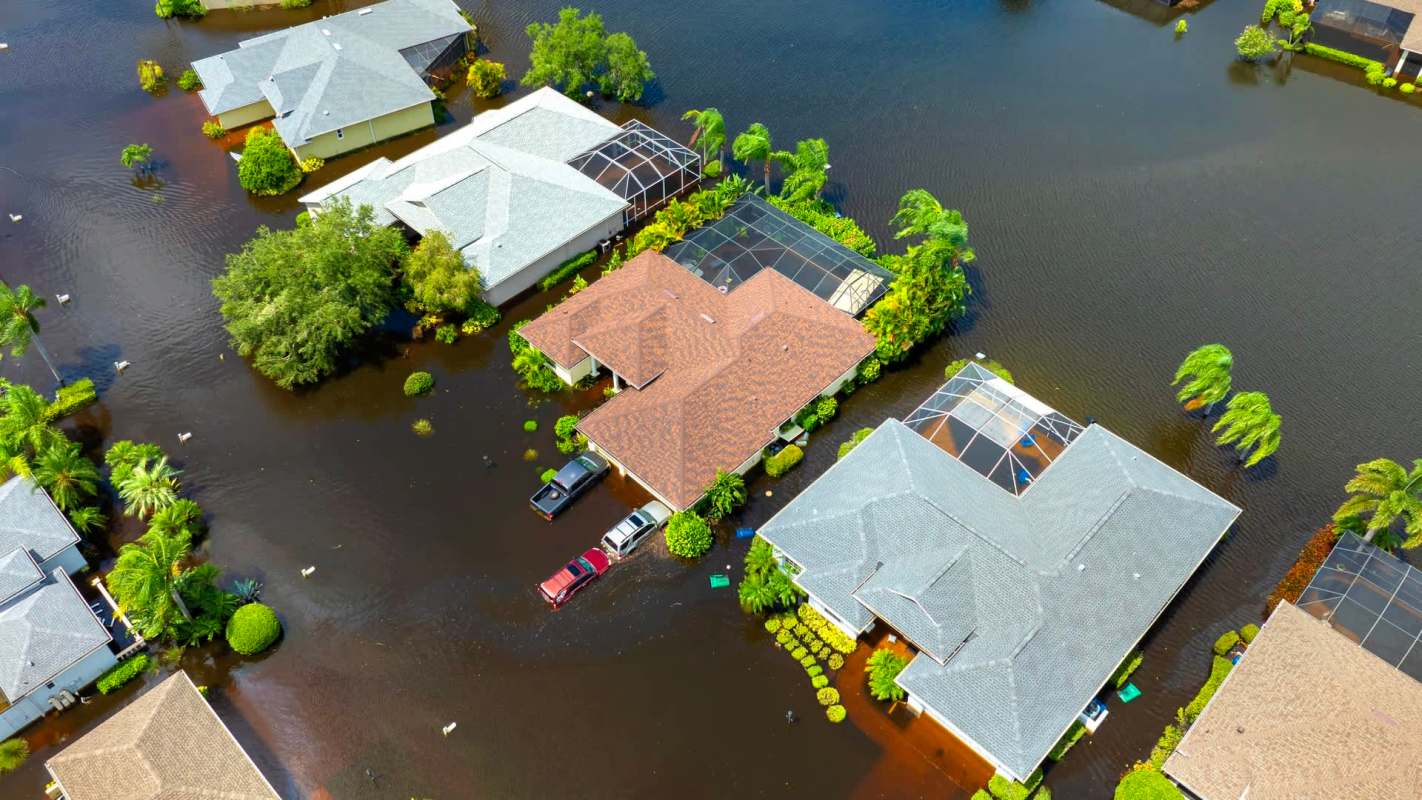
While sea-level rise presents challenges for the entire planet, a team of researchers has pinpointed the communities that are likely to be the most affected.
What's happening?
As reported by The Conversation, some island nations in the Caribbean could be at risk of facing "devastating impacts of sea-level rise" as global temperatures continue to soar. To better predict future sea-level rise, researchers linked a model of the Antarctic ice sheet with a global climate model to assess how ice melt and climate interact.
In a study first published in the journal Nature Communications, climate researchers discovered that when Antarctic meltwater is included in these models, projections of future sea-level rise change significantly when compared to models that ignore meltwater.
Melting from Antarctica can raise air temperatures by up to 1.5 degrees Celsius (2.7 Fahrenheit) in parts of the Northern Hemisphere, while generally slowing warming in the Southern Hemisphere. This, in turn, has contributed to the continued melting of ice sheets in Antarctica.
Why is the rapid melting of Antarctic ice sheets concerning?
As the researchers noted, rising carbon pollution has been linked to rising global temperatures. The burning of coal, natural gas, and oil accounts for nearly 70% of all carbon pollution. This has played a major role in increasing temperatures and the melting of ice sheets in Antarctica.
When running simulations that factor in just a moderate reduction in global carbon pollution, the researchers found that the average sea-level rise would still be around four inches by 2100 due to Antarctic ice melt alone. And when factoring in ice melt from Greenland and the thermal expansion of our oceans, total sea-level rise would be around one to two feet by 2100 using the same simulation.
However, the Indian, Pacific, and Atlantic Ocean basins could see much higher regional totals. Some locations could see up to five feet of sea-level rise by 2200 just from a surge of Antarctic meltwater. This would result in widespread land loss for island communities and more devastating impacts from storms and flooding.
What's being done about sea-level rise projections?
Current climate models often underestimate the potential effects of sea-level rise since they don't fully account for the impact of Antarctic meltwater. Not only can it skew projections, but it can also make it challenging for nations to prepare for any future effects.
For now, the team of researchers suggested that reducing current carbon pollution levels remains one of the most crucial steps to limit ice-sheet loss, which can worsen sea-level rise. This includes initiatives such as the Paris Agreement, which aims to limit the increase in the global average temperature to below 2 degrees Celsius (3.6 Fahrenheit) above the preindustrial levels.
The researchers also noted that "embedding dynamic ice sheet models within Earth system models … highlight the global risks of Antarctic ice sheet instability under rising greenhouse gas emissions, underscoring the need to reduce emissions in the immediate near term."
TCD Picks » Quince Spotlight
💡These best-sellers from Quince deliver affordable, sustainable luxury for all




|
How worried are you about rising ocean levels? Click your choice to see results and speak your mind. |
 Very 😰
Get TCD's free newsletters for easy tips to save more, waste less, and make smarter choices — and earn up to $5,000 toward clean upgrades in TCD's exclusive Rewards Club.
Cool Picks






