


The COVID-19 pandemic has affected the environment in unpredictable ways — some for the better and some for the worse. One shocking effect is the return of an invasive species.
A parasitic "vampire fish" called the sea lamprey has wreaked havoc on the fish populations in the Great Lakes, Business Insider reported.
What is the sea lamprey?
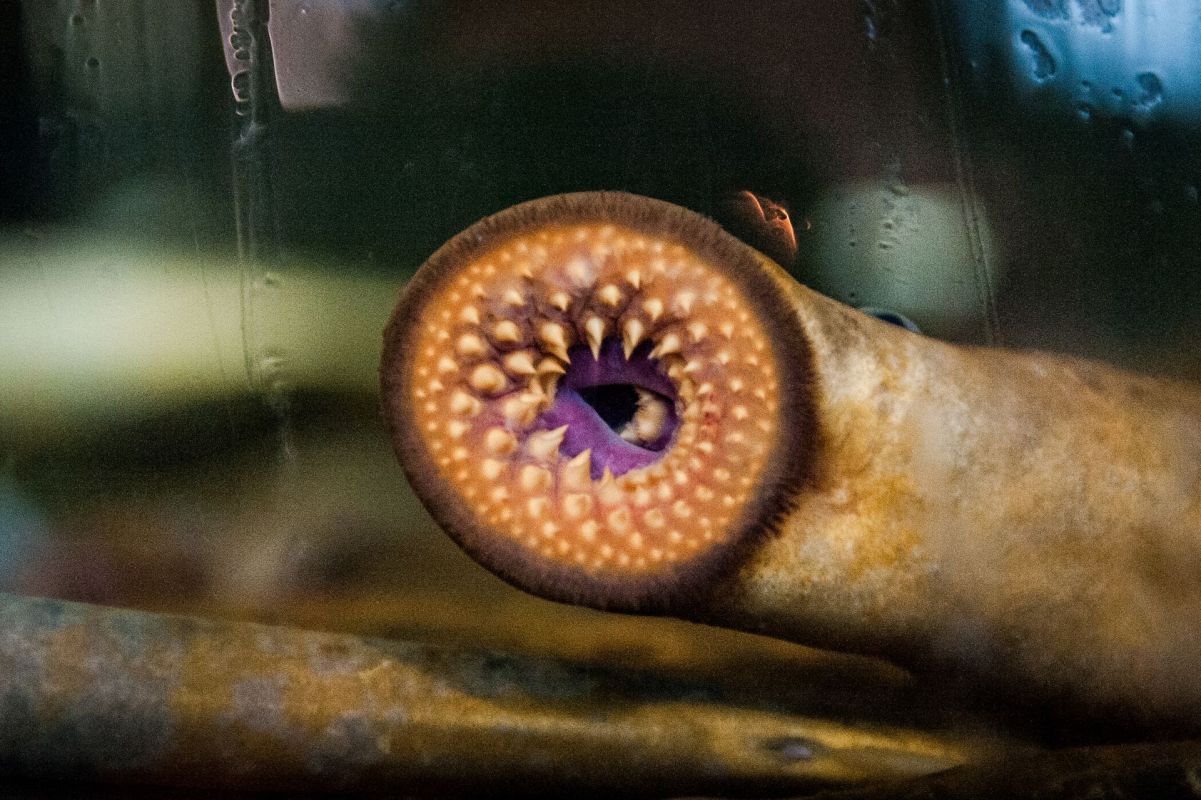
According to the Great Lakes Fishery Commission, the sea lamprey is an eel-like fish. Its ring-shaped mouth has multiple rows of sharp teeth, which it uses to latch onto other fish and suck out their blood.
Why is the sea lamprey a problem?
The sea lamprey is native to the Atlantic Ocean, the GLFC reported, but it spread to the Great Lakes in the 1800s. In the ocean, it usually doesn't kill the fish it feeds on, but the fish in the Great Lakes have no defenses and generally die after being bitten. A single lamprey can kill up to 40 pounds of fish in its life, according to the GLFC.
The GLFC also said female sea lampreys can lay up to 100,000 eggs apiece. Once they were introduced to the Great Lakes, their population exploded, and the native fish populations tanked.
"Within a century, the trout fishery had collapsed, largely due to the lamprey's unchecked proliferation," a blog post from the National Oceanic and Atmospheric Administration said.
The GLFC reported that the fishing industry in the Great Lakes, which used to produce about 15 million pounds of fish each year, dropped to 300,000 pounds by the 1960s.
What's being done about sea lampreys in the Great Lakes?
According to Business Insider, the GLFC, the U.S. Fish and Wildlife Service, and Fisheries and Oceans Canada have cooperated in the past to apply pesticides called lampricides that target sea lampreys. These reduced the lamprey population by an estimated 90%.
However, in 2020 and 2021, these agencies weren't able to apply the treatments they had scheduled due to the COVID-19 pandemic, Business Insider reported. There has been a resulting population book that is difficult to measure.
The GLFC and its partners will hopefully be able to resume treating the lamprey infestation. Meanwhile, the University of Illinois Urbana-Champaign explained that boat owners can help stop the spread of invasive species like sea lampreys by correctly cleaning and emptying their boats when moving between bodies of water.
TCD Picks » Quince Spotlight
💡These best-sellers from Quince deliver affordable, sustainable luxury for all





Join our free newsletter for cool news and cool tips that make it easy to help yourself while helping the planet.
Cool Picks




