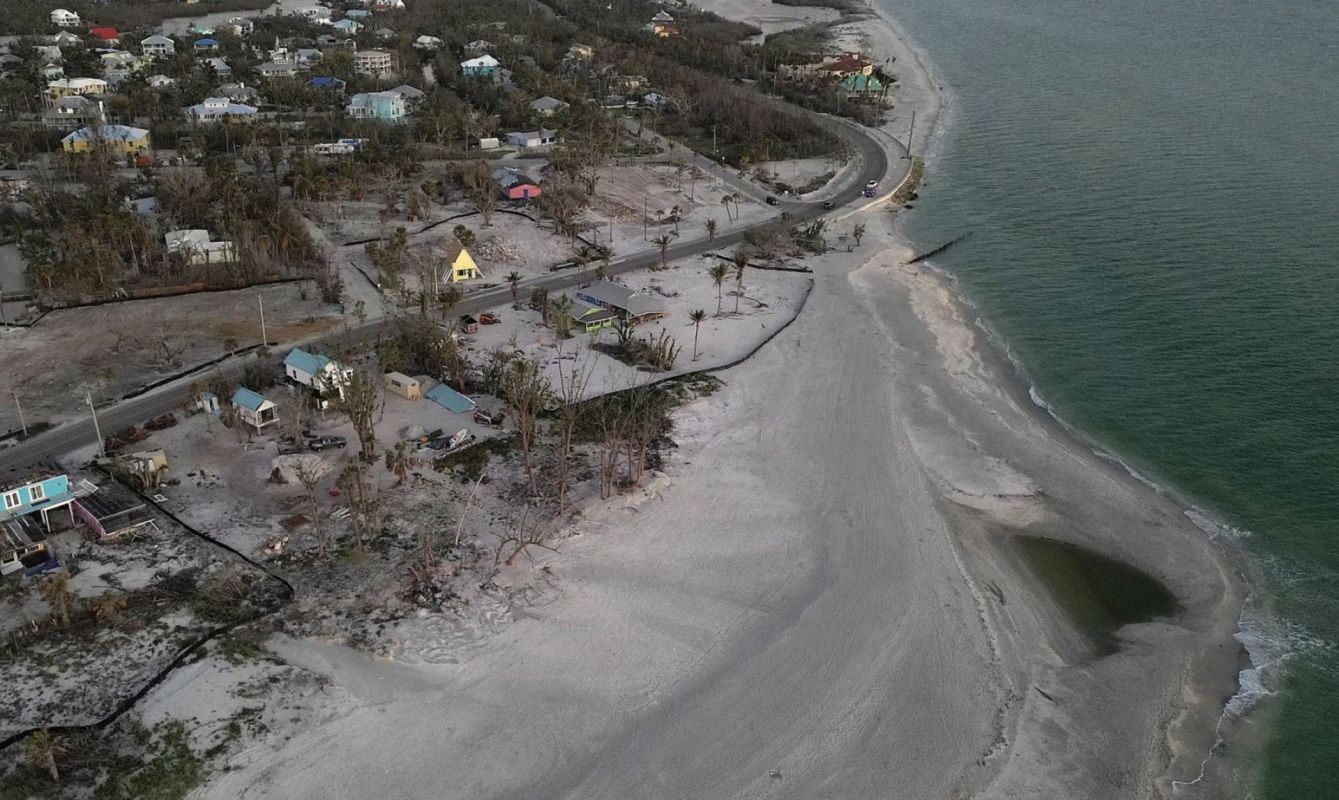
A new study has predicted an increased risk of serious flooding in Sanibel Island, Florida.
The picturesque locale is known for its beaches and diverse wildlife, but a new Vulnerability Assessment Report funded by the Resilient Florida Grant Program found that the area was at risk of flooding.
What's happening?
Reporting by WINK highlighted the areas of Sanibel Island that are most vulnerable to flooding. It also compared the existing infrastructure and natural resources with projections for future sea-level rise and storm surges.
Ultimately, the report hopes to raise awareness of the risk of future flooding and help communities and local authorities protect homes, businesses, and people in the area.
Why are increased flood risks so concerning?
Floods and storms have always been a destructive part of nature, ripping through cities, ending lives, destroying homes, and wreaking havoc on people's lives.
However, according to the United Nations Office for Disaster Risk Reduction, since 2000, the "number of flood-related disasters has risen by 134% compared with the two previous decades."
TCD Picks » Upway Spotlight
💡Upway makes it easy to find discounts of up to 60% on premium e-bike brands





The burning of fuels such as oil, coal, and gas creates pollution that warms the Earth. This, in turn, melts ice caps and raises sea levels, putting many vulnerable communities at an increased risk of flooding.
The scientific consensus is that the human-induced rise in global temperatures supercharges extreme weather events, making them stronger and more damaging to communities.
What's being done to prevent flooding on Sanibel Island?
The report on Sanibel Island will be a helpful tool to protect the area in the most effective ways, targeting specific roads, homes, and businesses that are particularly at risk.
Matt DePaolis, the environmental policy director for the local charity Sanibel-Captiva Conservation Foundation, commented to WINK that the study was an initial step toward more long-term solutions.
TCD Picks » Quince Spotlight
💡These best-sellers from Quince deliver affordable, sustainable luxury for all




|
How worried are you about rising ocean levels? Click your choice to see results and speak your mind. |
 Very 😰
 He highlighted the importance of nature-based approaches, such as living shorelines and dune systems, that can provide protection without damaging the environment.
"If you build a sea wall, the minute that sea wall is completed, you're starting to need to do maintenance on that, whereas something like a mangrove fringe that's a self-perpetuating system, mangroves make new mangroves that continually build up and strengthen those defenses," he said.
"So working with nature into the future is going to be very important."

Get TCD's free newsletters for easy tips to save more, waste less, and make smarter choices — and earn up to $5,000 toward clean upgrades in TCD's exclusive Rewards Club.
Cool Picks