A hidden ocean beneath Antarctica's largest ice shelf could be the continent's Achilles' heel — and a major driver of higher sea levels than scientists once expected.
What's happening?
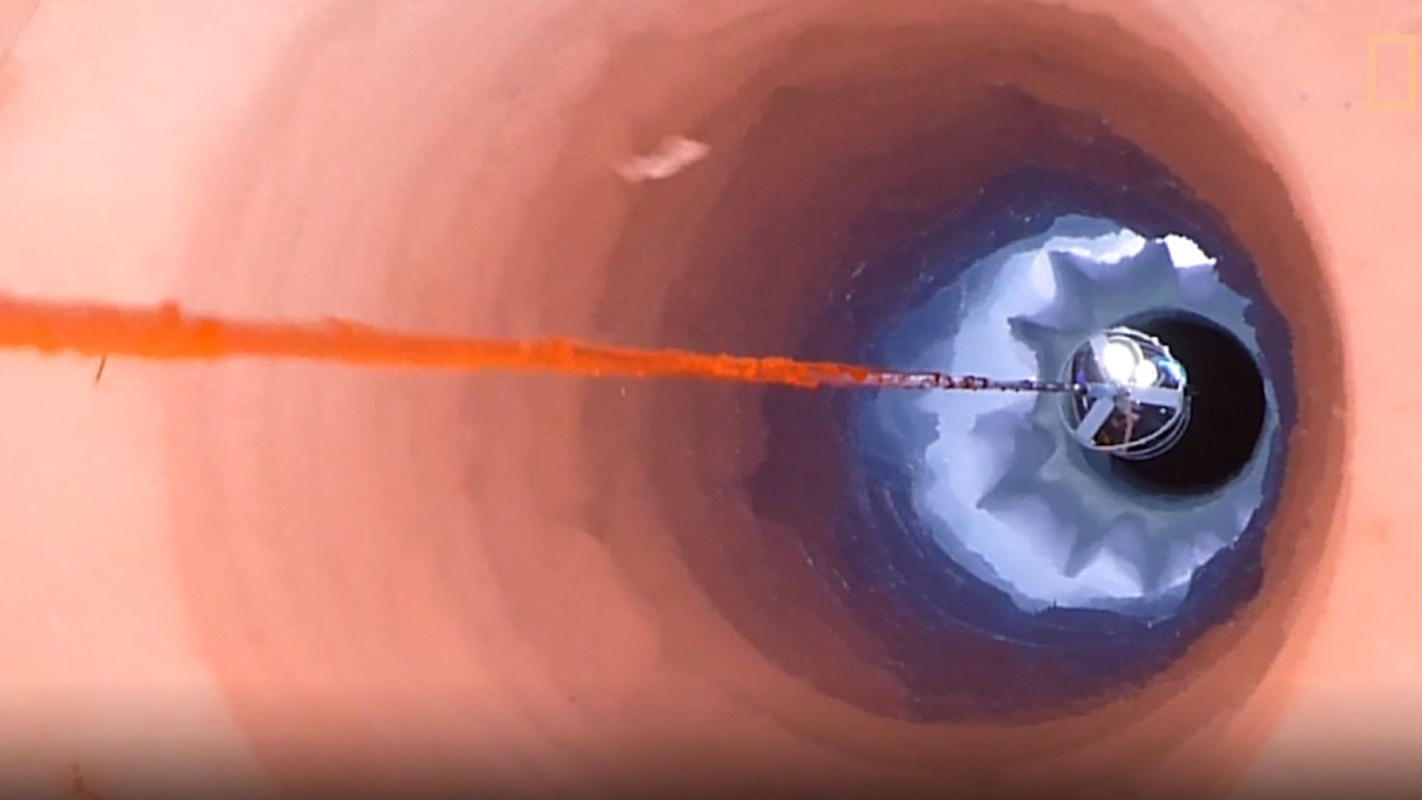
For the first time, researchers collected long-term measurements from deep below the Ross Ice Shelf, a floating ice sheet roughly the size of France that helps hold back the polar ice sheet.
Scientists tracked ocean temperature, salinity, and currents beneath the ice for over four years using instruments lowered through a drilled hole.
Their research, published in the Journal of Geophysical Research: Oceans, shows that the ocean cavity below the ice is more dynamic than previously believed. Instead of remaining stable, the water undergoes seasonal shifts, including flows of deeper, supercooled water and currents that move heat toward the ice from below.
Even slight increases in ocean temperature can dramatically accelerate melting from the underside of ice shelves, a process scientists call basal melting.
Why is this discovery concerning?
Ice shelves act like barriers that slow the movement of glaciers into the ocean, according to the National Snow and Ice Data Center. Ultimately, glaciers can flow more freely into the sea as they thin, which can contribute to rising sea levels worldwide.
Perk up the winter blues with natural, hemp-derived gummies Camino's hemp-derived gummies naturally support balance and recovery without disrupting your routine, so you can enjoy reliable, consistent dosing without guesswork or habit-forming ingredients. Flavors like sparkling pear for social events and tropical-burst for recovery deliver a sophisticated, elevated taste experience — and orchard peach for balance offers everyday support for managing stress while staying clear-headed and elevated.
Learn more → |

Basal melting is troubling because it's largely invisible and responsible for the majority of ice shelf loss. It's easier to track surface ice loss, but melting from below is harder to monitor without custom-built equipment and can destabilize massive ice systems before visible collapse occurs.
When sea levels rise, it can threaten coastal cities, infrastructure, and freshwater supplies. This can also increase the risk of flooding and disease for millions of people. When polar ice is lost, it can disrupt global ocean circulation, which plays a major role in regulating weather patterns and marine ecosystems.
These changes are driven by human activity, particularly the burning of oil, gas, and coal, which trap heat in the atmosphere and oceans.
Previous reporting has shown that the Ross Ice Shelf is already slipping by a measurable amount each day, while other studies have warned about the growing amount of "slush" on top of ice shelves — a waterlogged layer that generates nearly three times more meltwater than solid ice because it absorbs more heat.
TCD Picks » Upway Spotlight
💡Upway makes it easy to find discounts of up to 60% on premium e-bike brands





|
What's the most you'd pay per month to put solar panels on your roof if there was no down payment?
Click your choice to see results and speak your mind. |
 $200 or more 💰
 What's being done about these conditions?
Expanding ocean monitoring is critical for improving climate models and predicting future risks.
Initiatives like NASA's Earth System Explorers Program are designed to enable similar science investigations and monitoring tools from space that study how greenhouse gases and other factors are cooking the planet.
In the long term, reducing reliance on oil, gas, and coal remains one of the most effective ways to slow ocean warming. Transitioning to clean energy, protecting marine ecosystems, and discussing these issues with family and friends can help keep oceans cool.

Get TCD's free newsletters for easy tips to save more, waste less, and make smarter choices — and earn up to $5,000 toward clean upgrades in TCD's exclusive Rewards Club.
Cool Picks