


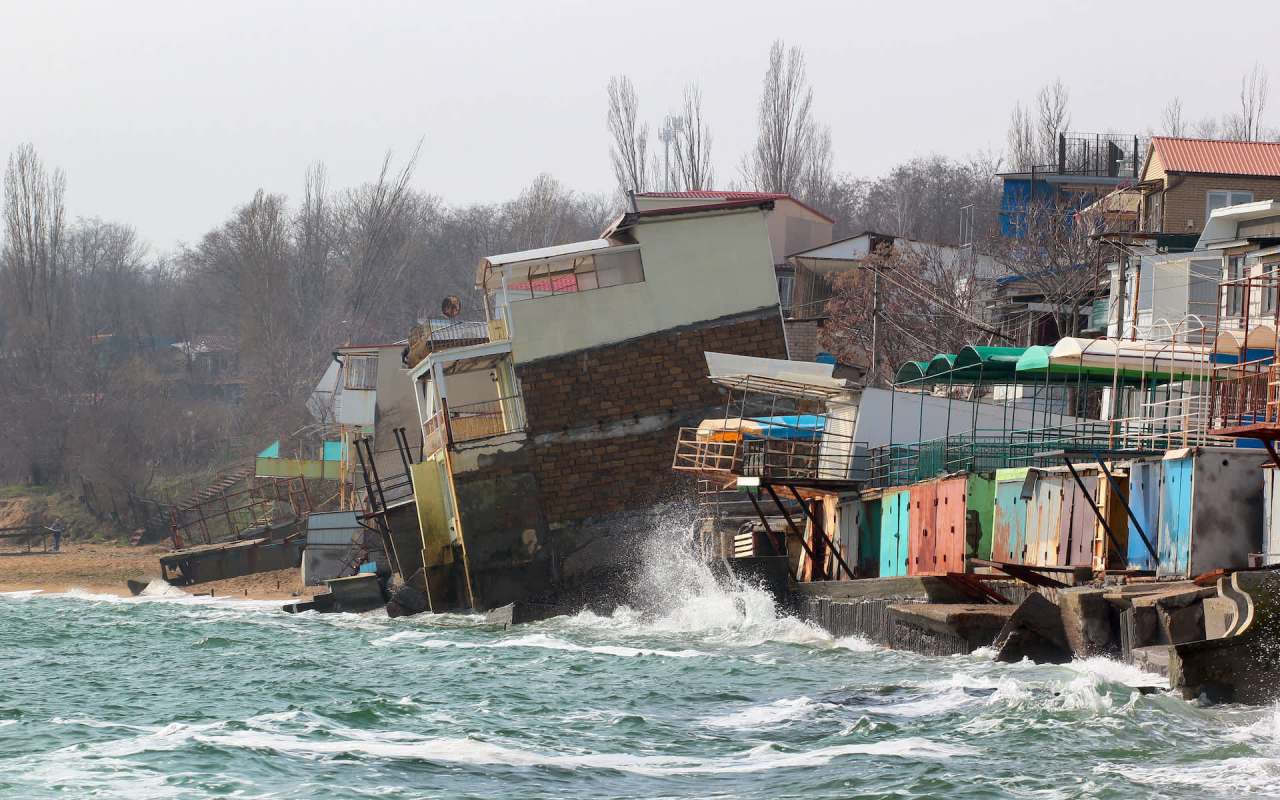
Although many people are relocating from the coast for safety, this luxury is unfortunately not something everyone can afford.
What's happening?
Living on the coast offers homeowners stunning sea views and the ability to swim at any time, but it also poses a significant risk due to the heightened frequency of extreme weather events, such as tsunamis and flooding. Staggering new research reported on by Noticias Ambientales has revealed that from 1992 to 2019, 56% of coastal settlements relocated farther inland.
The study was conducted in 1,071 coastal regions across 155 countries and tracked night light through satellite analysis. Although the majority of households moved away, the study found that 28% of settlements remained in place, while 16% moved closer to the coast.
However, a crucial consideration is that not everyone can afford to relocate to a safer area, which means lower-income communities are particularly vulnerable to rising sea levels and the resulting damage to their homes.
"Moving inland only happens where there are means to do so," said Wang Xiaoming, the lead author of the study, per Noticias Ambientales.
Why are rising sea levels so worrying?
The pollution created by burning dirty energy causes global temperatures to rise, glaciers to melt, and sea levels to rise. Although extreme weather events have always existed and damaged vulnerable areas, rising global temperatures were described as "basically steroids for weather" by climate tech investor Molly Wood.
For coastal communities, this puts a major strain on infrastructure, causing destruction to homes and businesses, and putting lives at risk. As it stands, we simply don't have the prevention measures in place to mitigate the extent of these dangers.
What's being done about rising sea levels?
Scientists and contractors are exploring coastal protection measures like sea walls and surge barriers to lessen the immediate damage of storms and flooding.
However, if the root cause were tackled, less infrastructure would need to be put in place to protect coastal communities from damage and reduce the number of people moving away from these areas.
Switching to renewable energy sources is key to reducing reliance on dirty energy, which could help turn the tide on glacial melt and rising sea levels.
TCD Picks » Quince Spotlight
💡These best-sellers from Quince deliver affordable, sustainable luxury for all




Though a systemic change is needed, we can have a positive impact by reducing our own carbon footprint, producing less plastic waste, installing solar panels, or switching to an EV.
|
If you could build a home anywhere, where would you put it? Click your choice to see results and speak your mind. |
 In the city 🏙️
Join our free newsletter for good news and useful tips, and don't miss this cool list of easy ways to help yourself while helping the planet.
Cool Picks






