


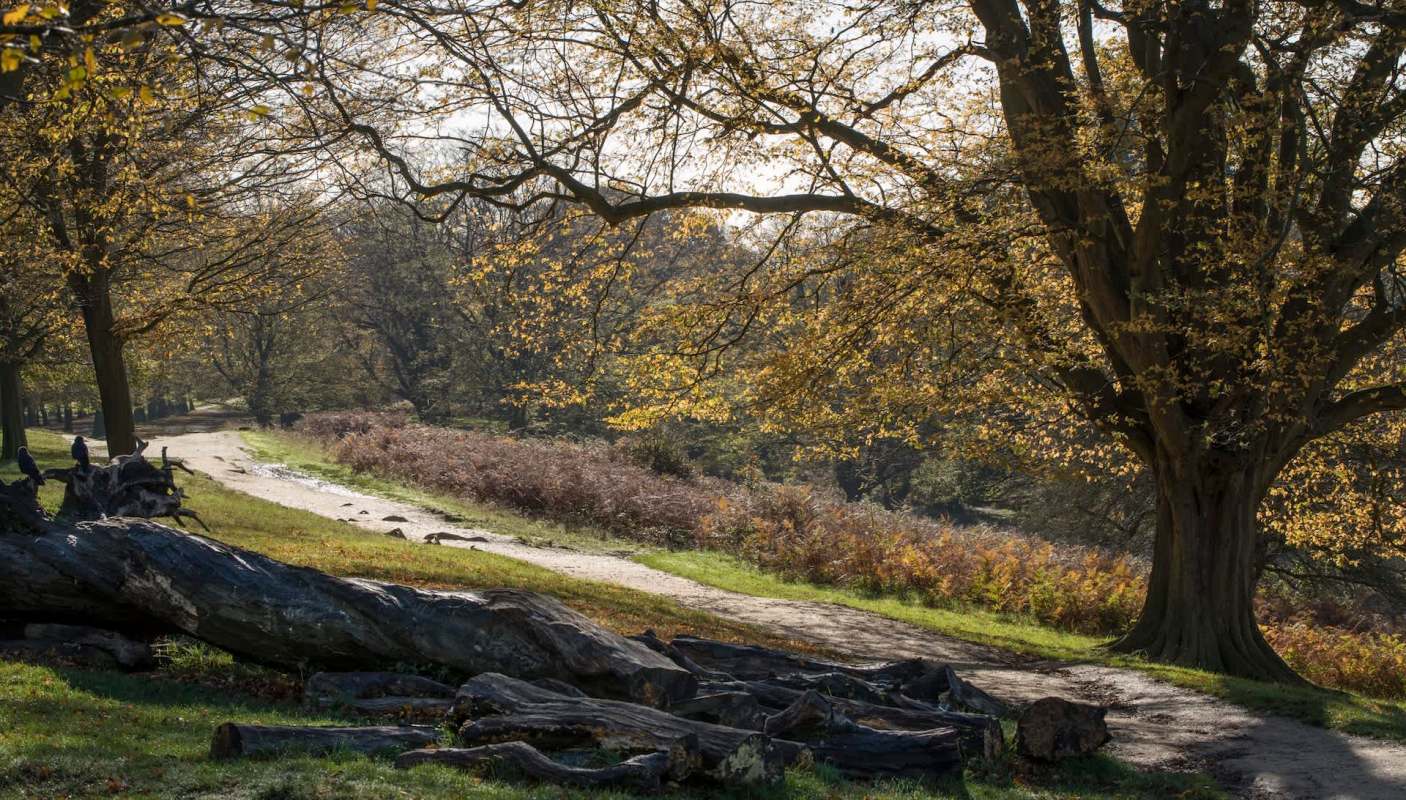
A city councillor in Richmond, British Columbia, is warning about the dangers of the invasive Himalayan blackberry.
What's happening?
The 106-acre Richmond Nature Park may be a lovely place to spend time. But its ecosystem is facing challenges from invasive species, including the Himalayan blackberry.
The city has made plans to clear out Himalayan blackberry brambles from the west side of the park. However, according to Richmond News, City Councillor Michael Wolfe, who advocated for more resources this year to tackle the problem, is equally concerned about the east side.
If nothing is done, Wolfe estimated that blackberry brambles would cover the park within a few years. The east side of the park is also home to several other invasive species, including Scotch broom, periwinkle, evergreen blackberry, holly, and English ivy.
Why is this concerning?
While invasive plant species generally spread rapidly and take over habitats by outcompeting native trees and plants for resources — like sunlight and nutrients — the Himalayan blackberry has a special advantage: It can self-pollinate.
Able to spread year-round without having to rely on pollinators, a single bush might quickly spawn five others, which can then each spawn five of their own, making growth difficult to contain.
This rapid growth could be detrimental to any region, but it may be particularly harmful in the Richmond area. Richmond is also home to salmonberries, which bloom at the same time the rufous hummingbird comes through on its migration route.
"They time their migration for their exodus up the coast with the opening of those flowers," Wolfe told Richmond News. "You don't want to replace things that have this co-evolution with other species. The only reason [rufous hummingbirds] can keep pushing further north when it's still our winter is because there are plants that they need to get their food from."
Invasive species can wreak havoc on ecosystems, lead to biodiversity loss, alter nutrient cycling in soil, and even worsen the impacts of extreme storms. This makes protecting and prioritizing native plant species and their habitats even more vital to the conservation of natural resources, the safeguarding of food systems, and limiting disease spread.
What is Richmond doing about Himalayan blackberries?
The city council approved funding for managing Himalayan blackberry plants in the park, including a dedicated truck for the project.
TCD Picks » Upway Spotlight
💡Upway makes it easy to find discounts of up to 60% on premium e-bike brands





|
What's the most you'd pay per month to put solar panels on your roof if there was no down payment?
Click your choice to see results and speak your mind. |
 $200 or more 💰
 Wolfe hopes that some funding will also go toward staff education about the differences between salmonberries and blackberries, as the plants look similar. If educational programs are made public, staff may even be able to engage well-trained volunteers willing to help remove the invasive plants.
Another excellent method for managing the Himalayan blackberry? Eat the berries, as has been encouraged by those seeking solutions to the same invasive plant in the United States' Pacific Northwest.

Get TCD's free newsletters for easy tips to save more, waste less, and make smarter choices — and earn up to $5,000 toward clean upgrades in TCD's exclusive Rewards Club.
Cool Picks






