


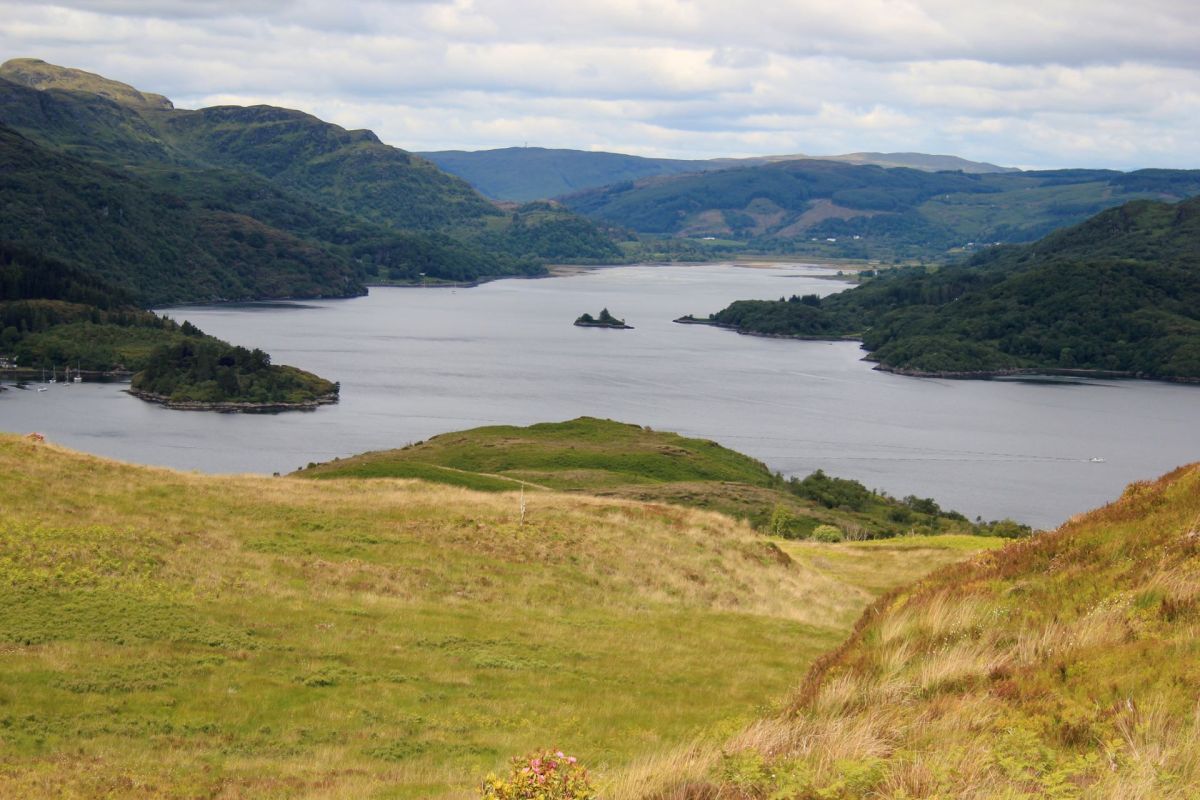
Two years of efforts to restore populations of European flat oysters in the seas around Scotland are paying off, as the transplanted shellfish are thriving, BBC News reported.
The east coast of Scotland used to support a thriving population of oysters, including the Firth of Forth. But WWF Scotland said the species has been absent from the area since 1957. At the same time, there was a surviving population of European flat oysters in Loch Ryan.
Beginning in 2023, almost 47,000 oysters have been transported from the loch to the Forth as part of the Restoration Forth project. There, they have been scattered across four sites and monitored to ensure that they have reestablished a healthy presence.
That effort has resulted in success. The population has had a survival rate of 88%, and there have been signs of significant growth in the surviving oysters.
"One oyster has grown 2.1 cm [0.83 in] in one year, which is hugely promising as in good environmental conditions we would expect growth of 1 cm [0.39 in] a year," said Dr. Naomi Kennon of Heriot-Watt University, whose dive team is monitoring the oysters, as relayed by BBC News.
Being able to return oysters to these waters is both an indicator of their health and a key to improving it further. These mighty little creatures also help us and our environment out a ton.
According to the World Wildlife Federation, a single oyster can filter up to 50 gallons of water a day. Though overfishing and other causes have vanished 85% of the world's oyster reefs, that could change with conservation. What's happening at the Firth of Forth could bring oysters back to some of their former glory.
While they can't do everything, oysters help keep our water clean. Their efforts mean we spend less money on cleaning our oceans. Protecting them is as crucial for our survival as it is for theirs.
Caitlin Godfrey of the Marine Conservation Society said the organization was "thrilled" to see how many oysters were surviving.
Godfrey added to BBC News, "This success is only possible thanks to the incredible support from volunteers, local communities, and partners who share our vision for ocean recovery. These oysters aren't just surviving — they're thriving, laying the groundwork for a healthier marine ecosystem and a brighter future for our seas."
TCD Picks » Quince Spotlight
💡These best-sellers from Quince deliver affordable, sustainable luxury for all




|
Should we be harnessing the ocean to power our homes? Click your choice to see results and speak your mind. |
 Absolutely 👍
Get TCD's free newsletters for easy tips to save more, waste less, and make smarter choices — and earn up to $5,000 toward clean upgrades in TCD's exclusive Rewards Club.
Cool Picks






