


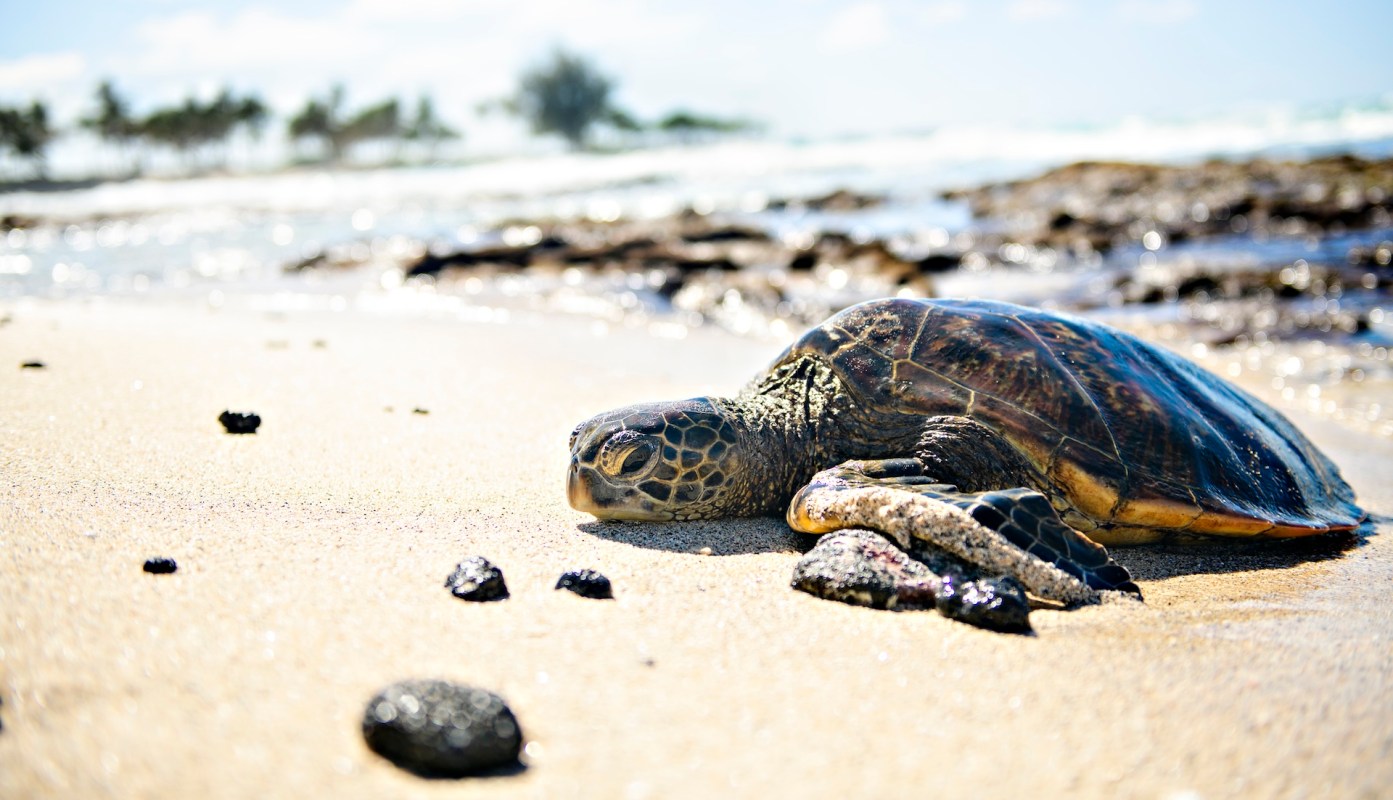
Rehabilitated sea turtles are set to return to the Atlantic months after being cold-stunned and rescued on Long Island.
What happened?
Six turtles were brought to the New York Marine Rescue Center in Riverhead for care after being rescued from Long Island beaches during cold-stunning season, according to the Suffolk Times.
After months of treatment, they are being released on Tiana Beach in Hampton Bays to make one final crawl across the sand. Three of them will be released with satellite transmitters so researchers can monitor their whereabouts and habitat patterns.
One of the turtles, Arugula, has an especially remarkable story, as this will be the turtle's second release. After first being found at Navy Beach in Montauk in December 2024, rehabilitated, and returned to the wild, Arugula got stranded again near the ferry dock in Port Jefferson Harbor following a separate cold-stunning incident.
During that second rescue, Captain Steve Schmitt slowed the Grand Republic so Arugula could be guided safely toward the dock with the help of dock supervisor Walter Rossler. After another round of rehabilitation, Arugula is ready to return to the ocean again.
Executive Director Maxine Montello said, "Arugula's journey is a remarkable example of how collaboration and compassion can make all the difference for wildlife in need."
TCD Picks » Quince Spotlight
💡These best-sellers from Quince deliver affordable, sustainable luxury for all




The rescue center recently released eight turtles in late July — four critically endangered Kemp's ridleys and four Atlantic green sea turtles. The Suffolk Times reported that with this release, the center will have returned 23 turtles to the wild, while 17 remain under their care — a hopeful reminder that rescue and rehabilitation efforts can make a real difference.
Why does it matter?
Without rescue and rehabilitation, many of these turtles would not survive. Cold stunning, similar to hypothermia in humans, happens when water temperatures drop before sea turtles are able to migrate south. Lower body temperatures cause turtles to become lethargic and lose their appetite. Eventually, they lose their strength to swim, leaving them vulnerable in the ocean to be washed ashore.
As extreme weather events continue to climb due to warming temperatures caused by human activity, conservation efforts are crucial and help to gather information that could make future rescues more effective. Better data can also help shape conservation planning that supports marine life and the communities that depend on healthy oceans.
What's being done?
The New York Marine Rescue Center continues to treat and release turtles once they are healthy enough to live on their own. Its partnership with the New York State Department of Environmental Conservation is also being used to collect more information through tracking technology.
"Every sea turtle we return to the ocean represents a second chance for an animal that would not have survived without intervention," Montello said in a statement reported by Riverhead News-Review.

Get TCD's free newsletters for easy tips, smart advice, and a chance to earn $5,000 toward home upgrades. To see more stories like this one, change your Google preferences here.







