


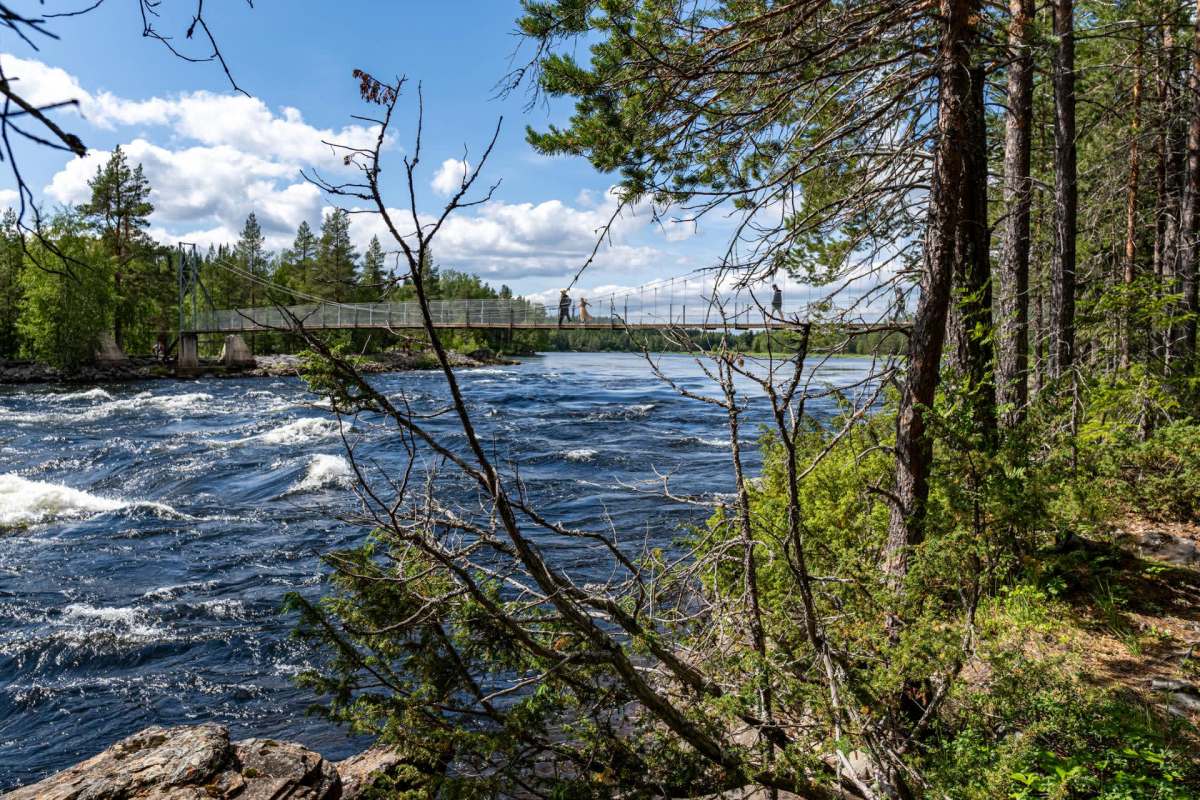
A once-blocked river in western Iceland is flowing freely again for the first time in decades after crews removed a crumbling dam that had long outlived its purpose.
That milestone is part of a much bigger shift across Europe, where a record number of river barriers were removed last year to help waterways, wildlife, and nearby communities recover.
A newly published analysis from Dam Removal Europe found that 602 river barriers, including dams, weirs, culverts, and sluices, were removed across the continent in 2025, the Guardian reported.
Together, those removals reconnected about 2,324 miles of rivers, moving the European Union closer to its 2030 goal of restoring 15,500 miles to a more natural state.
One of the most symbolic projects took place on Iceland's River Melsá, where a defunct dam was demolished in December. The structure had once powered a farm but had long since stopped producing electricity, while continuing to block fish migration.
Sweden recorded 173 removals, followed by Finland with 143 and Spain with 109. Iceland and North Macedonia each removed river barriers for the first time, while the United Kingdom took out 35.
TCD Picks » Quince Spotlight
💡These best-sellers from Quince deliver affordable, sustainable luxury for all




Hamish Moir, a river engineer from Scottish firm CBEC, said seeing the Melsá restored was "really rewarding."
Removing obsolete barriers can mean healthier waterways, stronger fisheries, and landscapes that function more naturally. It also affects recreation, local economies, and the costs of managing rivers.
Europe's rivers have been heavily altered for centuries for mills, hydropower, navigation, and urban development. According to the report, fragmentation has played a major role in ecological decline, including a 75% drop in freshwater migratory fish populations since 1970.
When fish can once again move upstream, and sediment can travel downstream, river systems become better able to support life.
This type of restoration can also help communities rethink outdated infrastructure that no longer delivers public value.
A growing coalition of environmental groups, engineers, and policymakers is advancing river reconnection. Dam Removal Europe tracks these projects, while the EU's nature restoration law, which took effect in 2024, specifically calls for the removal of obsolete barriers to reconnect rivers and lakes.
Many of the barriers taken out last year were small, and more than three-quarters stood under two meters tall (six and a half feet), making them relatively inexpensive and practical to remove. Some of the fastest progress may come from identifying low-value infrastructure and safely removing it.
Similar work is also underway beyond Europe. In the United States, 100 dams were removed last year, and conservation efforts in China have removed hundreds of dams on the Yangtze River in recent years.
"For centuries, Europe treated rivers as engines for economic growth," said Chris Baker, the director of the European branch of Wetlands International, per the Guardian. But now, "People increasingly understand that obsolete dams are not monuments that must stay [forever]. Many are simply ageing industrial relics causing ongoing ecological damage."

Get TCD's free newsletters for easy tips, smart advice, and a chance to earn $5,000 toward home upgrades. To see more stories like this one, change your Google preferences here.







