


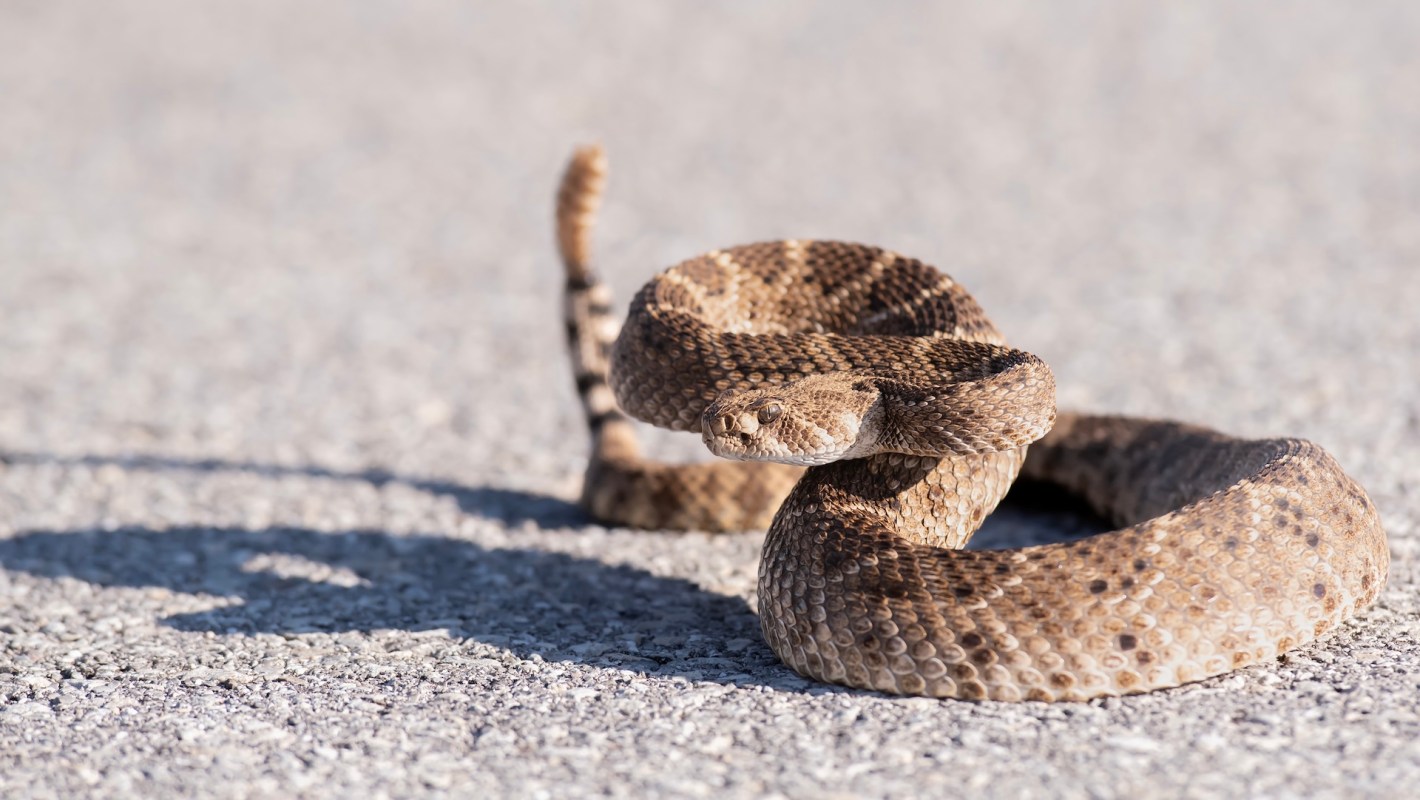
What looked at first like a carefully staged performance is actually footage of two large rattlesnakes in Thousand Oaks, California, lifting up and wrapping around one another beside a storm drain.
What's happening?
According to FOX Weather, the scene showed two snakes near drainage infrastructure in Thousand Oaks, California — a visual that by itself underscored how frequently wildlife now turns up in residential environments.
According to FOX Weather, the California Poison Control System received 77 calls about rattlesnake encounters and bites in early 2026, a number that skyrocketed to about 250 in the first 6 months of the year.
State poison control officials told FOX Weather that bites have been reported throughout California, with Southern California seeing them more often.
FOX Weather also reported that rattlesnakes tend to be most active between March and October, especially in warm periods when they come out to hunt and look for mates.
Why does it matter?
A bite from a rattlesnake is a medical emergency.
TCD Picks » Quince Spotlight
💡These best-sellers from Quince deliver affordable, sustainable luxury for all




Officials warn the venom can cause intense pain, rapid swelling, tissue damage, and, in rare cases where treatment is delayed, death.
Encounters like this can reflect the growing overlap between people and wildlife.
Neighborhood expansion, paved drainage systems, landscaped yards, and frequent outdoor activity can all increase the chances of accidental contact with wildlife — including dangerous creatures like rattlesnakes, bears, and big cats.
A BBC piece examined an uptick in such sightings and encounters, explaining that human activity and habitat disruption can bring people and wild animals into closer contact.
In Southern California, FOX Weather pointed to higher-than-average temperatures as a cause for rattlesnake encounters, noting that "rising temperatures prompt them to come out of hiding."
This novel proximity endangers humans and wildlife alike.
What can I do?
If a rattlesnake bites someone, treat it as an emergency immediately.
Experts urged the public to call 911 right away and go straight to the hospital in the event of a rattlesnake bite.
Giving snakes a wide berth is the most effective way to reduce the risk.
When walking, hiking, gardening or spending time around brush, rocks or drainage areas, watch where you step and where you place your hands. Keeping pets close and on a leash can also help reduce risky encounters.
Never try to approach, disturb or remove a snake on your own. Even one that seems motionless may strike in self-defense if it feels trapped.
"Three encounters have been fatal that we're aware of so far this year, which is highly unusual and deeply concerning," said Dr. Rais Vohra, Medical Director for the Fresno/Madera Division of the California Poison Control System.
"Although rattlesnakes generally avoid humans, accidental encounters can happen during warmer weather and outdoor activities," the CPCS said.

Get TCD's free newsletters for easy tips, smart advice, and a chance to earn $5,000 toward home upgrades. To see more stories like this one, change your Google preferences here.







