


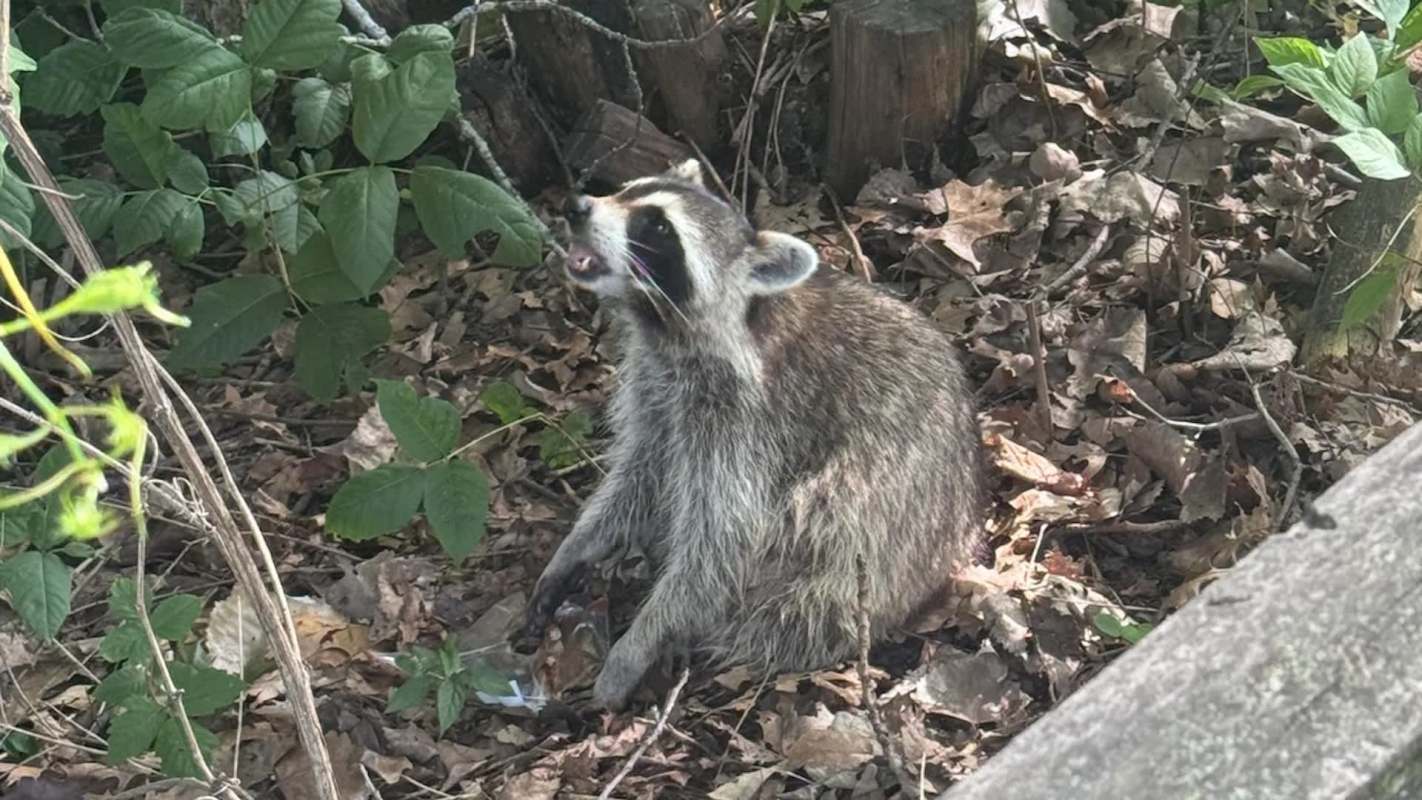
A quick snack break reportedly turned into an unexpected wildlife encounter when a cheeky raccoon slipped in close, grabbed a bag of trail mix, and ate it on the spot while the stunned bystander kept their distance.
The poster said the animal seemed aggressive enough that trying to stop it did not feel safe.
What happened?
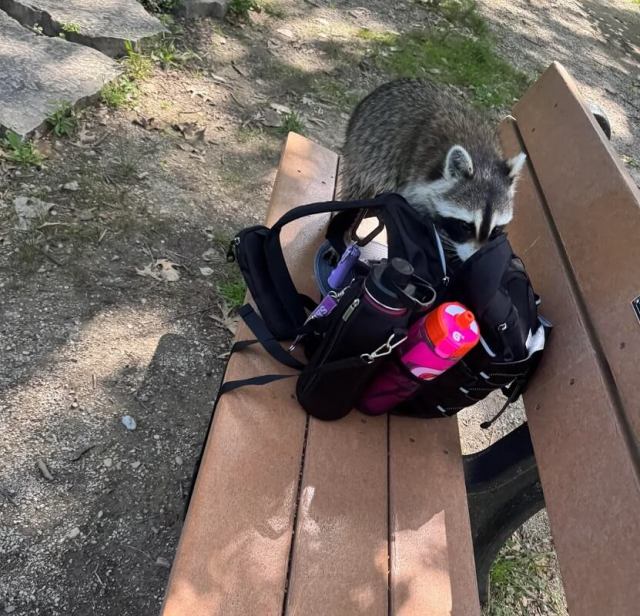
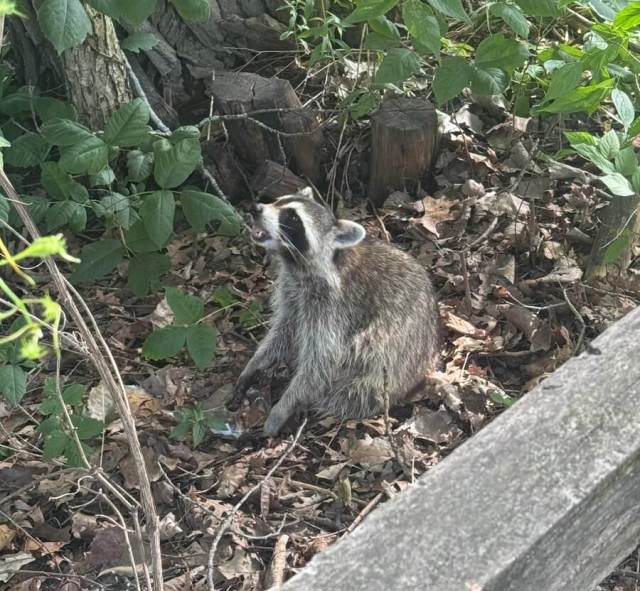
In the Reddit post, the original poster shared a photo of what looked like a hiking pack resting on a bench outdoors, with a good-sized raccoon seen inspecting the bag's contents. The next photo they shared showed the raccoon in a wooded area, looking up at a tree.
"SHE STOLE TRAILMIX OUT OF MY BAG AND ATE IT IN FRONT OF ME," the OP wrote.
OP also addressed why they didn't intervene.
"Also before anyone calls me irresponsible, yes I know," they wrote. "She snuck up on me and seemed kind of aggressive, so I didn't stop her because I [didn't] want her to attack me."
TCD Picks » Quince Spotlight
💡These best-sellers from Quince deliver affordable, sustainable luxury for all




"Luckily it was pretty healthy, it was mostly nuts and dried fruit (a little bit of chocolate)," they added. After the animal was finished, the poster said they retrieved the plastic bag.
Why does it matter?
Raccoons are notorious food thieves capable of opening containers with their dextrous paws. Once a wild animal gets access to human food, it can start associating people, backpacks, cars, and camp areas with easy calories. That can make future encounters riskier for hikers, campers, nearby residents, and pets.
Human activity is often part of the setup. More recreation in wildlife habitat, development near forests, and unsecured food or trash can all make wild animals bolder over time.
Wild animals that become food-conditioned may start raiding campsites, damaging property, or returning to human spaces again and again. Attacks and aggressive encounters are often tied to the ways humans change landscapes and create more opportunities for close contact.
In some cases, that can end with officials relocating or euthanizing animals deemed a public safety threat.
What can I do?
Keep food packed away, use secure food storage when available, and don't leave snacks unattended, even briefly. If an animal approaches, creating distance and avoiding escalation is generally safer than trying to defend a bag of food.
Communities and park agencies are also trying to reduce these conflicts through wildlife-proof trash cans, food storage rules, and public education.
Similar examples show how quickly easy access to human food can change animal behavior, turning one careless moment into a recurring problem for both wildlife and people.
"See this mask? You about to find out what it means," one user joked, referring to the raccoon's iconic "bandit" mask.
"God forbid a woman eat a snack," another person joked.
When one commenter asked about the raccoon's weight, OP responded, "She actually had rolls for days … (i don't think she was overweight, just well fed lol)."

Get TCD's free newsletters for easy tips, smart advice, and a chance to earn $5,000 toward home upgrades. To see more stories like this one, change your Google preferences here.







