


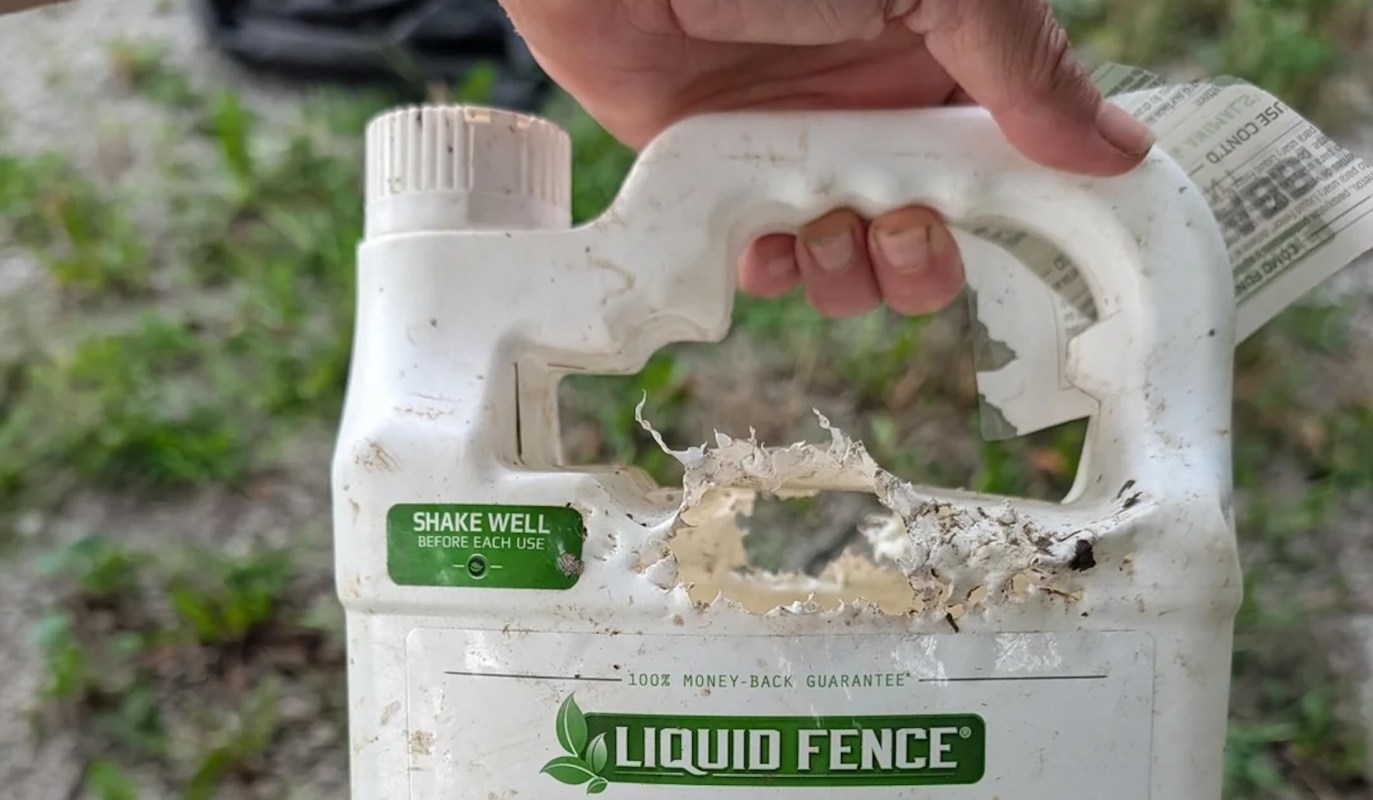
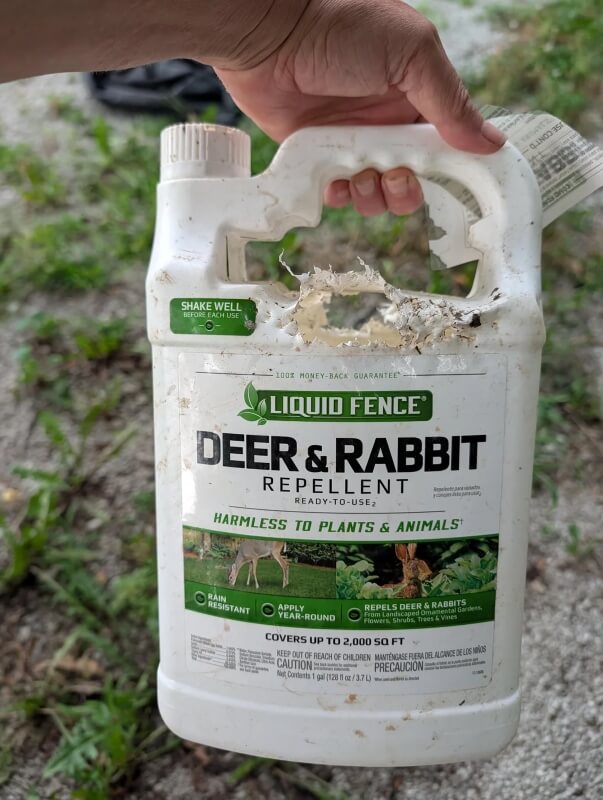
A gardener took to Reddit after discovering a strange scene in their yard: an animal had apparently wandered into their open garage, dragged a bottle of Liquid Fence repellent outside, chewed through the packaging, and emptied its contents.
What happened?
In a post on the r/gardening subreddit, the homeowner explained that they found the wildlife repellent emptied and a bag of fertilizer scattered across the yard, prompting them to ask what kind of animal could have caused the mess. Their main theory was a raccoon.
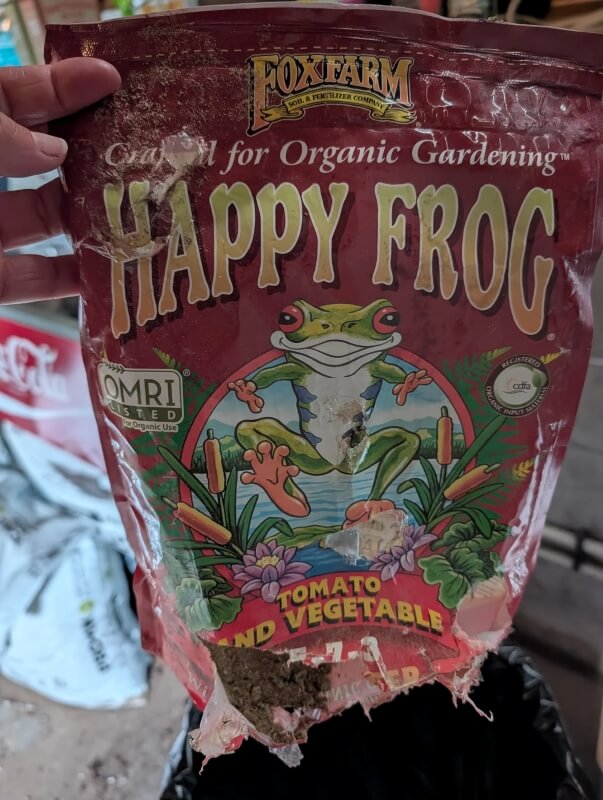
Commenters agreed, saying raccoons were the most likely culprits.
"I concur with racoon, those dudes will try anything once," one user commented.
Other gardeners added that they had seen raccoons, dogs, and other animals go after similarly pungent soil amendments and fertilizer products, especially when partially used bags or bottles were left where animals could easily reach them.
Why does it matter?
Fertilizers, compost, pet food, overflowing trash cans, and even some pest-control products can create scent trails that attract curious animals. Raccoons, in particular, are highly adaptable and often thrive in suburban and urban environments where they can easily find food and shelter.
TCD Picks » Quince Spotlight
💡These best-sellers from Quince deliver affordable, sustainable luxury for all




Once raccoons identify a reliable source of interesting smells, they may continue returning to investigate. While the damage in this case appears to have been limited to scattered garden supplies, repeated visits can result in dug-up planting beds, overturned containers, damaged storage areas, and other unwanted encounters around sheds, garages, and trash bins.
What can I do?
This story offers an important reminder that, if you're using fertilizers, pesticides, or other products that could attract animals, the simplest mitigation step is also the most effective: store them securely. Keep bags and bottles in a sealed bin, garage, or shed rather than leaving them outside overnight.
Gardeners can also reduce other attractants by securing trash, covering compost, and avoiding leaving pet food outdoors. Motion-activated lights or sturdier fencing may help in some situations, but reducing the smell incentive is usually the first place to start.

Get TCD's free newsletters for easy tips, smart advice, and a chance to earn $5,000 toward home upgrades. To see more stories like this one, change your Google preferences here.






