


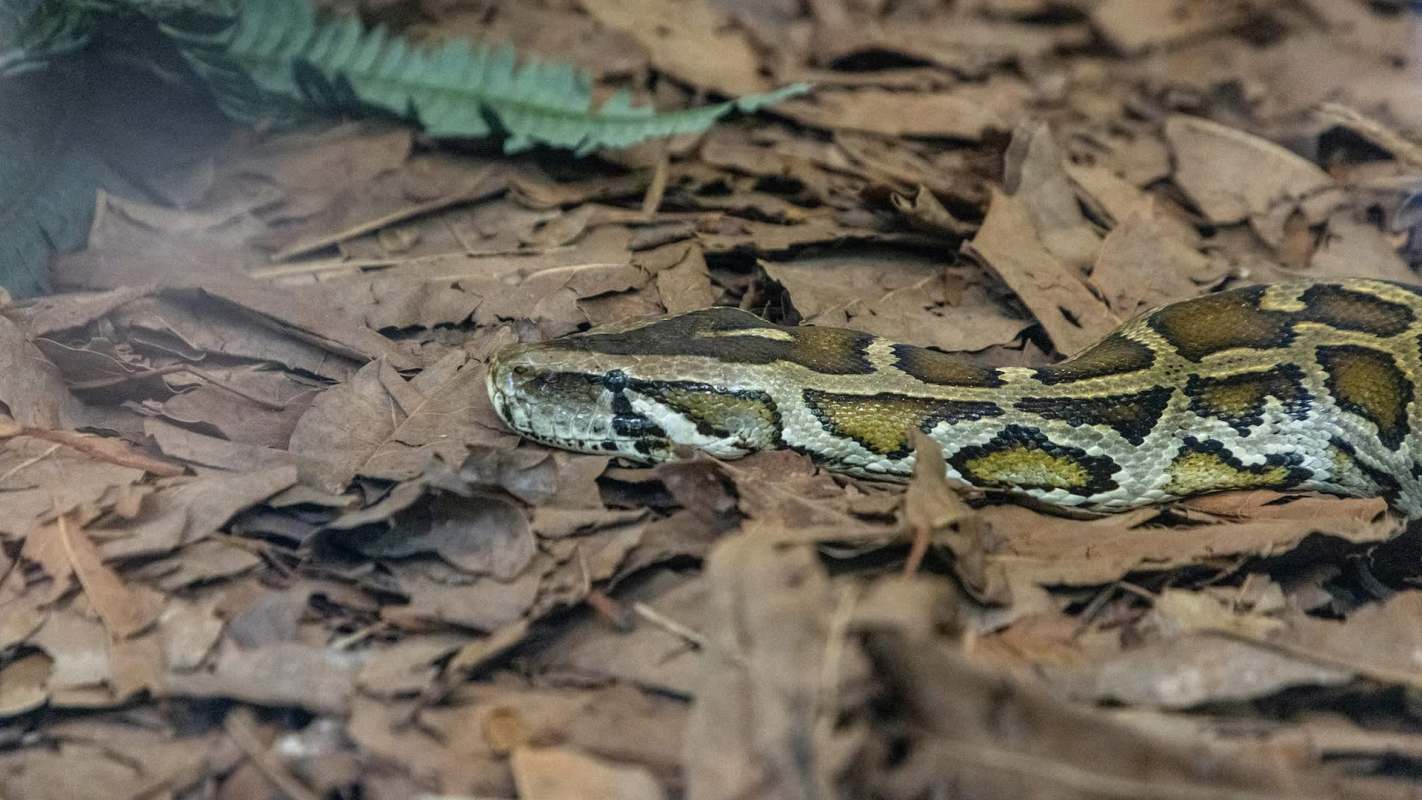
Social media videos often make python hunting in Florida look like a quick operation.
But NBC 6 joined an overnight search in the Everglades, which revealed a much slower and more demanding reality when it comes to locating and securing the invasive snakes.
What's happening?
On one nighttime outing in the Florida Everglades, experienced python hunter Bayo Hernandez spent roughly eight hours driving and scanning the roadside before coming across a snake that was about seven feet long.
For Hernandez, the long stretches of searching are the part that short online clips usually miss.
"Social media makes it look so easy," Hernandez told NBC 6. "If you think it's easy, come and try it. Come out here. Spend hours. Drive for miles. Days and months. It's hard."
Even when the weather and timing seem ideal, spotting one of the invasive snakes is never guaranteed. Hunters look for subtle colors and patterns along dark vegetation and road edges, and Hernandez told the station that luck still plays a major role.
TCD Picks » Quince Spotlight
💡These best-sellers from Quince deliver affordable, sustainable luxury for all




"You can put perfect weather, perfect temperature or perfect humidity, and all the perfect factors can line up," he said. "But at the end, you rely on the luck factor."
South Florida's unusually dry conditions this year have made pythons harder to locate and less visible, Hernandez noted.
Why does it matter?
Burmese pythons are far more than an internet curiosity. They are a serious invasive threat to native wildlife in the Everglades, where they can disrupt food webs and put added pressure on animals that belong in one of the nation's most important ecosystems.
The consequences reach beyond wildlife alone. Healthy wetlands help support water systems, tourism, outdoor jobs, and the broader environmental balance that communities across South Florida depend on. Slowing the spread of invasive predators is part of protecting that natural infrastructure.
Hernandez also warned the station that the issue will not remain contained if removals begin to slow. He said the snakes will make their way to new areas as conditions warrant.
"If there's no food down south, guess where they're going to go?" Hernandez posed to NBC 6. "They're going to go up north looking for food."
What's being done?
Python removal is already a major part of Florida's response. The South Florida Water Management District's Python Elimination Program has taken more than 12,000 pythons out of the Everglades ecosystem since it began in 2017.
Officials see efforts such as the Florida Python Challenge and ongoing removals by hunters like Hernandez as important tools for protecting native species.
These programs are not an overnight fix, but they do apply steady pressure to an invasive population that can otherwise expand quickly. It's clear that this is a challenge for the committed and patient.
"It takes hours of this," Hernandez told NBC 6.

Get TCD's free newsletters for easy tips, smart advice, and a chance to earn $5,000 toward home upgrades. To see more stories like this one, change your Google preferences here.







