


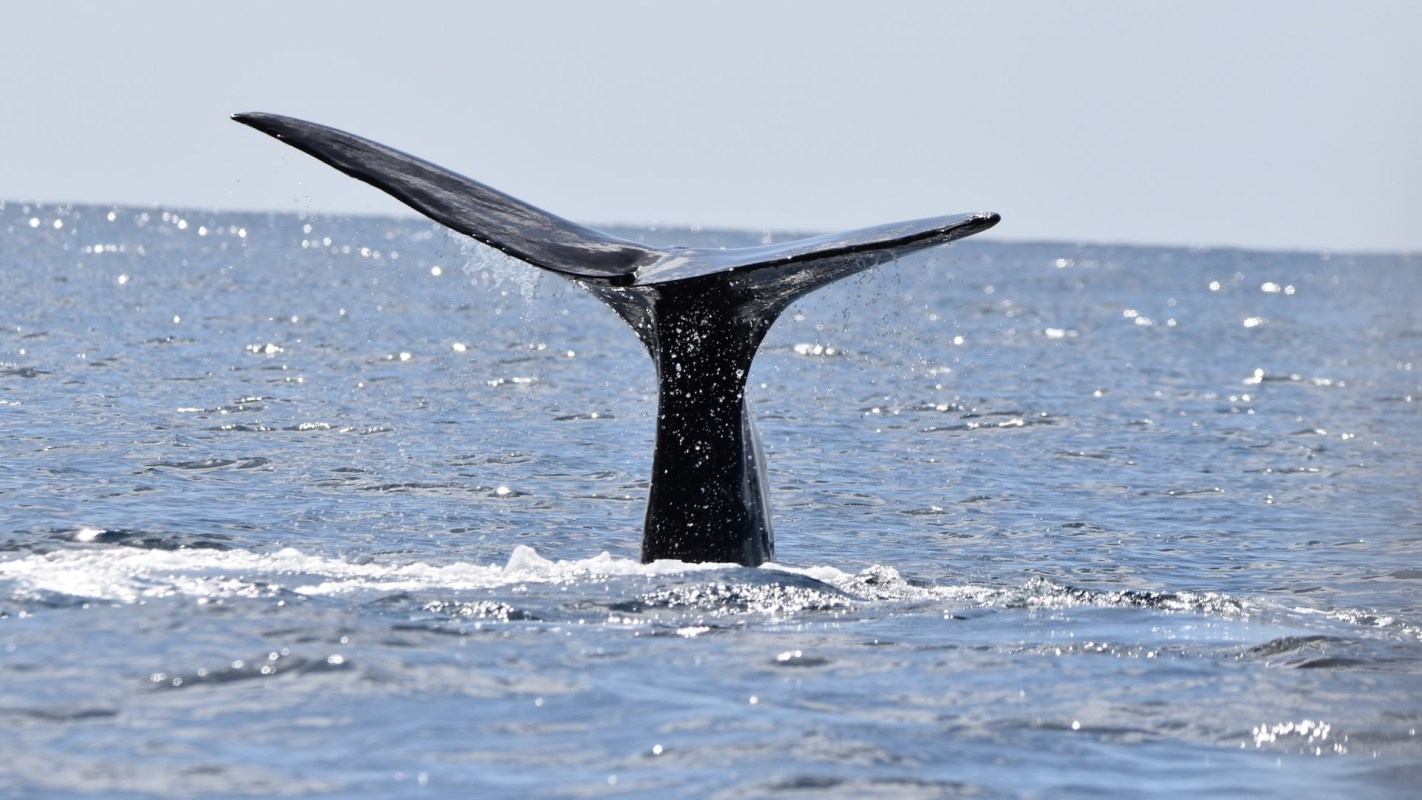
Researchers identified the growing amount of plastic pollution as the culprit behind the recent death of a rare marine mammal, according to Earth.com.
What's happening?
In mid-August, officials with the Kanahau Utila Research and Conservation Facility in Honduras responded to calls of a rare pygmy sperm whale that appeared to be in distress.
They arrived in the eastern harbor of Utila, where a whale reportedly attempted to beach itself multiple times throughout the day.
The organization provided a sobering update in a social media post.
KWC explained that the animal was identified as a juvenile pygmy sperm whale. Despite attempts to rescue the whale, it unfortunately succumbed to its injuries.
After conducting a necropsy, officials determined that the young pygmy whale had a nearly empty stomach. The only contents found were a "torn, non-degradable plastic bag" and a "heavy parasitic nematode infestation."
KWC believed that this may have contributed to the animal's digestive issues and life-threatening injuries.
Why is the death of this pygmy whale concerning?
While it's not clear where the pygmy whale originated, its brief appearance marked the first time the species was sighted in Utila.
As KWC noted, that made the young whale's death even more disturbing.
"This rare and tragic event highlights the devastating impacts of ocean plastics on Utila's marine life," the organization observed.
TCD Picks » Quince Spotlight
💡These best-sellers from Quince deliver affordable, sustainable luxury for all




|
Do you think America has a plastic waste problem? Click your choice to see results and speak your mind. |
 Definitely 👍
 According to a report from the United Nations Environment Programme, around 6.9 billion tons of primary plastic waste have been generated since 1950.
Since the overwhelming majority of plastic is not biodegradable, it can take centuries for plastic products to break down.
While much of this plastic winds up in our overflowing landfills, another 19 to 23 million tons finds its way into waterways.
What's being done about plastic pollution?
For years, the UN has been negotiating a legally binding plastics treaty to address the entire plastic lifecycle, from production to waste management.
This agreement also aims to promote more circular-economy principles and to push for the adoption of viable alternatives to single-use plastics.
Although recycling efforts can certainly help reduce the amount of plastic produced and discarded each year, proponents of the UN Plastics Treaty argued that tackling the issue at its source would greatly enhance the effectiveness of plastic-free initiatives.
"We will not recycle our way out of the plastic pollution crisis: we need a systemic transformation to achieve the transition to a circular economy," said Inger Andersen, UNEP executive director.

Get TCD's free newsletters for easy tips to save more, waste less, and make smarter choices — and earn up to $5,000 toward clean upgrades in TCD's exclusive Rewards Club.
Cool Picks




