


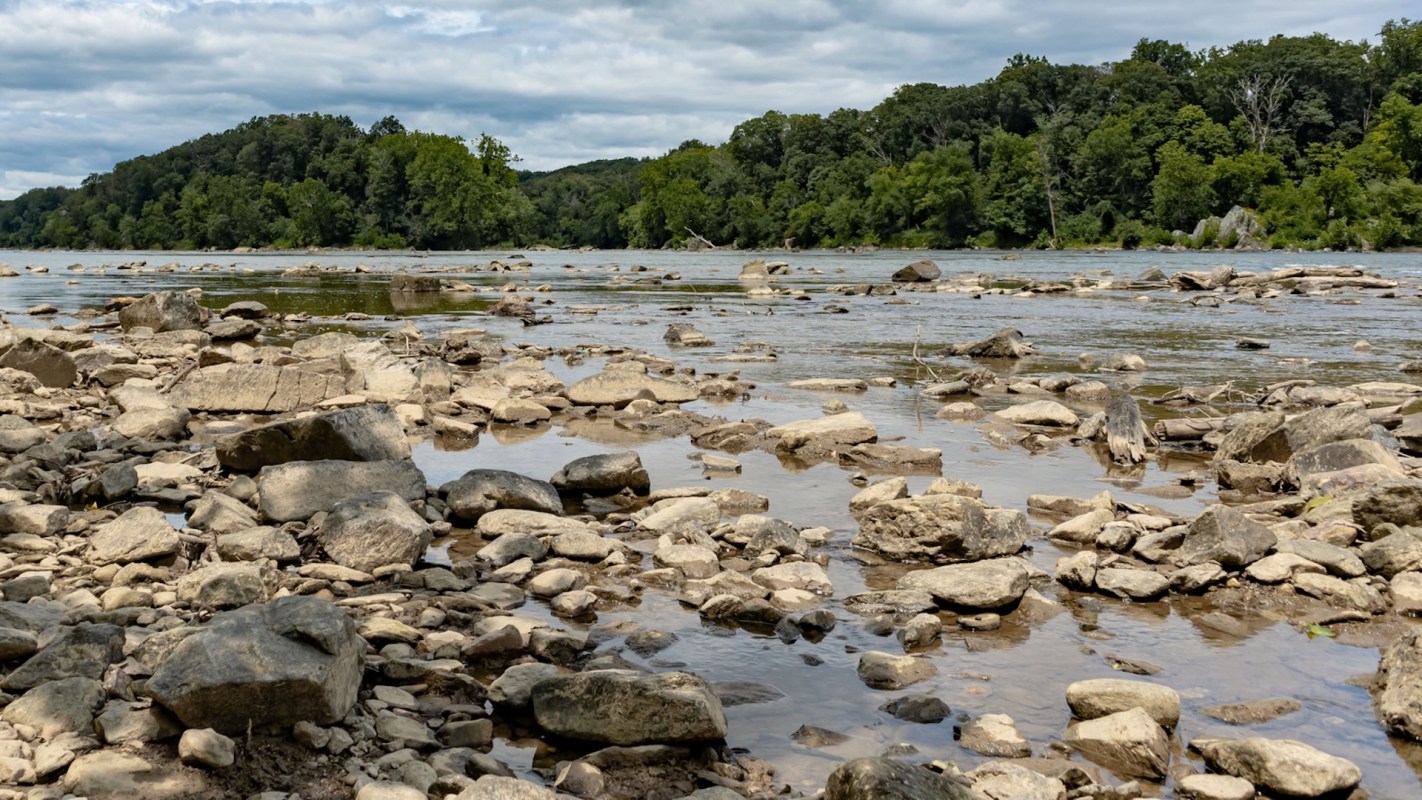
A new study warns that rising temperatures, together with varied precipitation, may trigger "hot drought," threatening the water supply in and around D.C.
What's happening?
Local news outlet WTOP reported on concerns illustrated in a new study from the Interstate Commission on the Potomac River Basin that indicates "hot drought" could make it harder to source drinking and other water from the river.
Although rainfall is expected to increase over the next 75 years, hot drought — drought made stronger by heat — could cause the Potomac's levels to drop substantially.
Cherie Schultz, co-author of the study published in June in the Journal of the American Water Resources Association, explained that high temperature tends to increase evaporation.
"It leads to more evaporation from the ground, and from water surfaces, to that effect will counteract the phenomena of increased precipitation," Schultz told WTOP.
Why is this concerning?
The Potomac River is the primary source of drinking water for Washington, D.C., and much of the surrounding region, according to the Potomac Riverkeeper Network.
A significant drop in water levels could disrupt rivers, reservoirs, and groundwater systems. Water scarcity could impact communities as well as animals and plant life.
While droughts have always occurred periodically, rising global temperatures are acting like steroids for extreme weather events, including droughts, making them more destructive and harder to manage. If this trend continues, some places in the world would be too hot to live in, the National Aeronautics and Space Administration has predicted.
What's being done about the issue?
The United States Army Corps of Engineers is already studying ways to increase backup water supplies for the region, WTOP reported. Utility companies are also updating their drought models to anticipate shortages sooner.
Taking a big-picture view of the problem, households, businesses, and whole neighborhoods shifting to cleaner, more efficient energy systems can help reduce heat-trapping pollution to curb the rising temperatures that fuel droughts.
TCD Picks » Quince Spotlight
💡These best-sellers from Quince deliver affordable, sustainable luxury for all




|
Do you worry about having toxic forever chemicals in your home?
Click your choice to see results and speak your mind. |
 Majorly 😥
 Implementing new technologies, such as hydropanels, can also help protect against scarcity by essentially pulling water from the air.
Droughts have long been a part of life on Earth, but today's conditions are different. Individuals and municipalities can take action now by exploring critical environmental issues and implementing local initiatives to build resilience.

Join our free newsletter for good news and useful tips, and don't miss this cool list of easy ways to help yourself while helping the planet.
Cool Picks






