


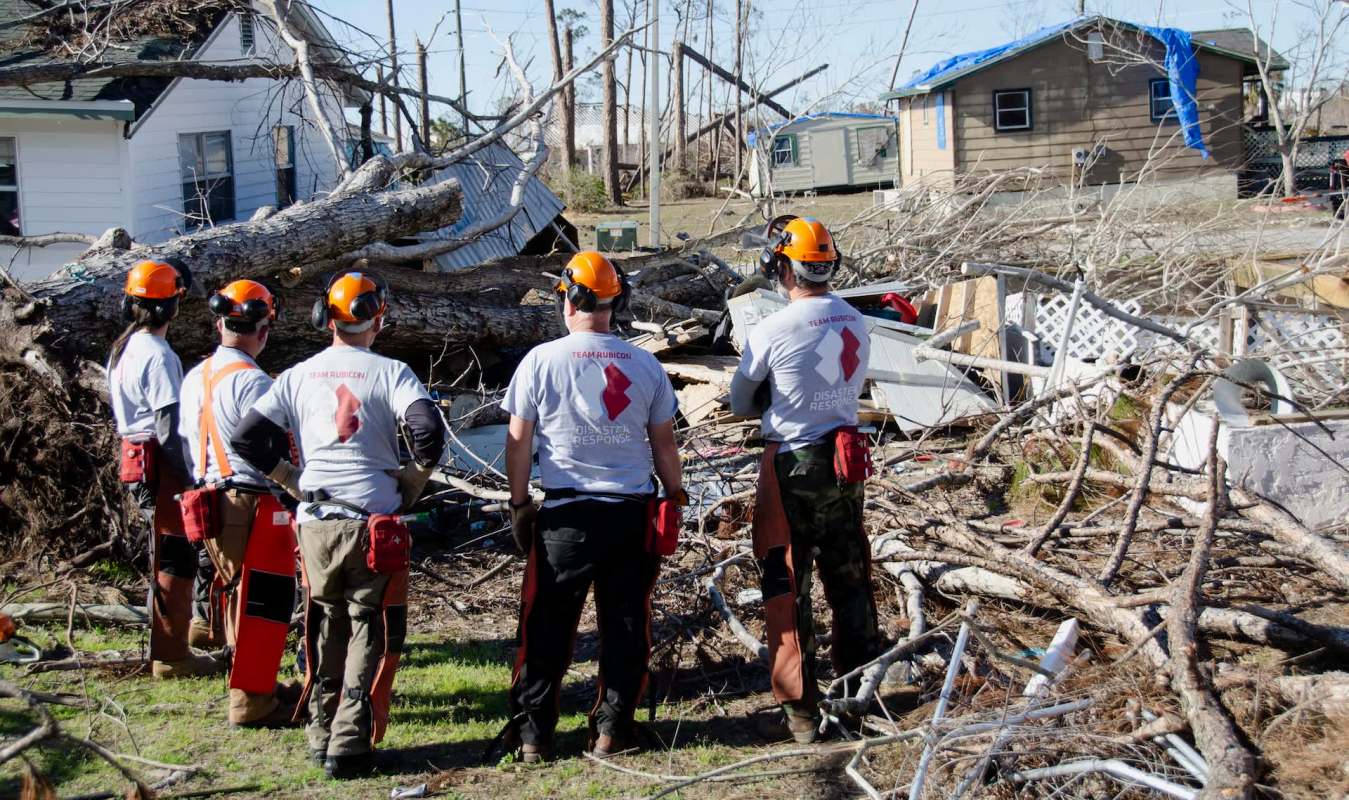
Extreme heat after hurricanes poses a deadly risk to recovery crews, with post-storm heat killing as many people as the storms themselves in one instance, reported Grist.
What's happening?
Researchers at the University of Georgia examined what happened after Hurricane Beryl hit Texas in July 2024, and their findings appeared in GeoHealth, a peer-reviewed journal.
Beryl killed 14 people during the storm; drowning and flying debris were among the causes.
Heat exposure claimed an equal number of lives in the days that followed.
"You had as many deaths associated with heat as you did from these direct effects," said lead author Andrew Grundstein. "So I think heat really is a problem we need to think about, especially when power goes out."
The study examined crews performing grueling outdoor labor, such as removing wreckage and restoring electrical systems.
Many crew members travel in from cooler parts of the country, so their bodies aren't prepared for the intense Southern temperatures they face on the job.
Why is post-hurricane heat concerning?
Hurricane season mostly overlaps with the hottest time of year, and the areas that get battered most sit in the warmest parts of the country.
That's a terrible combination for anyone doing strenuous work outdoors.
Our warming planet is pushing temperatures higher and stretching the hot season deeper into September and October, when storms are most active.
TCD Picks » Quince Spotlight
💡These best-sellers from Quince deliver affordable, sustainable luxury for all




|
Which of these savings plans for rooftop solar panels would be most appealing for you?
Click your choice to see results and earn rewards to spend on home upgrades. |
 Save $1,000 this year 💸
 An ordinary July afternoon in Houston is already dangerous for anyone performing long hours of physical labor without sufficient breaks.
"If you have more hot days, that certainly would increase the risk," Grundstein said. "If the season expands, the warm season, that could also potentially increase the risk to people."
When storms knock out electricity, workers lose access to climate-controlled spaces, leaving them with fewer options to lower their body temperature between shifts.
What's being done about it?
The study recommended developing heat safety plans tailored to the unique demands that follow a major storm.
Sending additional staff to affected areas allows crews to rotate more frequently, giving everyone more downtime, and wearable cooling gear is an option when air conditioning is unavailable.
People living in a hurricane-prone area can pitch in by volunteering with local disaster relief groups or donating to organizations that equip and support cleanup crews.
After a storm, check on your neighbors, particularly anyone with health conditions who may struggle in the heat.

Get TCD's free newsletters for easy tips to save more, waste less, and make smarter choices — and earn up to $5,000 toward clean upgrades in TCD's exclusive Rewards Club.
Cool Picks






