


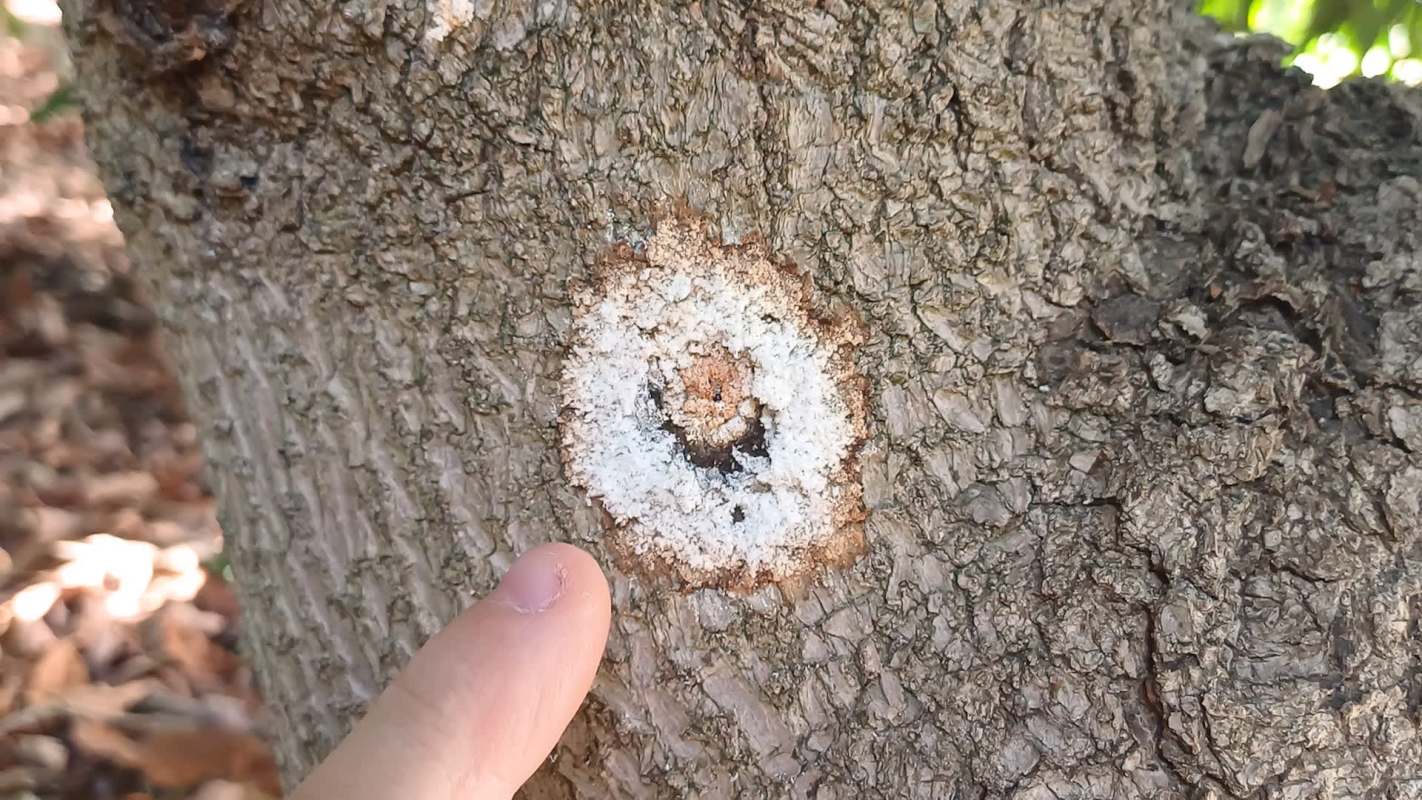
Researchers have conducted an in-depth study of the life cycle of a tiny but mighty species and projected where it may next appear.
What's happening?
Scientists at Curtin University in Australia have mapped areas vulnerable to the polyphagous shot hole borer, or PSHB. They recently published their findings in the Journal of Biogeography, showing where the invasive species is most likely to spread.
PSHBs are small beetles that can carry a fungus capable of depriving trees of nutrients. Having already affected the Perth area in Western Australia, the Curtin researchers warn that the insect could next spread to the east.
"The biggest risk is the beetle hitchhiking long distances in infested plant material such as unseasoned firewood or green wastes," lead study author Andrew Coates said in a university release. "If it reaches the east coast, the impact on urban trees, bushland, and crops could be very serious."
The researchers also applied their model to other regions, including California, South Africa, and South America.
Why is this concerning?
PSHBs are native to Southeast Asia but have been introduced to other regions through human activity. In Australia, the PSHB has already spread throughout Perth, causing significant tree damage.
The outbreak is so considerable that local officials have abandoned eradication plans and opted to control it instead. Pest management can be costly, and taxpayers can end up paying substantial sums related to invasive species. These plants and animals can outcompete resident species for natural resources, spreading widely and disrupting ecosystem balance.
What's being done?
Studies like Curtin's can help researchers and local officials track the spread of introduced nuisance species. The scientists have developed an app called the PSHB Survey Planner, which predicts outbreaks and helps residents monitor the pest.
|
Which of these savings plans for rooftop solar panels would be most appealing for you?
Click your choice to see results and earn rewards to spend on home upgrades. |
 Save $1,000 this year 💸
Get TCD's free newsletters for easy tips to save more, waste less, and make smarter choices — and earn up to $5,000 toward clean upgrades in TCD's exclusive Rewards Club.
Cool Picks






