


A critically endangered eagle has returned to one of its few remaining habitats after a two-year absence, according to a recent wildlife survey.
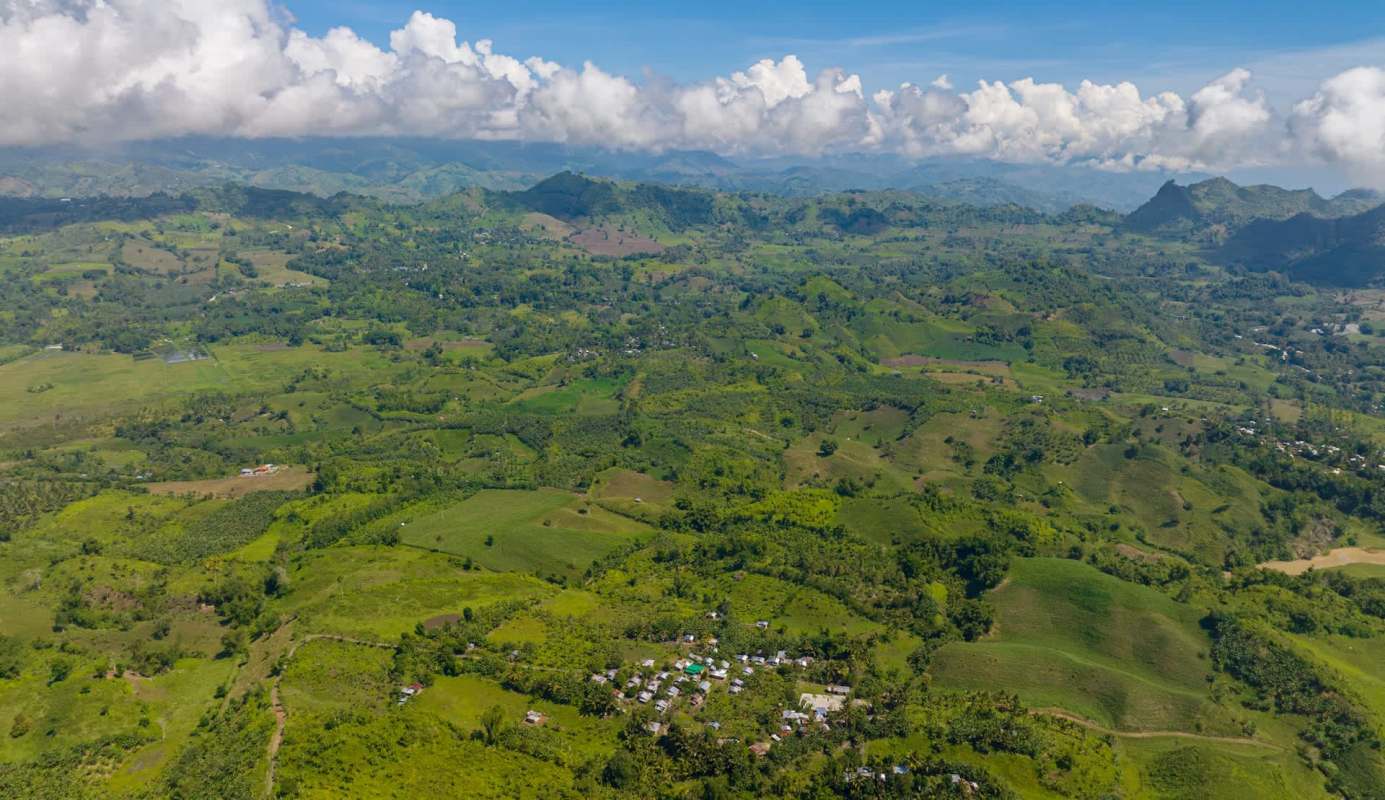
The GMA network reported that a Philippine eagle, one of the largest raptors in the world, was spotted in the skies over Mt. Sinaka in Cotabato on the island of Mindanao. The area is one of its smallest natural habitats, but it offers a safe nesting site in the mountains and enough prey for a breeding pair to rear chicks.
A spokesperson for the Department of Environment and Natural Resources for Region 12 (DENR-12) said the area's designation as a critical habitat: "[It] has opened opportunities for funding and resource allocation to support continued research, conservation programs, and sustainable management practices vital for the survival of the Philippine eagle and other endangered species in the area."
The Philippine eagle is the nation's national bird and is found only on the islands of Leyte, Luzon, Mindanao, and Samar. Its size and spiky crest make it instantly recognizable. They were once more widespread, but species endemic to island nations are particularly vulnerable to habitat destruction. Extensive deforestation in the Philippines has caused its many unique species to suffer sharp population declines. There are only around 400 breeding pairs left in the wild.
As a large raptor, the Philippine eagle fulfills a key role in maintaining the balance of the food web in the country's few remaining forests as an apex predator. Known by some locals as the "monkey-eating eagle," the Philippine eagle has a slightly more varied diet than the legends suggest. They use both still and perch hunting techniques to conserve energy while scouting for prey, but once they commit to the hunt, they move with breathtaking speed and power.
The story underlines the importance of regularly monitoring an area's wildlife with cameras to identify and prioritize critical habitats for protection. The information gleaned from the survey will also help raise awareness of the challenges this magnificent bird faces. There's a long road ahead, but with enough knowledge and will, the Philippine eagle can soar again.
|
Do you think America does a good job of protecting its natural beauty? Click your choice to see results and speak your mind. |
 Definitely 👍
Get TCD's free newsletters for easy tips to save more, waste less, and make smarter choices — and earn up to $5,000 toward clean upgrades in TCD's exclusive Rewards Club.
Cool Picks




