One of the largest glaciers in South America is retreating faster than researchers expected, ABC News reported. This raises fresh concerns about how quickly our planet's frozen frontiers are changing — and what that means for communities worldwide.
A study published in Communications Earth & Environment details how the 18.6-mile-long Perito Moreno Glacier in Argentina's Patagonia region is melting at a rate that has scientists "baffled," per ABC News.
Research suggested it may have already reached a tipping point, one that could cause the entire glacier to retreat rapidly.
What's happening?
According to the study, satellite data and field surveys from the last several years show that the glacier has been losing mass, particularly since 2019. What's troubling scientists isn't just the speed of the retreat — it's how the glacier appears to have crossed a geological threshold.
Since ice is rapidly retreating, the glacier risks detaching from the bedrock ridge that's believed to give it stability. In their paper, researchers found the glacier is thinning at an "accelerated" rate, which could pave the way for even faster loss.
The study's lead author, Moritz Koch, said, per ABC News: "We do see that the stability of the glacier has come to an end, and it has, well, surpassed a tipping point. That's why we see this retreat happening."
Perk up the winter blues with natural, hemp-derived gummies Camino's hemp-derived gummies naturally support balance and recovery without disrupting your routine, so you can enjoy reliable, consistent dosing without guesswork or habit-forming ingredients. Flavors like sparkling pear for social events and tropical-burst for recovery deliver a sophisticated, elevated taste experience — and orchard peach for balance offers everyday support for managing stress while staying clear-headed and elevated.
Learn more → |

Why is the melting of the glaciers concerning?
Glacier melt isn't just a polar issue — it's also a local and global one.
The International Cryosphere Climate Initiative shared that glaciers provide a critical source of freshwater for drinking and farming in regions such as Patagonia. When they disappear, that vital resource goes away with them.
Globally, melting glaciers raise sea levels, which increases flood risks during hurricanes and other extreme storms. Perito Moreno is not alone. Other iconic glaciers, like those in Greenland and Antarctica, have shown similar warning signs in recent years.
What's being done about the melting glaciers?
To protect communities from rising waters, governments and organizations are investing in better infrastructure, urban drainage systems, and early warning systems. Groups like the World Glacier Monitoring Service continue to track changes and sound the alarm.
TCD Picks » Upway Spotlight
💡Upway makes it easy to find discounts of up to 60% on premium e-bike brands

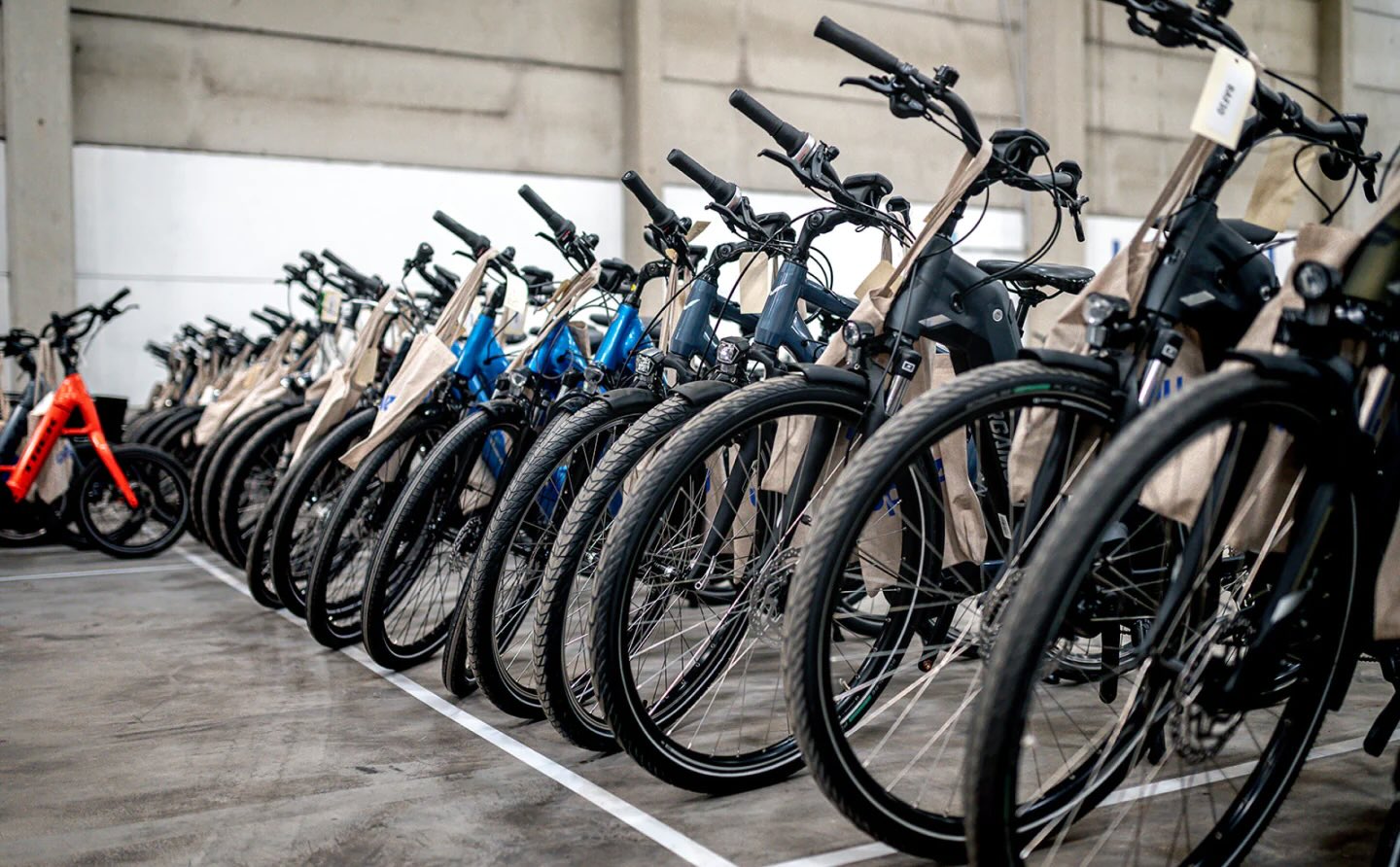
At an individual level, people can help reduce the pollution heating our planet by choosing greener transportation options and supporting policies that back more affordable energy sources. Talking openly about critical environmental challenges can also help boost awareness.
|
Do you worry about having toxic forever chemicals in your home?
Click your choice to see results and speak your mind. |
 Majorly 😥
Join our free newsletter for good news and useful tips, and don't miss this cool list of easy ways to help yourself while helping the planet.
Cool Picks