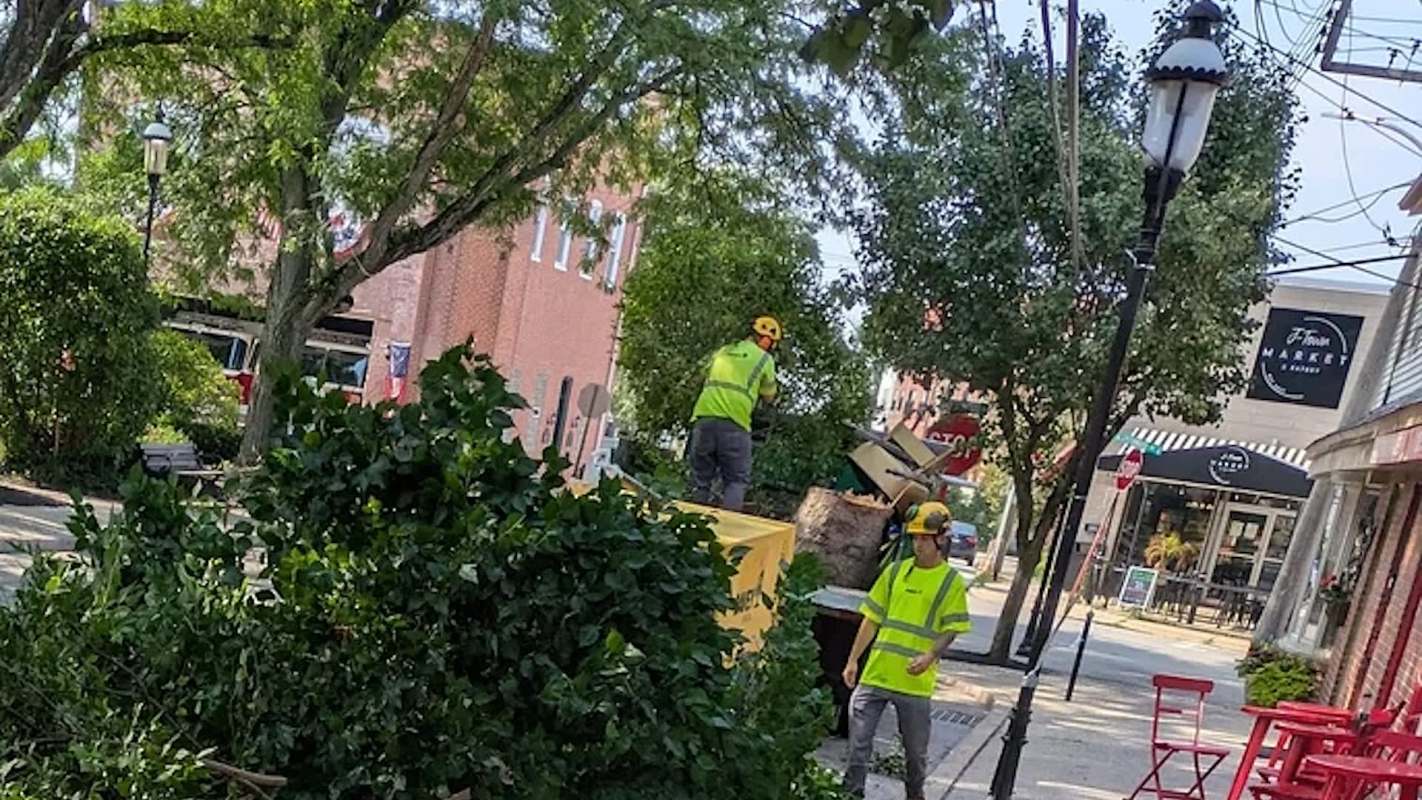
A Pennsylvania resident said a yearslong campaign to get local officials to act has finally resulted in the removal of invasive Amur honeysuckle from the town square.
The borough did not address the shrubs until after a decade of repeated requests, even as the plants continued spreading through the area.
What happened?
The original poster wrote, "It took ten years of advocating (nagging) every council member and borough employee who would listen, but I finally got these damned shrubs removed."
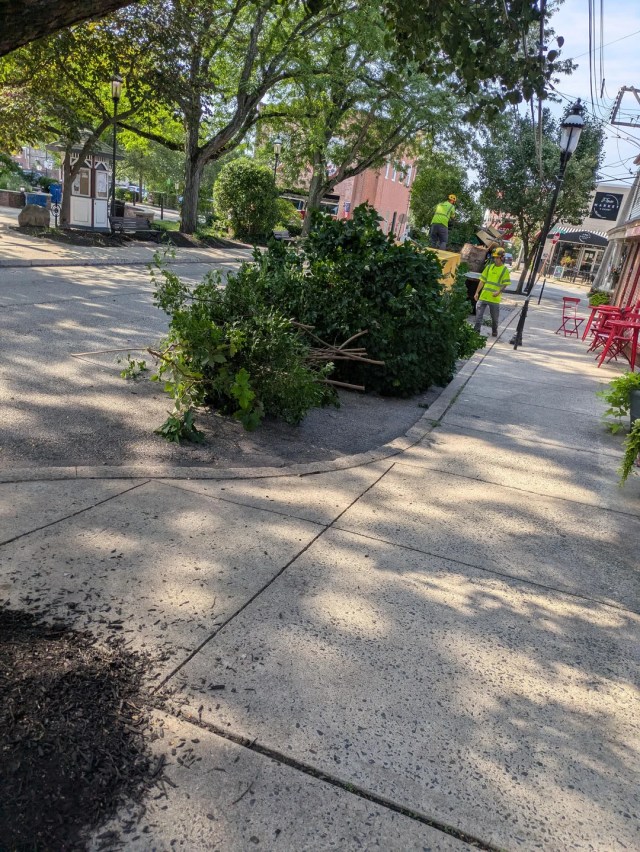
The poster said the bushes had self-seeded, reached more than eight feet tall, and were crowding out an oakleaf hydrangea and a sweetbay magnolia.
People in the comments congratulated the poster, but several also zeroed in on whether the job was done in a way that would keep the invasive plant from returning.
When one person asked, "Awesome! Do you know if they treated the stumps?" the OP replied, "I've been trying to get a scope of work from the borough. No luck yet."
TCD Picks » Quince Spotlight
💡These best-sellers from Quince deliver affordable, sustainable luxury for all




The commenter offered a warning in return: "Hopefully you can get an update. Amur honeysuckle comes back with a vengeance if it is not treated."
Why does it matter?
Invasive shrubs can spread quickly, outcompete nearby plants, and make it harder for native landscapes to thrive. In public spaces, that can mean fewer habitat-supporting species and more maintenance challenges for towns that may already have limited resources.
Native plant advocates often push for better landscaping choices, not just one-time removals. Replacing invasive species with regionally appropriate plants can support pollinators, reduce maintenance needs, and help communities avoid dealing with the same issue again a few years later.
Closer to home, installing a native-plant lawn — or even replacing part of a traditional grass lawn — can save time and money on mowing and maintenance while also lowering water bills. Low-maintenance alternatives such as native plants, clover, buffalo grass, and xeriscaping can also reduce the need for frequent watering and chemical use.
What can I do?
If you are dealing with invasive plants in your own yard or neighborhood, the first step is identifying them correctly. Removal methods can vary, and simply cutting back an invasive shrub may not solve the problem if the stumps or roots are left untreated.
Replanting with native flowers, shrubs, and grasses can help fill the space, making it less likely that invasive plants will return, and those plants often require less work once established.
As one commenter suggested, "Next step is to get them to hire a consulting horticulturist to advise on maintenance plans and new plantings."
"I'll take my wins where I can get them," the original poster replied.

Get TCD's free newsletters for easy tips, smart advice, and a chance to earn $5,000 toward home upgrades. To see more stories like this one, change your Google preferences here.