


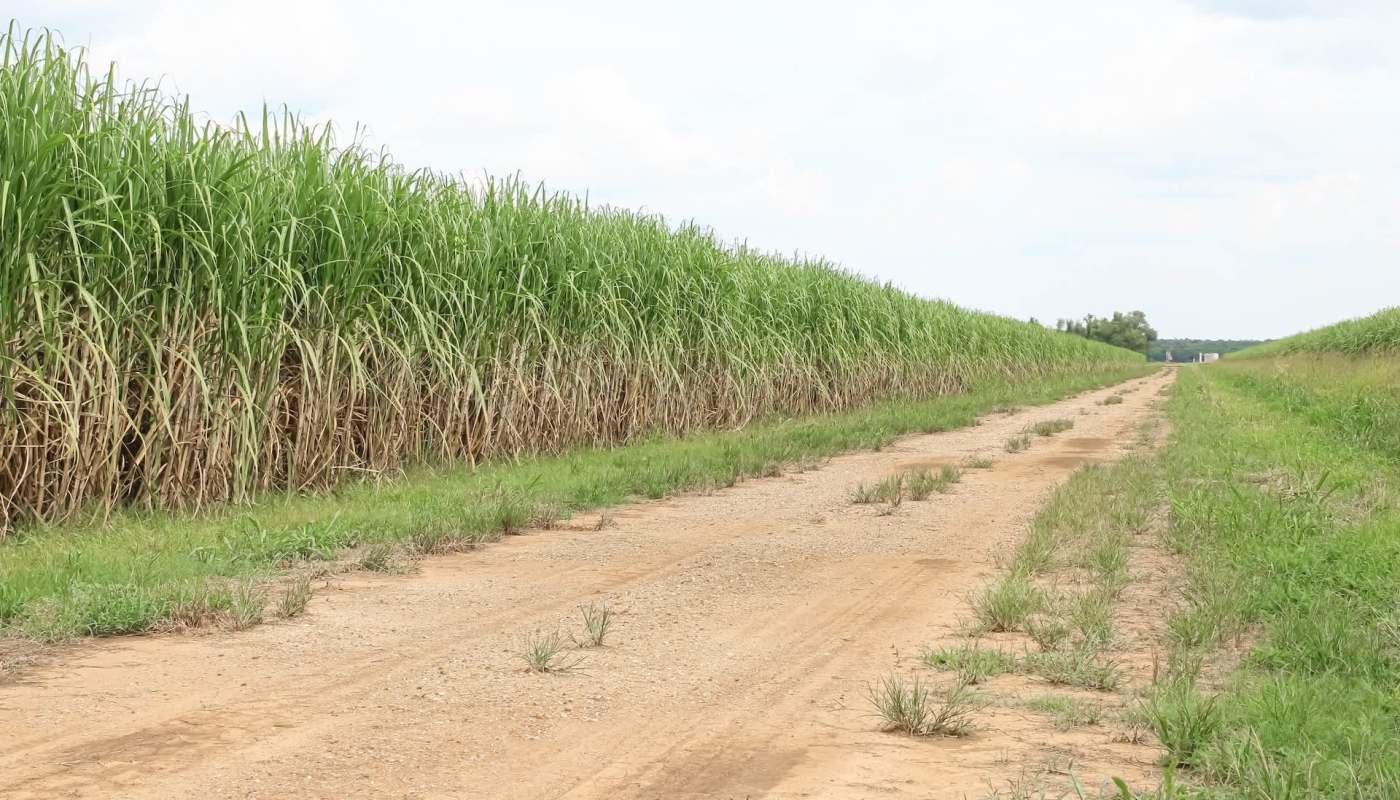
A destructive bug has made its way into Louisiana's farming regions, putting both sugarcane crops and pasture grasses at risk, The Era-Leader reported.
What's happening?
Louisiana State University AgCenter researchers identified the pasture mealybug in Vermilion and Iberia parishes toward the end of last year. Crop consultants first saw the trouble when sugarcane plants began yellowing.
After collecting samples and sending them to Department of Agriculture specialists, scientists matched the insects genetically to specimens previously gathered in Texas, where it was documented in 22 counties and killed off pasture grasses.
Louisiana crops where the mealybug turned up took major hits to their harvests. Plants displayed a condition called "yellow canopy syndrome," though researchers have not definitively linked the insect to those symptoms.
"The pest status of H. summervillei in sugarcane is not well understood," AgCenter entomologist Blake Wilson said.
"Evidence from Australia has noted that both nymphs and adults are found on the leaves and roots of sugarcane," he continued. "Only the nymphs are thought to feed. This feeding may be associated with yellow canopy syndrome, but the mealybug has not been identified as the direct cause of the symptoms."
Why is the pasture mealybug concerning?
When invasive insects establish themselves in new territories, they often outcompete or destroy native species that local ecosystems depend on. Native plants and animals have no natural defenses against unfamiliar pests.
The mealybug puts more than sugarcane at risk. It can attack all pasture and lawn grasses, endangering livestock operations. Ranchers need healthy grazing land to feed their animals, and widespread grass death could threaten livestock operations.
Protecting native habitats from invasive species preserves food supplies, limits disease spread, and keeps ecological systems stable for the communities that rely on them.
What's being done about the pasture mealybug?
The AgCenter team intends to examine sugarcane and grazing areas statewide to map how far the mealybug has moved.
TCD Picks » Quince Spotlight
💡These best-sellers from Quince deliver affordable, sustainable luxury for all




|
What's the most you'd pay per month to put solar panels on your roof if there was no down payment?
Click your choice to see results and speak your mind. |
 $200 or more 💰
 If you're a Louisiana resident and you spot signs of mealybug activity on your property, contact LSU AgCenter researchers. Blake Wilson handles sugarcane concerns, and Ed Twidwell handles pasture issues.
You can help slow the spread of invasive species by cleaning equipment before moving it between properties, buying plants from local nurseries, and avoiding transporting soil or plant material from affected areas. Wilson urged extra care when relocating any grasses from those two parishes.

Get TCD's free newsletters for easy tips to save more, waste less, and make smarter choices — and earn up to $5,000 toward clean upgrades in TCD's exclusive Rewards Club.
Cool Picks




