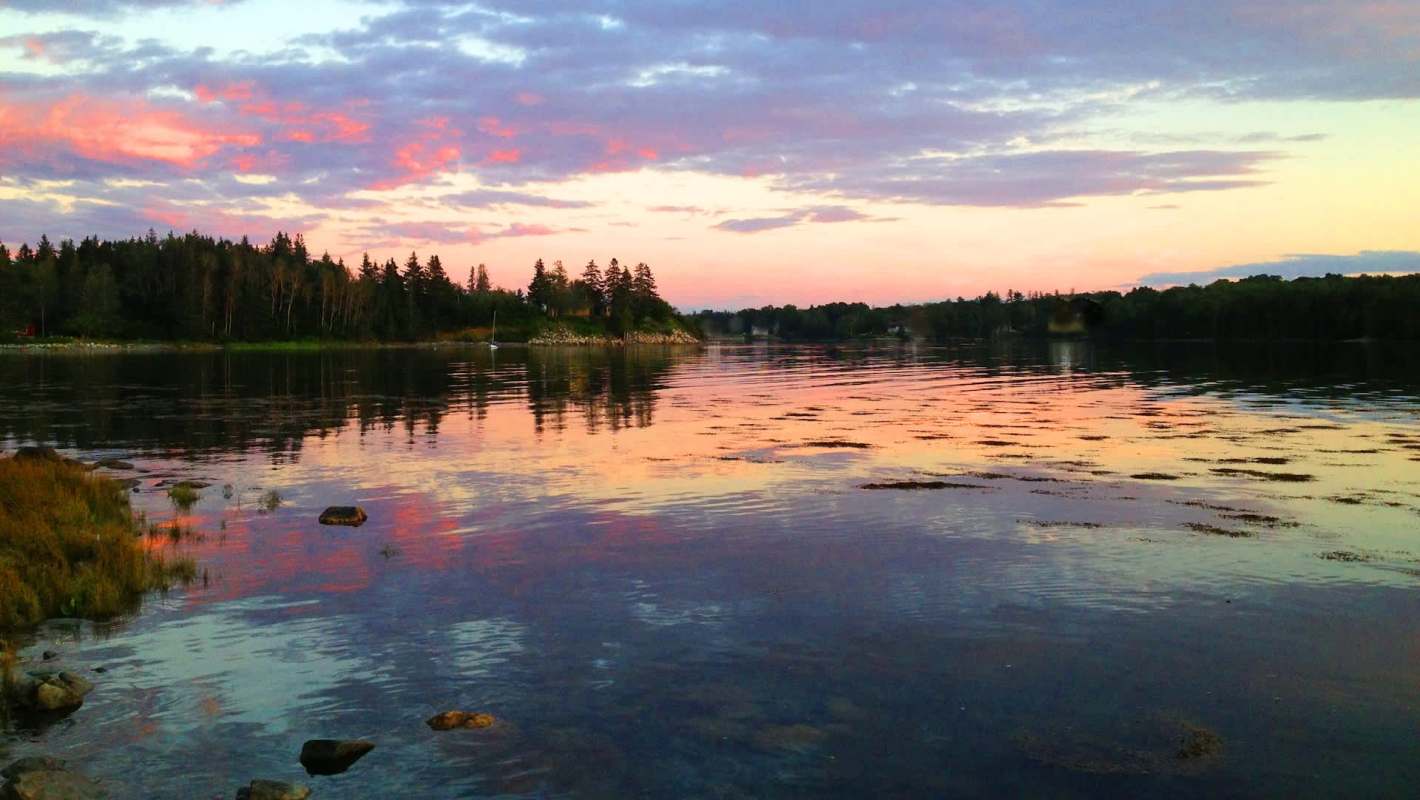
On Maine's northeastern coast, the Passamaquoddy Tribe of Sipayik (Pleasant Point) is watching the ocean creep higher and foodways fade.
What's happening?
According to Inside Climate News, the nearby National Oceanic and Atmospheric Administration gauge in Eastport has logged roughly 9 inches of sea level rise since the early 1900s, with most of that increase having come in the last 30 years.
The Maine Climate Council projects sea level rise along the coast could reach 1.5 feet above pre-industrial measurements by 2050 and 3.9 feet by 2100, also warning that the change could be even greater. This ups the odds of damaging "nuisance" flooding fifteenfold, and it could turn once-in-a-century floods into once-in-a-decade events.
As shorelines slump and salt marshes drown, infrastructure is put at risk. Sipayik's wastewater plant and several pump stations already sit within today's 100-year floodplain, and relocation could cost in the tens of millions of dollars.
Tribal elders also report collapsing local fisheries as warming waters and aging infrastructure disrupt once-abundant lobster, clams, pollock, and alewife runs.
"This is what we're dealing with in and around our community. It's washing away," Tribal member, Sipayik resident, and aquatic restoration coordinator Ralph Dana told Inside Climate News in August.
Stay hydrated and refreshed this holiday season — without any sugar or harmful additives Nuun’s zero-sugar hydration tablets are a perfect, guilt-free way to enhance your water throughout the day. You’ll get five essential electrolytes for everyday hydration — with zero grams of sugar. Plus, Nuun tablets are certified vegan and gluten-free, and they’re the perfect size to keep in your car, purse, or anywhere you'll want a healthy, restorative drink. Learn more → |

Why is this trend concerning?
For the Passamaquoddy, whose very name — Peskotomukatiyik — refers to spearing pollock, local food sources and cultural traditions are intertwined.
Rising seas and warming oceans are driven by pollution from burning dirty energy sources, which heats the planet and accelerates coastal erosion and storm-driven flooding. That's different from a one-off storm — extreme weather has always existed, but human-caused overheating is acting like steroids, making today's events more powerful and damaging to communities like Sipayik.
When fisheries crash, coastal roads flood, and treatment plants are compromised, daily life and public health take a hit, especially where poverty and housing challenges magnify risks to safety, stability, and well-being.
Indigenous communities already face the effects of historical colonization and marginalization from protections, resources, and economic opportunities. Disproportionate climate impacts can compound these inequities.
TCD Picks » Upway Spotlight
💡Upway makes it easy to find discounts of up to 60% on premium e-bike brands





What's being done about these impacts?
Sipayik leaders are building a resilience "basket" that spans safe housing, food and energy security, and cultural continuity.
|
Do you think we still have a lot to learn from ancient cultures? Click your choice to see results and speak your mind. |
 Definitely 👍
 On the ecosystem side, the Tribe and partners are re-opening fish passages and studying ways to modify the 1930s causeway that choked tidal flow, work that could help alewives rebound and, in turn, revive pollock and other species.
For individuals, one of the best ways to help is to stay informed about these critical climate issues. You can also contribute to Tribal-led habitat restoration efforts and land rematriation, champion local resilience projects, and support the clean energy transition to help address the underlying issue of rising temperatures.

Join our free newsletter for good news and useful tips, and don't miss this cool list of easy ways to help yourself while helping the planet.
Cool Picks