


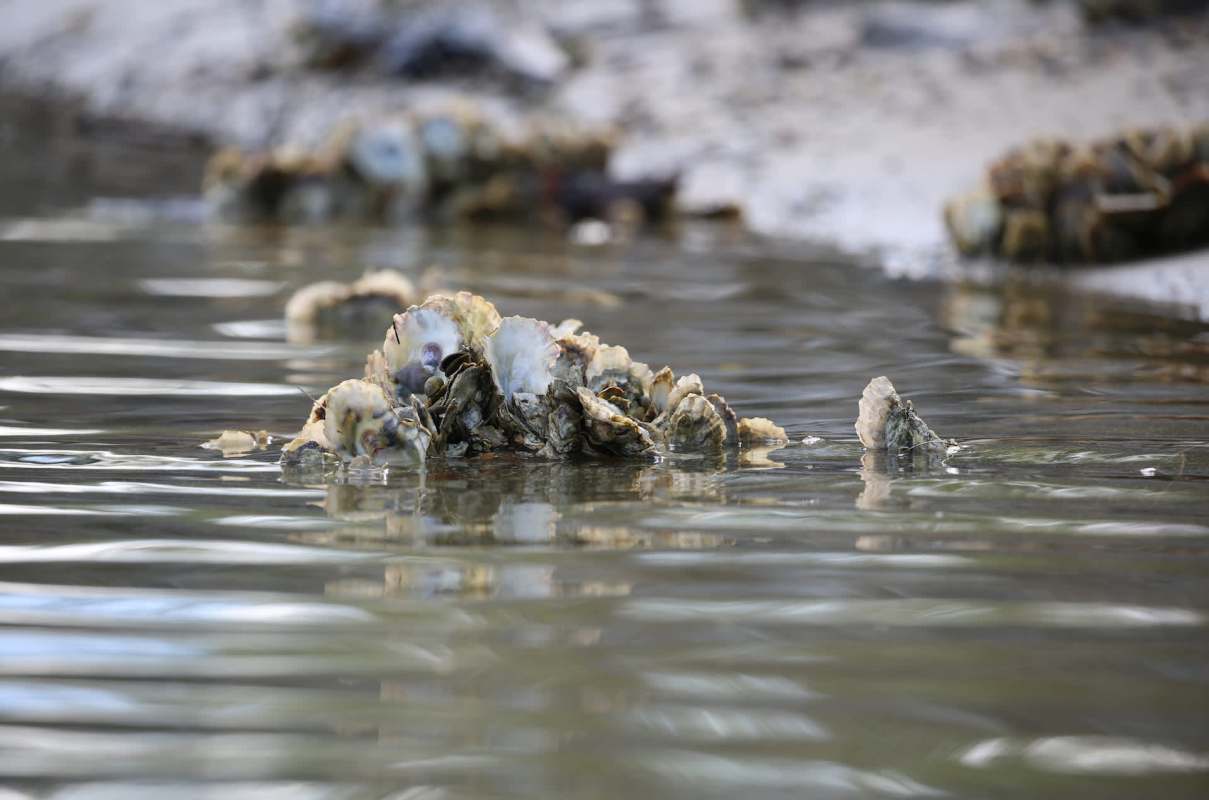
More than a decade after the Chesapeake Bay watershed agreement was signed, officials are celebrating an environmental milestone — the restoration of over 2,200 acres of oyster habitat across Maryland and Virginia.
The Chesapeake Bay Foundation and partners have turned once-depleted reefs into thriving ecosystems with careful conservation projects.
"The Chesapeake Bay is proud to be home to one of the most successful examples of oyster restoration in the world," said Chris Moore, executive director of the Chesapeake Bay Foundation, Virginia, to the Virginia Mercury.
"Now it's time to keep the momentum going, not only for the health of our waterways but for the health of people, other species, and local economies."
The restored reefs — in tributaries like the Lafayette, Great Wicomico, Lynnhaven, and Piankatank rivers — are now teeming with life.
Oysters act as natural water filters, each capable of cleaning up to 50 gallons of water a day, while their reefs create safe harbors for other species, like crabs and fish. These living shorelines also stabilize marshes, which protect coastal communities from flooding and erosion.
The work has already surpassed the original restoration goals, with new reef projects expanding into the Hampton River. As the current watershed agreement expires in 2025, conservation leaders are drafting a new plan that could add another 1,800 acres of oyster habitat by 2035.
Similar restoration wins are happening around the world — from New York's Billion Oyster Project to the U.K.'s Spurn Point project — showing how communities can restore balance to coastal ecosystems while protecting their own futures.
"Exceeding the oyster restoration goals in the current Bay Agreement is a testament to the power of the federal/state partnership and following a shared plan to save the Bay," said CBF senior policy director Keisha Sedlacek, per the Mercury.
"Oysters are still a pretty small fraction of what they were historically," Moore told the publication. "As we continue to refine our restoration techniques, we think of new things like living shorelines and include oyster components as well.
TCD Picks » Quince Spotlight
💡These best-sellers from Quince deliver affordable, sustainable luxury for all




"This is an area where we can make big strides in Bay restoration, not only by increasing the number of oysters, increasing the amount of habitat out there for other fin fish species, but also helping the Chesapeake Bay region become more resilient to climate change as well."
|
Do you think America does a good job of protecting its natural beauty? Click your choice to see results and speak your mind. |
 Definitely 👍
Join our free newsletter for good news and useful tips, and don't miss this cool list of easy ways to help yourself while helping the planet.
Cool Picks




