


University of South Florida students and faculty have created a jazz song to draw attention to Florida's struggling oyster populations, according to Nice News.
The project comes from anthropology professor Heather O'Leary's CRESCENDO initiative, which converts environmental research into music. The program's full name describes its goal: Communicating Research Expansively through Sonification and Community-Engaged Neuroaesthetic Data Literacy Opportunities.
O'Leary developed this approach after recognizing that people rarely explore government databases about environmental issues. She realized that music could make the information more accessible because listeners can understand it through sound.
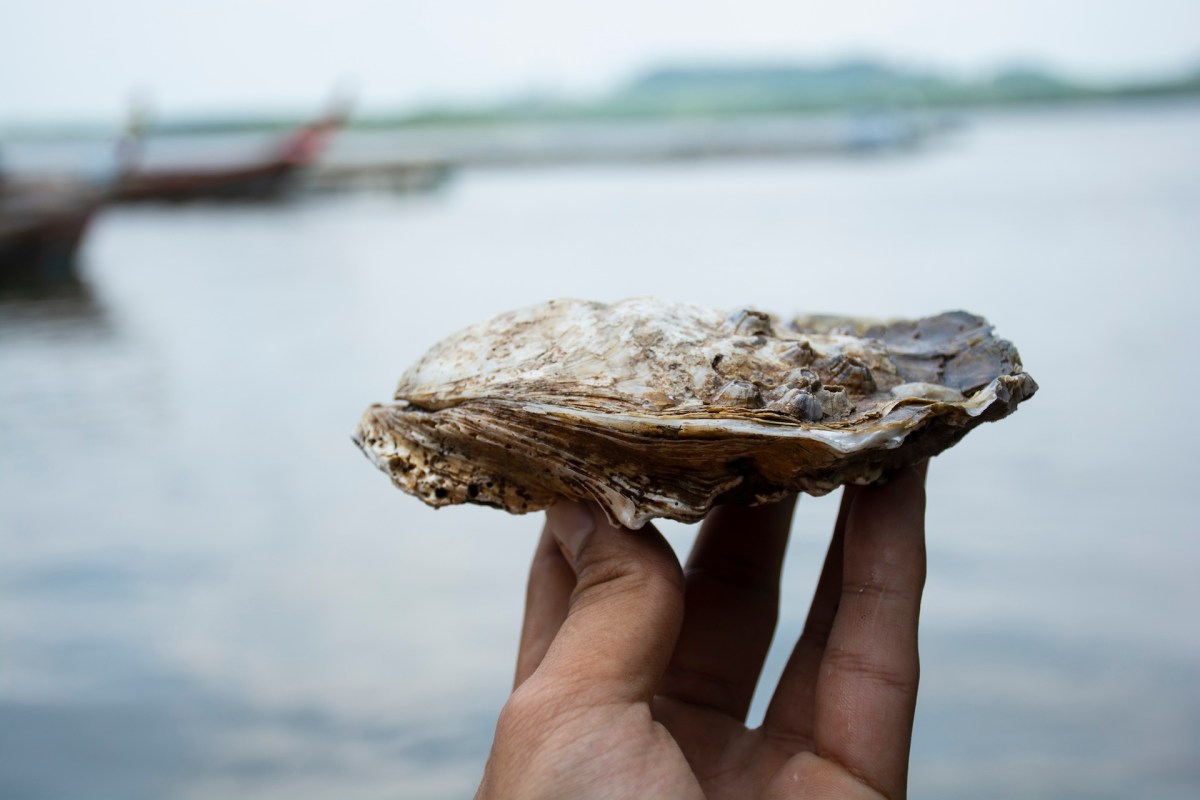
Florida's oysters face several threats. Overharvesting has reduced their numbers, coastal development has destroyed their habitats, and changes in freshwater patterns and environmental pressures have accelerated the decline. These losses affect both marine ecosystems and local economies that depend on healthy oyster populations.
The university created "Oysters Ain't Safe" as its second data-to-music project. USF's first effort changed information about toxic algae outbreaks into symphonic pieces performed by the school's wind ensemble. Those algae events had cost Tampa Bay businesses billions in lost tourism revenue.
For the oyster song, researchers incorporated survey data about local eating habits for seafood. The composition captures both public hesitation about eating oysters and the species' environmental challenges.
Graduate students studying marine biology partnered with music students under the guidance of professor Matt McCutchen. This collaboration brought together different perspectives on environmental issues.
"The music graduates are familiar with global warming, climate change, climate chaos, all of this, but they've never actually delved into the science. That's just not the flavor of intellectual interest they have," O'Leary explained, per the The Guardian.
"When they're sitting there talking with the marine scientists who are going on dives to see and to feel with their fingers what it feels like when you know the tissue is peeling off of the coral, it's electrifying."
The team plans to perform the song in January. They're also creating accompanying artwork, a music video, and an augmented reality experience for public access.
TCD Picks » Quince Spotlight
💡These best-sellers from Quince deliver affordable, sustainable luxury for all




|
How concerned are you about the plastic waste in our oceans? Click your choice to see results and speak your mind. |
 Extremely 😫
 This creative approach helps people connect with environmental issues without anxiety. When audiences watch performances, their brains respond as if they're participating themselves, creating deeper engagement with the subject matter.
The project demonstrates how universities can make scientific data more engaging and accessible. By turning statistics into art, researchers can engage audiences who might otherwise overlook environmental information.

Join our free newsletter for good news and useful tips, and don't miss this cool list of easy ways to help yourself while helping the planet.
Cool Picks




