


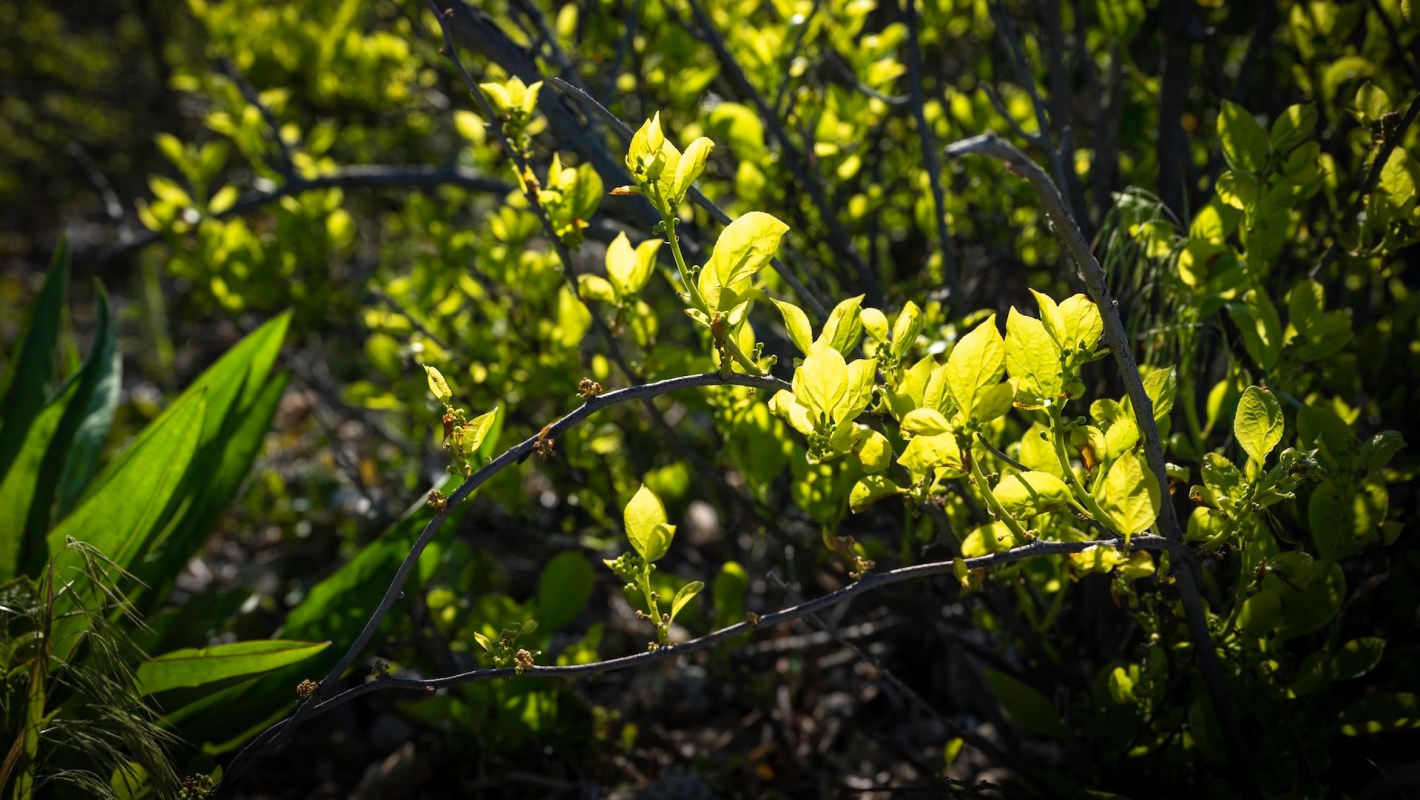
Forests and parks across Indiana are being smothered by oriental bittersweet, according to IndyStar.
This invasive plant is a fast-growing vine that's threatening trees, native plants, and wildlife.
What's happening?
Once prized for its bright orange berries and decorative appeal, oriental bittersweet is one of the most destructive species in Indiana's ecosystems.
Originally imported from East Asia in the 1800s, oriental bittersweet was popular for landscaping and wreath-making. IndyStar reported that horticulturists realized the plant was more of a pest by the 1960s.
Now, the vine has escaped yards and gardens to infest places like Clifty Falls State Park and the Indiana Dunes. According to experts, the plant's thick vines coil tightly around tree trunks, cutting off water flow and sunlight.
Over time, the added weight can make trees so top-heavy that they collapse during wind or ice storms.
TCD Picks » Quince Spotlight
💡These best-sellers from Quince deliver affordable, sustainable luxury for all




"It's devastating to see it be taken over in that way," said retired botanist Ellen Jacquart to IndyStar, describing how entire forest canopies have disappeared under a green tangle of bittersweet vines.
Why is oriental bittersweet concerning?
When invasive species like oriental bittersweet outcompete native plants for light, nutrients, and water, they disrupt ecosystems' delicate balance.
Trees can no longer provide food and shelter for birds, insects, and mammals. The resulting canopy gaps make it harder, or even impossible, for native plants on the forest floor to recover.
Protecting native species helps to guarantee clean water, healthy soil, and a reliable food supply for people, too. Once invasive plants dominate an area, ecosystems become less resilient to pests, diseases, and extreme weather, such as flooding.
|
Should the government be allowed to ban certain plants? Click your choice to see results and speak your mind. |
 Definitely 👍
 What's being done about oriental bittersweet?
Organizations like the State of Indiana Cooperative Invasives Management are working with volunteers to identify and remove oriental bittersweet.
Residents can help by learning to recognize the plant's telltale orange berries. They should cut vines at the base rather than pulling them, which can exacerbate damage.
Planting native plants in gardens or establishing a natural lawn also help to rebuild natural resilience and habitat for local fauna.

💰Get TCD's free newsletters for easy tips to save more, waste less, and make smarter choices — and earn up to $5,000 toward clean upgrades in TCD's exclusive Rewards Club.







