


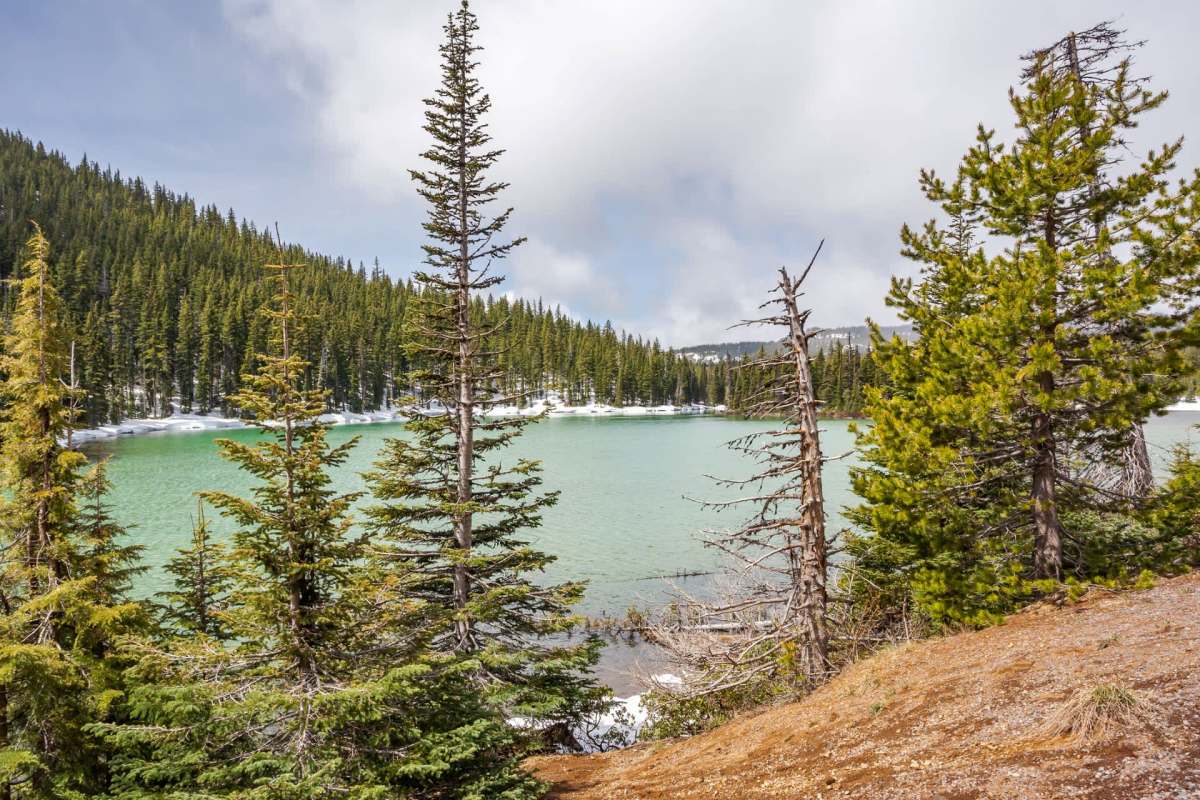
With fire season in the Pacific Northwest typically running from May to October, the effects of Oregon's snow drought may not become fully evident until later in the year.
What's happening?
The Beaver State has experienced historically low snowpack this winter, according to KOIN 6.
"This snowpack is actually worse than it was in 1977, which was probably previously our low snow year in recent history," state climatologist Larry O'Neill explained. "2015 was the previous low snowpack that we had."
During that year, when the "Great Western Snow Drought" occurred, unusually warm temperatures prevented any basin in the West from accumulating over 86% of median snow water equivalent, according to the National Integrated Drought Information System.
Why is this important?
To be sure, complex factors influence weather, and warm winters can happen in isolation. However, human-caused air pollution is directly responsible for a long-term warming trend.
According to Climate Central, most U.S. cities are experiencing at least seven more warmer-than-normal winter days than they did in the 1970s.
This has disrupted economies that rely on winter tourism. What's more, up to 70% of water supplies in the West come from snowmelt. With its snowpack at historically low levels, Oregon could face reduced water quality, water shortages, and an increased risk of wildfires.
"It keeps moisture up in the forests and landscape for longer in the summer," O'Neill said of snowpack. "It keeps things from drying out so quickly. So, having a low snowpack can be one factor that contributes to increased wildfire risk as we come into spring and summer."
What's being done about this?
A rainy spring could reduce the risk of wildfires, but O'Neill urged people to prepare for the possibility of them, including by clearing debris from their properties. Having a go-bag and an escape plan can also ensure you're not caught off guard if disaster strikes.
In the meantime, reducing air pollution can help the climate stabilize. Upgrading to cleaner technologies and energy sources, including energy-efficient appliances and solar panels, is a practical way to support those efforts while protecting yourself against rising electricity prices.
TCD Picks » Quince Spotlight
💡These best-sellers from Quince deliver affordable, sustainable luxury for all




|
Which of these savings plans for rooftop solar panels would be most appealing for you?
Click your choice to see results and earn rewards to spend on home upgrades. |
 Save $1,000 this year 💸
Get TCD's free newsletters for easy tips to save more, waste less, and make smarter choices — and earn up to $5,000 toward clean upgrades in TCD's exclusive Rewards Club.
Cool Picks






