


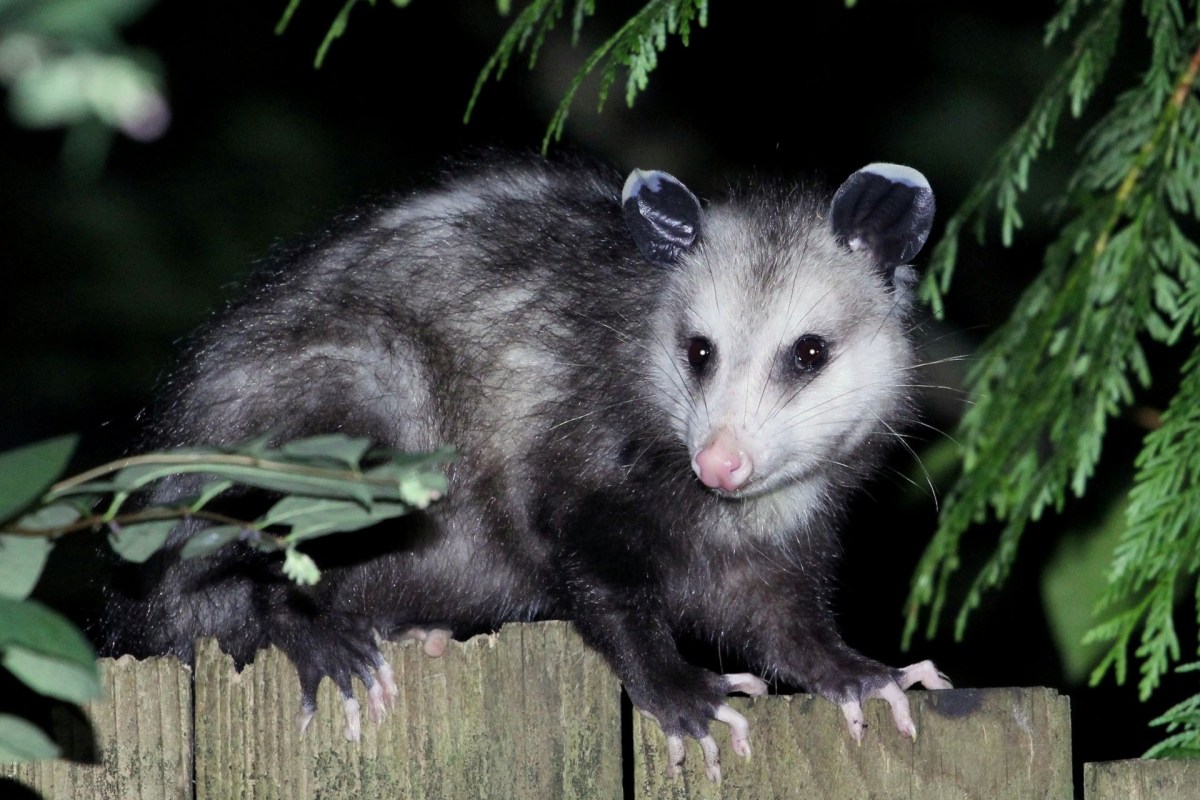
Marcy the opossum can no longer go back to the wild because of a tail injury, and that setback has opened an unexpected new purpose for her.
Instead of living on her own, she is becoming part of the Tamarack Wildlife Center's public outreach, introducing people to local wildlife and to the value of respecting it.
Here's what to know
As Erie News Now reported, Marcy will remain at Tamarack rather than be released, since a partial tail amputation would leave her at a major disadvantage in the wild.
She joins 13 other ambassador animals used in Tamarack's education efforts. Through visits to schools, churches, youth groups, and senior centers, she will help explain both opossums and the wider need to respect wildlife.
Her case also underscores what a prehensile tail does for an opossum. These animals use their tails in several ways, including nest-building, so the loss of her full tail would make routine tasks in the wild much harder for Marcy.
When an injured wild animal cannot be released, rehabilitation centers can still give it a meaningful and enriching life.
TCD Picks » Quince Spotlight
💡These best-sellers from Quince deliver affordable, sustainable luxury for all




More background
Public education can shape how people respond to wild animals they encounter in neighborhoods, parks, and along roadsides.
Opossums are often misunderstood, and seeing a live ambassador animal can make those lessons far more memorable than a pamphlet or presentation alone.
Although Marcy has completed rehabilitation, her long-term care depends on a setup designed around her limitations. Since wild opossums typically make their own sleeping places, Tamarack has adjusted her living space to keep her comfortable.
Rehabilitation is not always about returning an animal to nature as quickly as possible. Sometimes it means determining whether that animal can safely survive on its own and, when the answer is no, finding another way for it to thrive.
A visible recovery does not always mean a wild animal is ready for release. Functional injuries can still limit an animal's ability to find shelter, avoid danger, and care for itself.
What can be done?
Tamarack officials recommend placing an injured opossum in a dark, calm container with good airflow.
After that, contact a nearby wildlife rehabilitator for guidance. Injured wild animals can be stressed, vulnerable, and in need of specialized care that most people are not equipped to provide on their own.
Marcy is not headed back to nature, but she still serves an important function at Tamarack.
As Melissa Goodwill, outreach and education manager at Tamarack Wildlife Center, put it: "Because opossums in the wild would want a nice, cozy place to sleep, and Marcy here wouldn't be able to build her own, we have provided her with a really cozy sleeping bag that she loves nestling inside of and taking a little nap."

Get TCD's free newsletters for easy tips, smart advice, and a chance to earn $5,000 toward home upgrades. To see more stories like this one, change your Google preferences here.







