


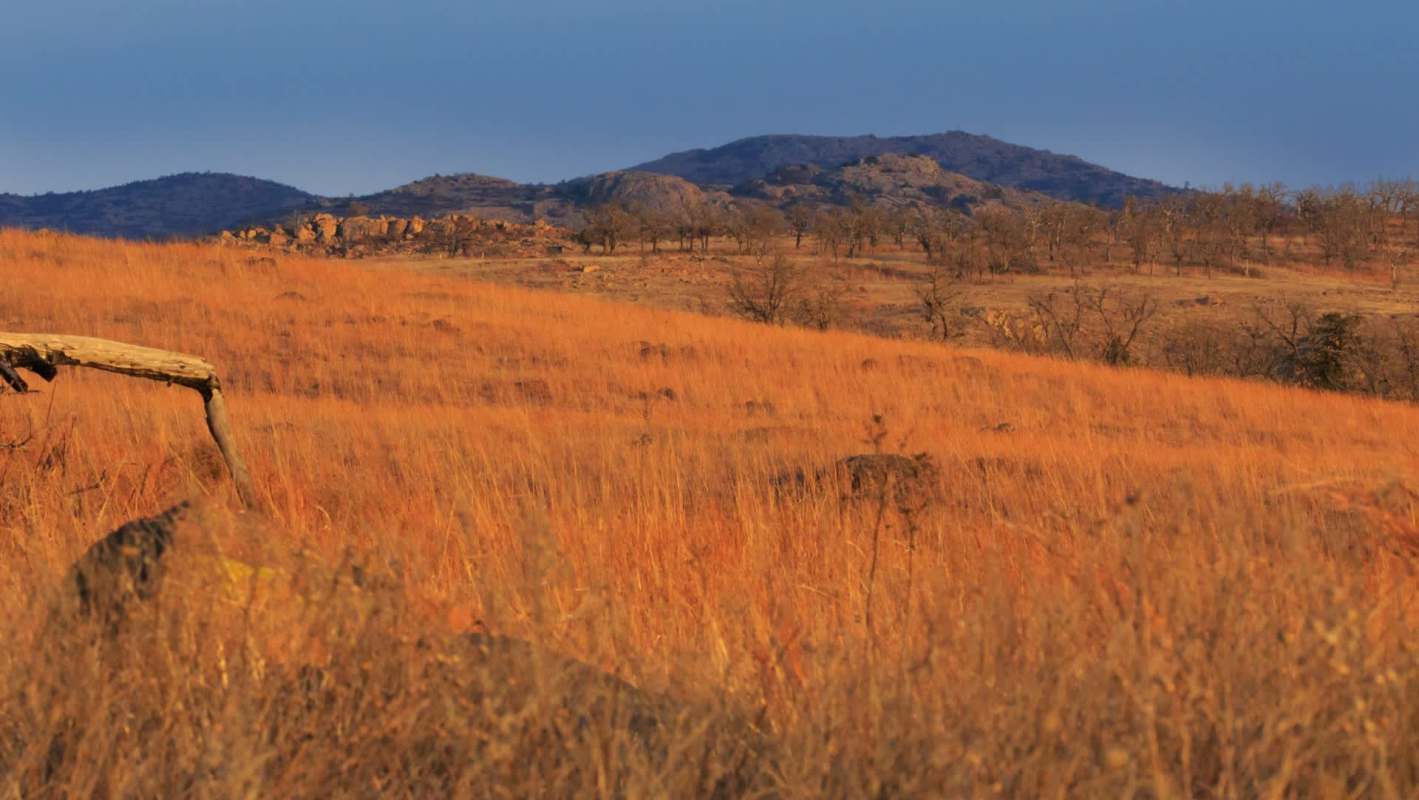
A warm and dry winter has elevated fire weather conditions in Oklahoma. Several grass fires broke out recently there, as the state saw its highest fire danger day of the year so far last Friday.
Abundant rainfall followed by unusually dry weather has set the stage for high fire danger that might worsen by spring. March usually marks the peak of wildfire season in Oklahoma.
"It does look pretty risky as we head into the peak wildfire season," Gary McManus, Oklahoma state climatologist, told KOCO. "Late February and March and even early April, it can extend in."
The period from the middle of spring to the end of summer last year was one of the wettest ever for Oklahoma. The state had its fourth-wettest April through August on record, according to the National Centers for Environmental Information. That was followed by a fall and early winter that were both unusually warm and dry. The period from September through December last year was the fifth-warmest and 24th-wettest in the state's 130-year record of climate data.
The vegetation that grew last spring and summer amid abundant rainfall is now dry and dormant, providing fuel for fires. An expanding drought is exacerbating conditions. The area of the state now experiencing at least a moderate drought has more than doubled over the past three months.
Just over 71% of the state is experiencing drought conditions, according to the latest U.S. Drought Monitor report. Three months ago, around 29% of Oklahoma was in a drought. Dry weather in the western U.S. has led to a snow drought, with historically low snowpack being reported in several places.
December has been particularly warm and dry. December was nearly 6 degrees above average, making it the sixth-warmest first month of meteorological winter on record. It was also the driest December on record for the state.
The National Interagency Fire Center listed statistics for five recent wildfires that have impacted Oklahoma. Most of them have been contained. The Calf Fire, the largest of the five, has charred over 14,000 acres near Stuart, nearly 90 miles southeast of Oklahoma City.
Our overheating planet is contributing to an increase in wildfires worldwide. A massive wildfire killed at least 19 people this week in Chile. "Extreme wildfire activity has more than doubled worldwide," noted NASA in a report about wildfires and climate change.
"By looking back at 35 years of weather data, U.S. Forest Service scientists found that fire seasons are starting earlier in the spring and extending later into autumn," added NASA. "Parts of the western United States, Mexico, Brazil, and East Africa now have fire seasons that are more than a month longer than they were 35 years ago."
TCD Picks » Quince Spotlight
💡These best-sellers from Quince deliver affordable, sustainable luxury for all




Oklahoma could soon receive some much-needed moisture, but it will come with a cost. A major winter storm is expected to produce heavy snow across the state from Friday through the weekend. Most of Oklahoma is under a winter storm watch, with up to 1 foot of snow possible in some of the hardest-hit areas of the state.
|
How often do you worry about air pollution where you live? Click your choice to see results and speak your mind. |
 Always 😷
Get TCD's free newsletters for easy tips to save more, waste less, and make smarter choices — and earn up to $5,000 toward clean upgrades in TCD's exclusive Rewards Club.
Cool Picks






