


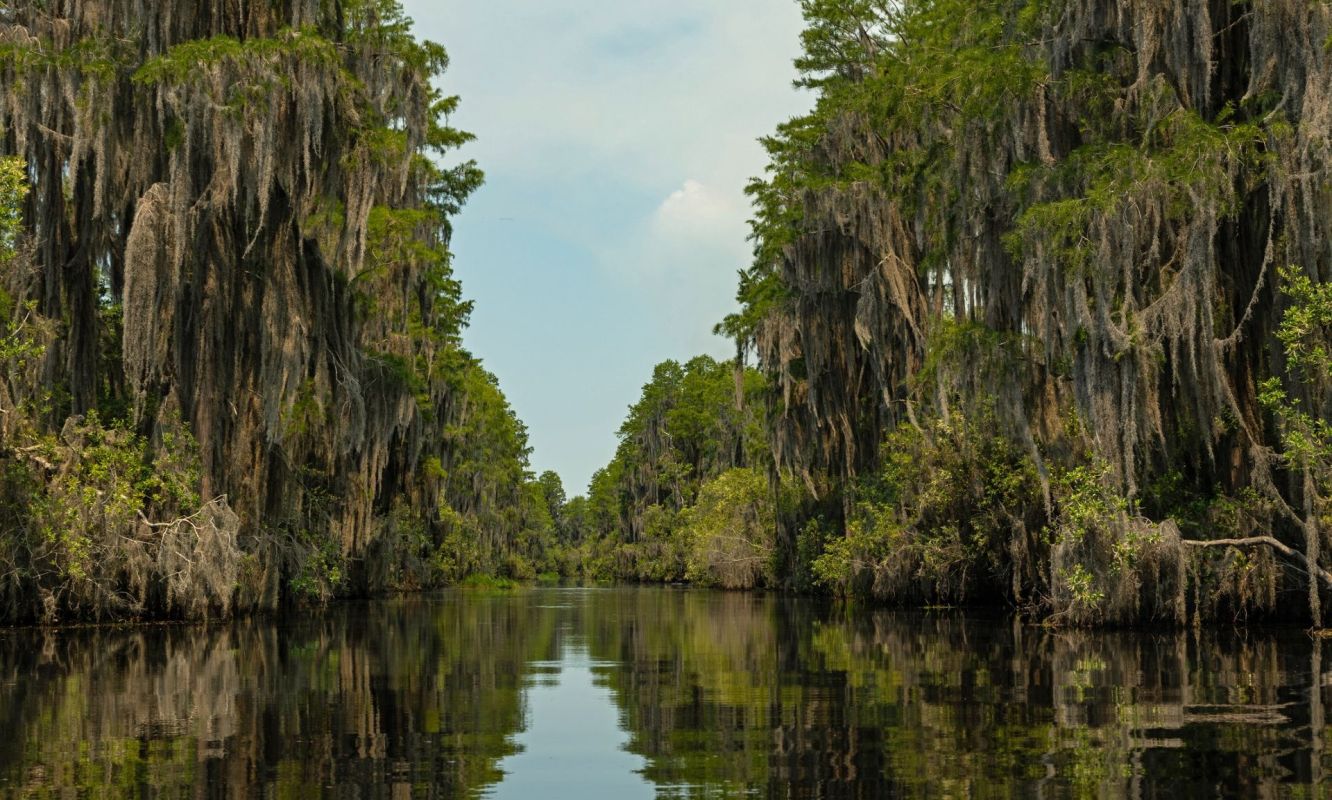
UNESCO has added the Okefenokee Swamp to its World Heritage list, giving international recognition to a vast freshwater landscape in the Southeast where alligators, bears, otters, and unusually long native snakes live.
The honor reflects two defining features of the swamp: its rich biodiversity and its importance as a natural carbon sink, BBC Discover Wildlife reported.
What happened?
As the outlet noted, UNESCO's decision highlights the Okefenokee's wide range of habitats and wildlife.
It covers 636 square miles (1,646 square kilometers) in southeast Georgia and northeast Florida.
Its wetlands, savannahs, and forests provide important habitat for migratory birds. Across that landscape are at least 856 plant species, 238 bird species, 90 reptiles and amphibians, 48 mammals, and 39 fish.
Among the threatened species that rely on the swamp are the gopher frog, the endangered longleaf pine tree, and the eastern indigo snake.
TCD Picks » Quince Spotlight
💡These best-sellers from Quince deliver affordable, sustainable luxury for all




The eastern indigo is the country's longest native snake and typically grows to 4.9 to 7.9 feet (1.5 to 2.4 meters), about the length of an average bed.
Fish and Wildlife Service data show that about 15,000 American alligators live in the wetlands.
Other well-known animals in the swamp include bobcats, black bears, and playful otters.
Why does it matter?
The World Heritage listing underscores the Okefenokee's worldwide significance, both for the wildlife it shelters and for the environmental value it delivers.
Its wetlands store carbon that might otherwise contribute to planet-warming pollution.
The swamp also serves as an important refuge for hundreds of plant and animal species, including migratory birds and threatened reptiles and amphibians.
Ecosystems with stronger biodiversity are generally better able to withstand growing pressure on habitats around the world.
What's being done?
The UNESCO designation places the Okefenokee in a globally recognized group of sites considered exceptionally important to humanity, which can help bolster conservation attention and support.
The swamp is already managed by the Fish and Wildlife Service.
That protection helps preserve migratory bird habitat and supports species including the eastern indigo snake and gopher frog.

Get TCD's free newsletters for easy tips, smart advice, and a chance to earn $5,000 toward home upgrades. To see more stories like this one, change your Google preferences here.







