


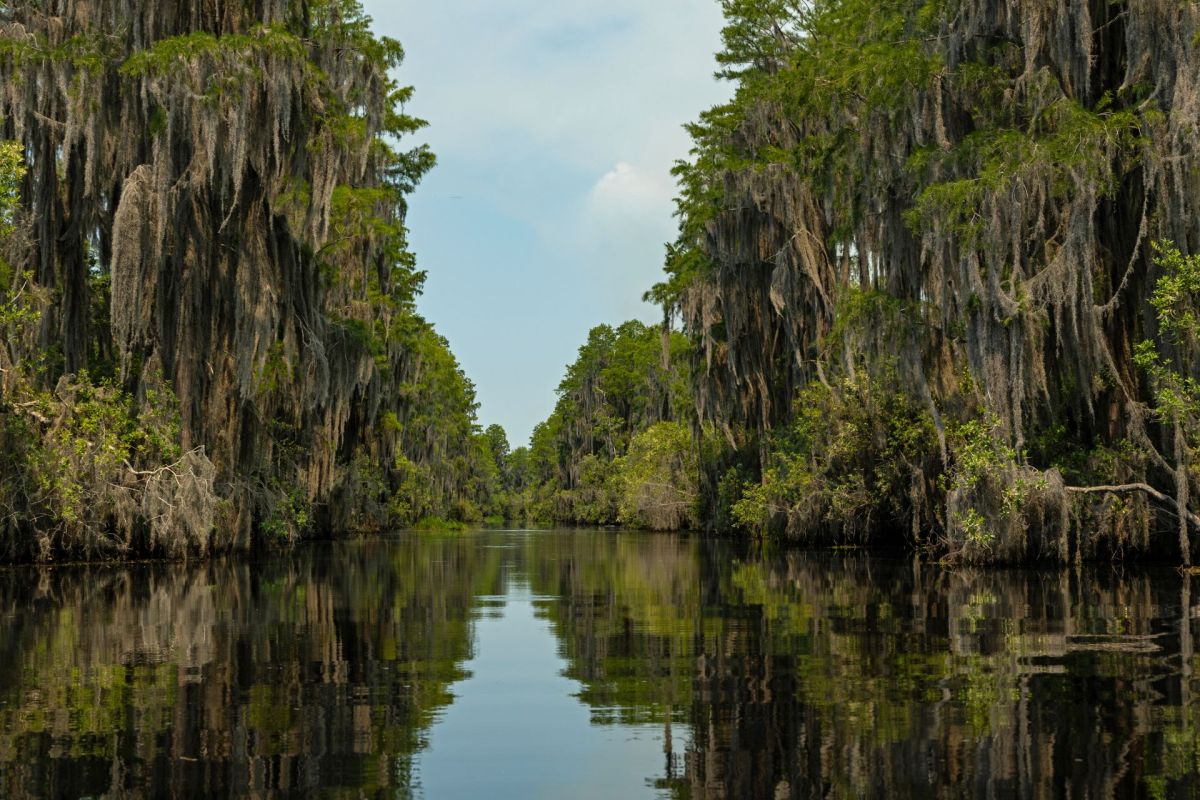
Georgia's Okefenokee Swamp has officially joined one of the world's most recognized conservation lists. It's a move that could bring new attention to — and potentially increase pressure to protect — one of North America's most significant wetland ecosystems.
By making the refuge a World Heritage Site, the United Nations Educational, Scientific, and Cultural Organization — or UNESCO — has placed it on the same roster as places like the Grand Canyon, according to the Associated Press.
What's happening?
During a committee session last week in Busan, South Korea, UNESCO placed Georgia's Okefenokee Swamp on its World Heritage List.
The swamp is considered one of the globe's largest freshwater ecosystems, a broad wetland system that sustains extensive biodiversity and gives rise to two major rivers.
UNESCO highlighted the swamp's largely undisturbed peat beds, according to the AP, which make the area valuable both as habitat and as a scientific record of thousands of years of environmental change.
Those ecological and research qualities helped earn the refuge a place on a list known for many of the world's most famous natural and cultural sites.
TCD Picks » Quince Spotlight
💡These best-sellers from Quince deliver affordable, sustainable luxury for all




The news agency reported that the committee's other new additions and expansions included the Buddhist site of Sarnath in India; Thailand's 13th-century Buddhist temple Wat Phra Mahathat Woramahawihan; and porcelain industry sites in Jingdezhen, China.
Why does it matter?
Wetlands like the Okefenokee support wildlife, store carbon, and give researchers a rare window into how ecosystems change over time. Protecting them can strengthen climate resilience while preserving resources that future generations may rely on.
The designation could also support economic opportunities through tourism. At the same time, the listing could intensify debate over how places like the Okefenokee should be managed.
Some residents have opposed Okefenokee's new designation because they worry it could lead to greater U.N. involvement in the swamp's future. That concern reflects a broader challenge in conservation efforts: balancing local control, public access, and environmental protection.
What's being done?
The World Heritage listing raises the profile of ongoing work to protect the refuge and promote sustainable stewardship.
Kim Bednarek, executive director of the nonprofit Okefenokee Swamp Park, told the AP that her group worked with the U.S. government on the refuge's nomination package.
"We accept this inscription not as a finish line, but as a commitment to keep the Okefenokee wild, resilient, and thriving for generations to come," Bednarek said.
In Thailand, Kanop Ketchart, mayor of Nakhon Si Thammarat City, told the news agency that local leaders are already preparing for what global recognition for the Buddhist temple may bring: "We have prepared our infrastructure, buffer zoning, and evacuation plan to fit all the requirements of UNESCO."

Get TCD's free newsletters for easy tips, smart advice, and a chance to earn $5,000 toward home upgrades. To see more stories like this one, change your Google preferences here.







