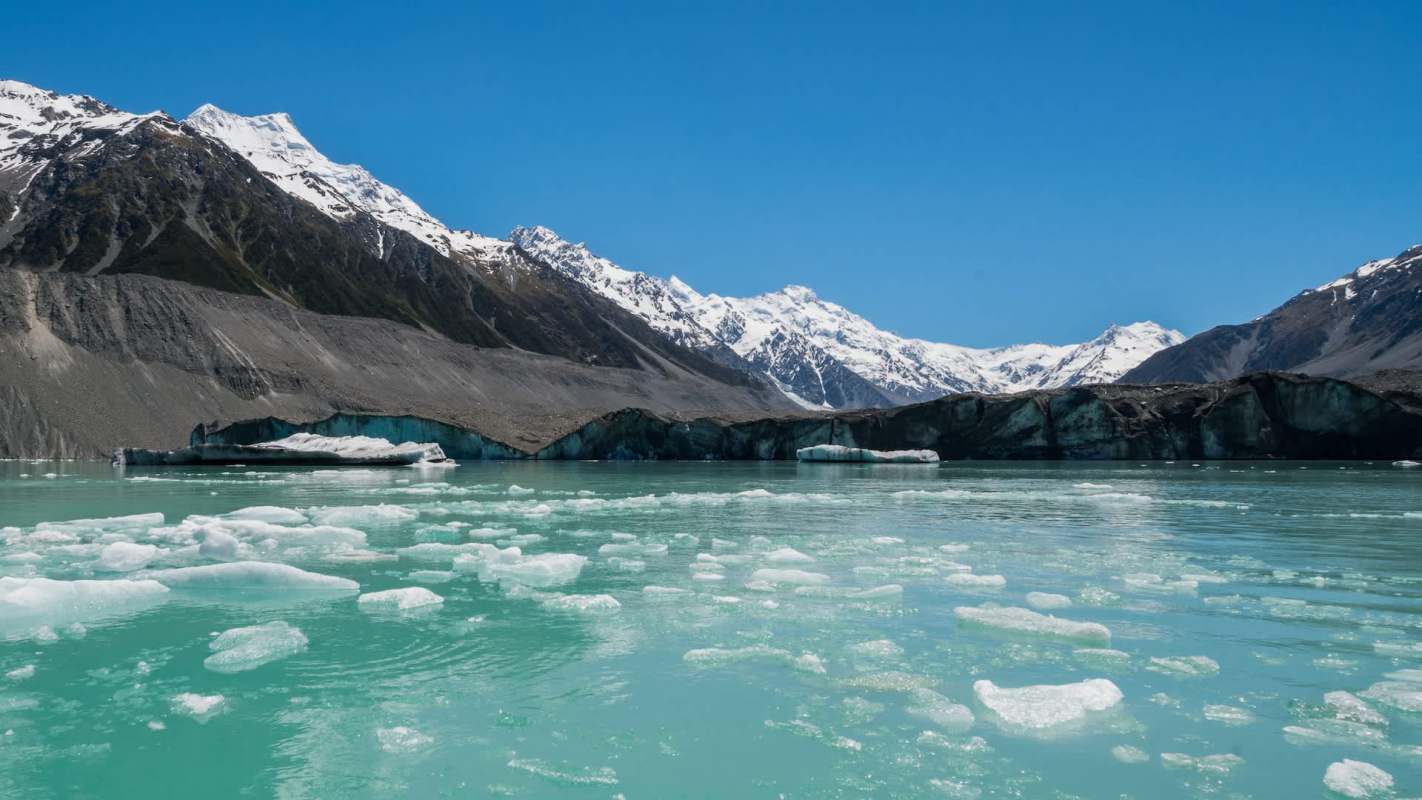
The island nation of New Zealand is finding itself even more vulnerable to the effects of our warming planet than previously thought.
What's happening?
According to an article from Agence France-Presse on Phys.org, researchers funded by the New Zealand government discovered that the oceans around the country are heating up far faster than the global average.
In fact, they discovered that they are growing hotter, more acidic, and rising faster than oceans in other places, and that is already beginning to threaten seaside communities and homes.
The study found that New Zealand's oceans are heating 34% faster than global averages, to be specific.
"Climate change is driving significant changes in our oceans," the report said. "Ocean temperatures are increasing, and marine heat waves are becoming more frequent, intense and longer-lasting. Sea-level rise is accelerating at many locations."
Why is the ocean heating up important?
As the ocean heats up, it becomes more acidic, and more oxygen is lost from within it. Fish rely on that oxygen to survive, which means populations of fish that are already stretched thin by commercial fishing are pushed even closer to the brink. On top of that, warming seas tend to rise more quickly, meaning that they encroach on coastlines and accelerate coastal erosion, putting coastal cities and towns at risk.
Stay hydrated and refreshed this holiday season — without any sugar or harmful additives Nuun’s zero-sugar hydration tablets are a perfect, guilt-free way to enhance your water throughout the day. You’ll get five essential electrolytes for everyday hydration — with zero grams of sugar. Plus, Nuun tablets are certified vegan and gluten-free, and they’re the perfect size to keep in your car, purse, or anywhere you'll want a healthy, restorative drink. Learn more → |

"Climate change is making existing problems in our oceans even worse," Shane Geange, Department of Conservation marine adviser, said. "For example, global warming has made New Zealand's sea temperatures rise much faster than the worldwide average. "This means we're seeing more frequent and severe marine heat waves. Sea levels [are] rising more quickly, and our oceans are becoming more acidic and losing oxygen."
He pointed to New Zealand's population of yellow-eyed penguins as proof; the birds have seen population dips linked to swiftly rising oceanic temperatures.
What's being done about warming oceans?
Geange said this study is proof that New Zealand and the world need to act quickly to fix the problem.
"Because of these findings, how we manage New Zealand's marine environment needs to change," said Geange. "We now have enough evidence to take action, and delaying risks further harms to our marine ecosystems."
There's a reason dermatologists personally use this daily moisturizing sunscreen more than any other brand Dermatologists see and understand skin at a much deeper level than the rest of us, and they know that the perfect SPF both protects and corrects your skin. That's why they trust, recommend, and personally use EltaMD more than any other brand. EltaMD's clinically tested formulas are designed with dermatologists to meet the needs of any skin type or condition. They're also designed for consistent daily wear to build long-term resilience with a moisturizing, lightweight, non-comedogenic texture — plus hyaluronic acid to help reduce the appearance of fine lines and wrinkles. Learn more → |

On a global scale, the best way to protect our oceans is to reduce carbon pollution, which causes global temperatures to rise and pushes the temperature of our seas higher and higher. You can explore critical climate issues to learn more.
|
Do you think we're doing enough to clean trash from the oceans? Click your choice to see results and speak your mind. |
 Yes 👍
Yes 👍 
Join our free newsletter for good news and useful tips, and don't miss this cool list of easy ways to help yourself while helping the planet.
Cool Picks