


The New England Wildlife Center, operating in Weymouth and Barnstable, Massachusetts, has long said its work is driven by one essential value: "education is action." Experts at the nonprofit, with its origins dating back to 1983, work hard not only to rescue at-risk animals but to educate the public on the importance of wildlife rehabilitation.
In 2001, the organization says, NEWC built the nation's first wildlife hospital and science education facility. It now operates a second exotic animal veterinary center as well.
For decades, NEWC has served as a vital resource for injured, orphaned, and sick wild animals in the region while also keeping the public informed about the rewards of conservation. Its efforts aim to promote human-wildlife coexistence and give animals a second chance to thrive in nature, in turn benefiting entire ecosystems.
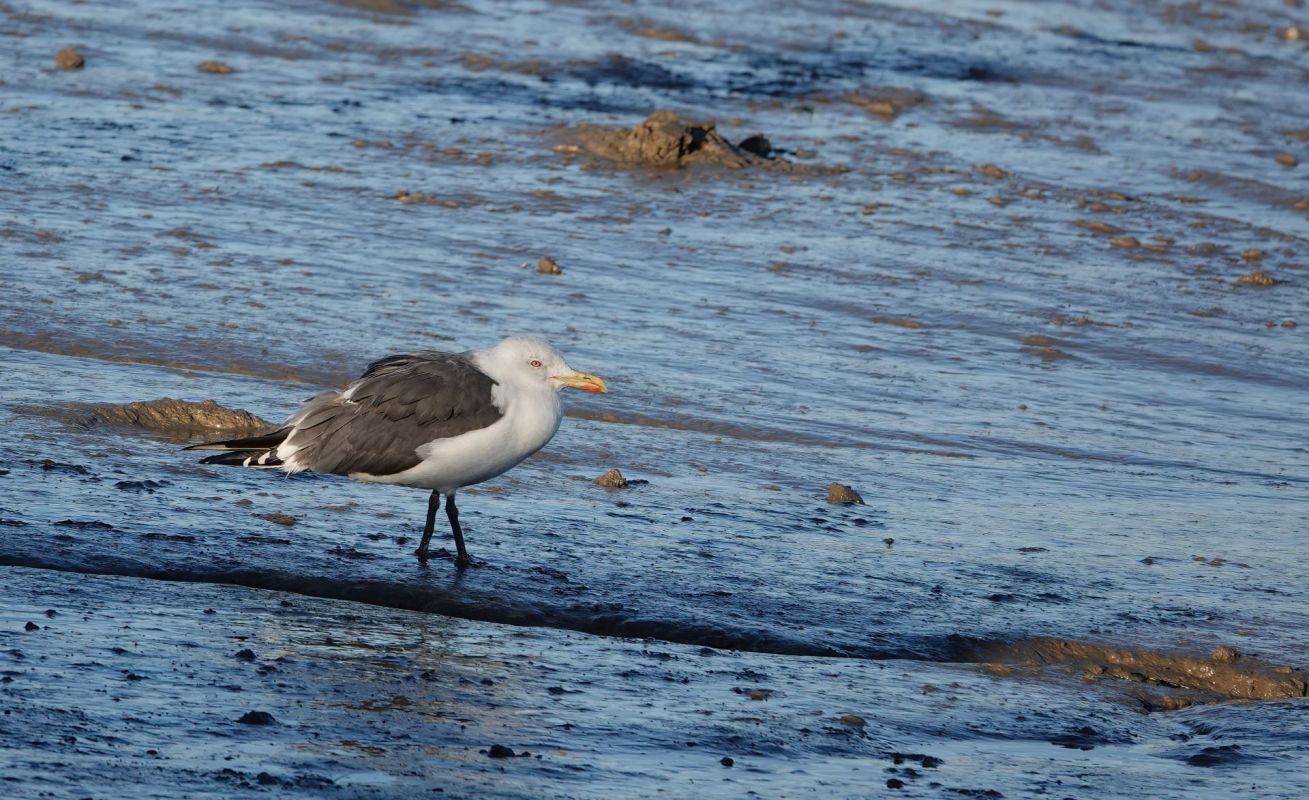
One recent example of the organization's work involved the rehabilitation of a young bird found in Cape Cod. Known as a lesser black backed gull, the animal was given a fresh start when the veterinary team removed a fishing hook from its mouth and stomach lining, as reported by Popular Science.
"We frequently see the birds when the hook is still in their mouth or neck, so it's easier and safer to get it out," NEWC veterinarian Priya Patel told the outlet. "Not many gulls that swallow hooks completely like this one survive long enough where surgery is an option."
The American Bird Conservancy has said hooks can kill 320,000 seabirds annually. In 2013, the New York Times reported that gill nets deployed by fishing boats killed 400,000 seabirds a year.
Without surgery and follow-up care, the young gull would most likely have died. Instead, it reportedly experienced no complications and was released back into the wild.
The NEWC serves not only local birds, but also mammals, reptiles, and amphibians. Once healed and ready, the animals are returned to their homes in the great outdoors, where they can thrive and contribute to the rich biodiversity of their habitats.
As the nonprofit continues to save the lives of individual animals, it also serves the public interest by nurturing the fragile balance of these ecosystems and raising awareness about this critical work.
As its website boasts, "Each day we work to preserve the rich natural history of Massachusetts, Cape Cod and the islands, one animal — and one person at a time."
TCD Picks » Quince Spotlight
💡These best-sellers from Quince deliver affordable, sustainable luxury for all




|
Do you think America does a good job of protecting its natural beauty? Click your choice to see results and speak your mind. |
 Definitely 👍
Join our free newsletter for good news and useful tips, and don't miss this cool list of easy ways to help yourself while helping the planet.
Cool Picks




