


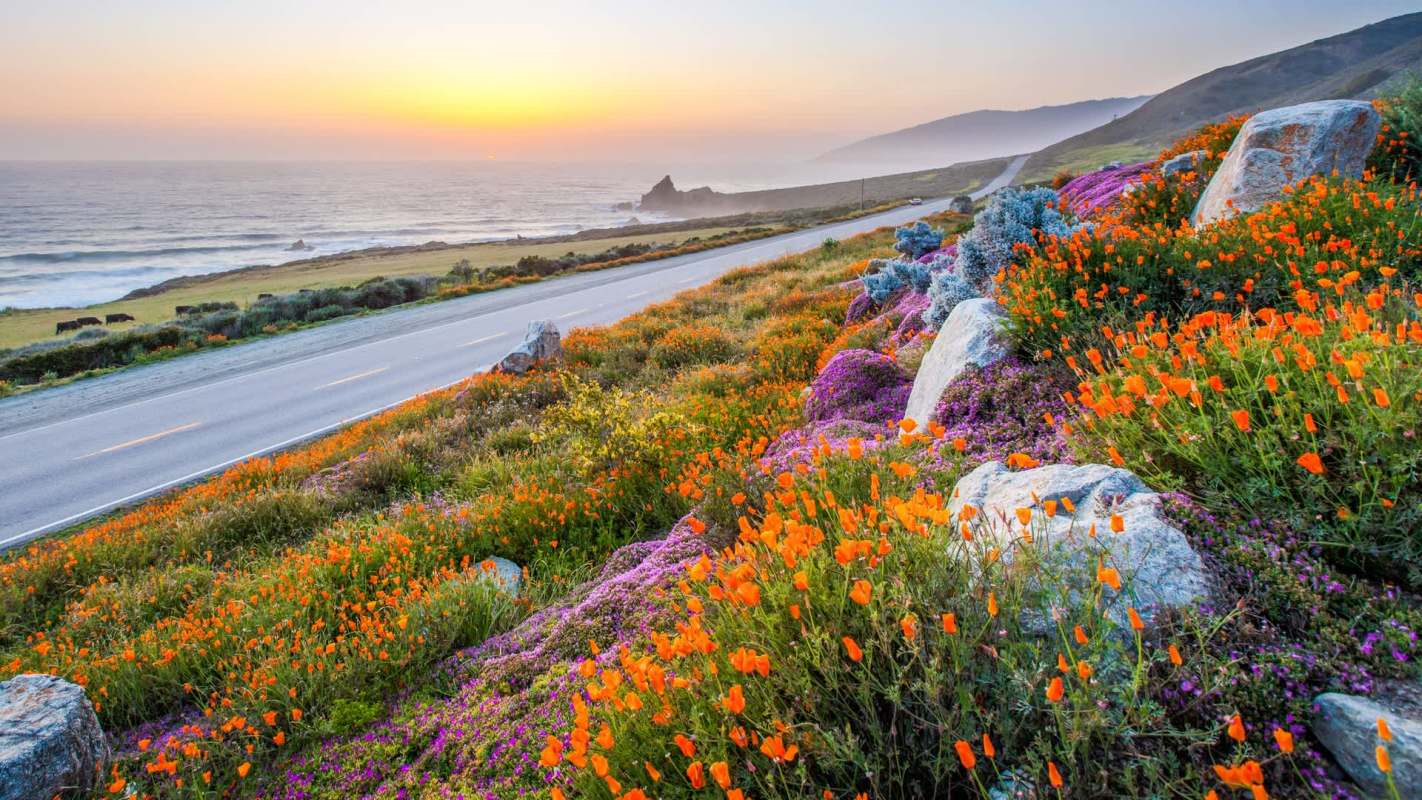
California is trying to restore balance by swapping out non-native plants for indigenous species, as reported by Alta.
"In urban landscapes, there is a surprising amount of pushback to native plants," Erica Spotswood, an ecologist and the director of science at Second Nature Ecology and Design, told Alta. "Any time you tell people what to do, you risk polarization."
Despite drought conditions and battles over water resources, a significant portion of California's water supply is allocated to maintaining non-native and invasive species.
Native species require far less water because they are acclimated to the climate and soil conditions. Rewilding areas with native plants and planting natural lawns use fewer resources and are easier to maintain.
According to Alta, less than 3% of Los Angeles' street trees are native.
The loss of native habitats and plants due to land development and rising global temperatures has put many native California species at risk, which, in turn, has put wild animals that rely on them for food and shelter at risk.
A study by the University of Delaware in 2018 reported that natural habitats need to consist of at least 70% native plants in order to attract enough insects to support native bird populations. Bird species reproduce less if that threshold is not met.
California has tried to pass legislation mandating native plants, but attempts have thus far been unsuccessful.
Individual cities have attempted to get landscapers to use native plants through planning and management of threatened species. San Diego, for example, is encouraging urban planting with at least 75% native species. Los Angeles has been divided into 16 separate ecosystems, with each one supporting its own native plant populations. These efforts are encouraging and show that broader change is possible.
Charles Miller, chair of the Los Angeles chapter of the Climate Reality Project, told Alta, "For the last 150 years we've been polluting the environment with non-native plants … a big chunk of residential water is going to water plants that don't have any business being here."
TCD Picks » Quince Spotlight
💡These best-sellers from Quince deliver affordable, sustainable luxury for all




|
What's the hardest thing about taking care of your yard? Click your choice to see results and speak your mind. |
 Mowing the lawn 🏡
Join our free newsletter for good news and useful tips, and don't miss this cool list of easy ways to help yourself while helping the planet.
Cool Picks






