


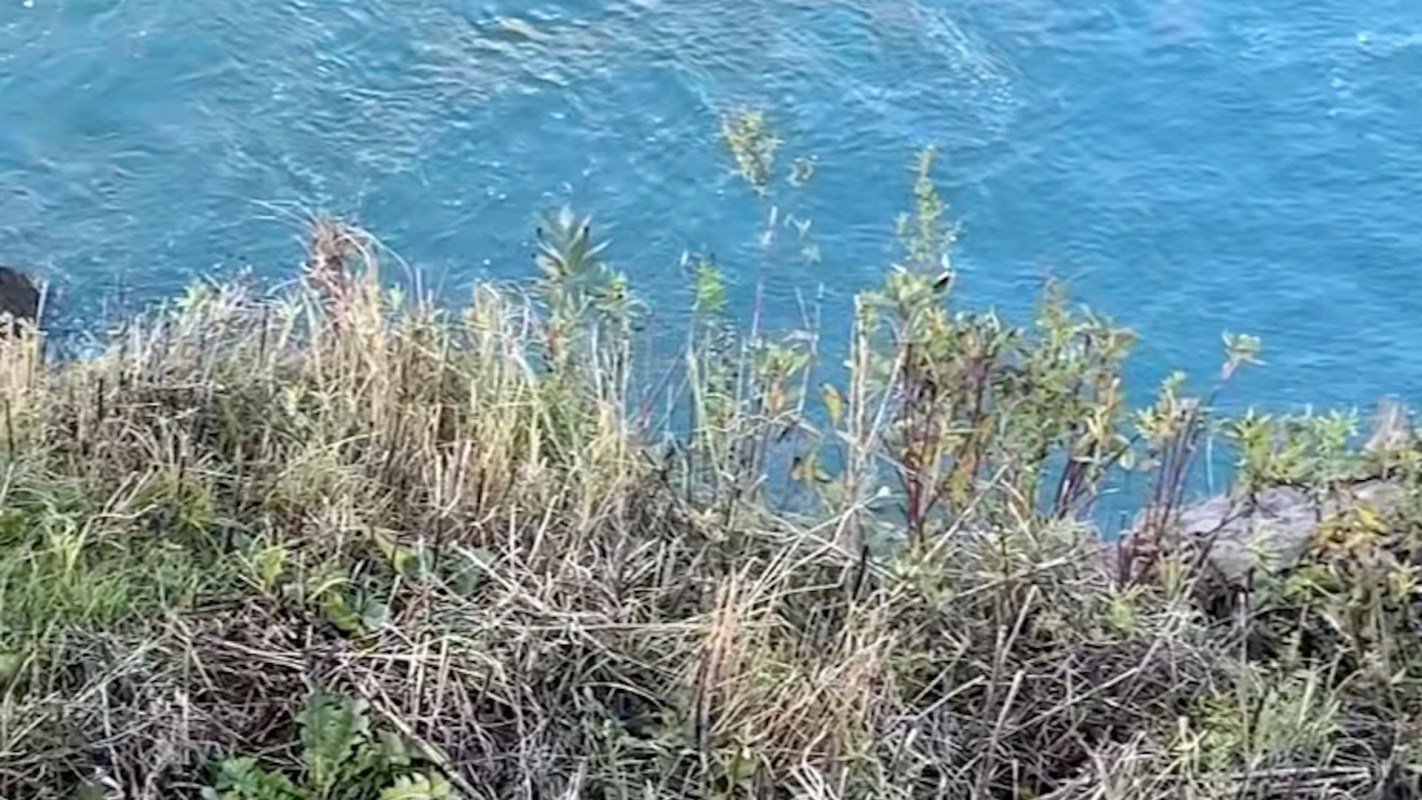
A short video from an environmentalist makes it easy to see that a trip to a national park can involve witnessing more than natural wonders and wildlife — when the stunning views are photobombed by trash.
"Please, let's stop littering everywhere, especially [in] national parks," the creator, operating under the handle Living Planet Friendly, wrote in the video caption.
The clip features waterfalls, mountains, and an abundance of vegetation from various national and state parks — but also scattered water bottles, a single-use plate, an errant face mask.
Some visitors, it appears, treat bushes and mountain cliffs as de facto trash cans. There's little excuse to do so since trash and recycling bins are typically available in such spaces.
"At every single park and main site to see, there's a beautiful view, but hundreds of pieces of trash — right there and just out of reach," the creator reflects. The comment also surfaces the danger park employees may face when trying to retrieve litter from more hazardous areas.
Improperly discarded waste is also dangerous to wildlife that may mistake trash for food or become trapped under or inside debris.
As one commenter noted, "Do not litter — it's food for fires and poison to wildlife, thank you."
As the New York Times reported in late August, cuts to the National Park Service by the current administration have included a reduction in visitor center hours, maintenance, and emergency services. With fewer rangers and less organized upkeep, it's even more imperative for visitors to be considerate and heed warnings about litter, getting too close to animals, and keeping pets on leashes.
When Yellowstone, the first national park, was established in 1872, followed by the National Park Service in 1916, these sites weren't meant to become any one person's or group's playground. Their purpose has been to protect cultural sites, nature, and wildlife from exploitation and destruction while fostering public access, education, and enjoyment.
Mistreating these public spaces is a notable concern and not just "a reflection of the 'me me me' culture of [the] USA," as one comment in response to the video expressed. Failure to respect these conservation areas can degrade essential ecosystems, imperil the animal residents and human visitors, and even pollute nearby communities, as contamination always has the potential to flow and spread.
TCD Picks » Quince Spotlight
💡These best-sellers from Quince deliver affordable, sustainable luxury for all




Living Planet Friendly ends the video with some solid advice: "While we're at it, let's stop littering everywhere else too."
|
Should we be creating robots that act like living beings? Click your choice to see results and speak your mind. |
 No way 🙅
Join our free newsletter for good news and useful tips, and don't miss this cool list of easy ways to help yourself while helping the planet.
Cool Picks






